Bitcoin Rallies on U.S.-Iran Ceasefire Hopes—But Ceasefire Reports Keep Getting Debunked — SkimNews
Get the Finance newsletter
Daily finance — markets, central banks, M&A, the prints that move money. Free.
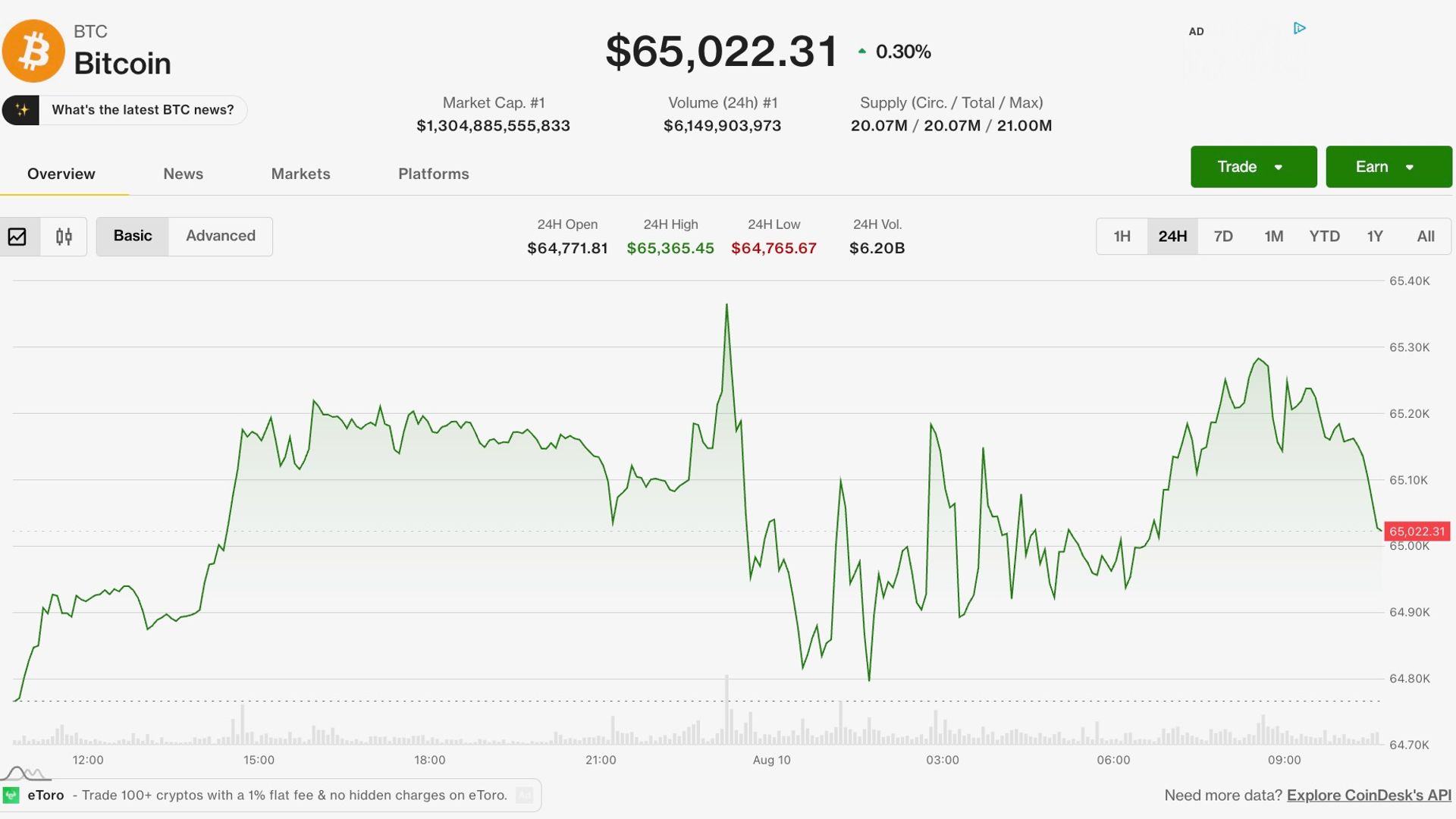
- Bitcoin gained 3.56% to $69,805.19 since Friday's 4 p.m. ET close, with the rally reinforced by bullish futures-market signals, a continued decline in the 30-day implied volatility index, and a 0.8% rise in Nasdaq 100 futures.
- Recent ceasefire headlines citing unidentified sources have proven unreliable, often being debunked or outright rejected by Iran, raising the risk that markets could quickly reverse if the pattern repeats.
- Michael Saylor and Strategy, the world's largest publicly listed bitcoin holder with 762,099 BTC, hinted at another purchase, underscoring continued long-term accumulation despite the rally's fragility.
- Saudi Aramco raised its flagship Arab Light crude price for May Asia-bound shipments to a record-high premium of $19.50 over Middle Eastern benchmarks, per Bloomberg, injecting further inflationary pressure into the global economy.
- WTI oil's 12-month rate of change stands at 92%, and historically a move to 100% has coincided with stock market collapses, according to commodity analyst Jack Prandelli—a signal Prandelli said preceded every major crash since 1987.
- OPEC agreed to increase oil output quotas by 206,000 barrels per day for May in a symbolic effort to relieve energy-market stress, but the gesture did not prevent the Saudi price hike.
- The ceasefire push is being described as a last-ditch effort to prevent the 'massive strikes on Iranian civilian infrastructure' that President Donald Trump threatened over the weekend, and it remains unclear whether any U.S.-Iran deal would be binding on Israel.
Why it matters: The Bitcoin rally hinges almost entirely on a U.S.-Iran ceasefire holding, but ceasefire reports citing anonymous sources have repeatedly been rejected by Tehran—and even a binding deal may not constrain Israel, limiting the durability of the risk-on move. Compounding the risk, oil's 12-month price change is at 92% and approaching the 100% threshold that has preceded every major stock market crash since 1987, with Saudi Aramco already pricing crude at a record premium. Traders betting on continued upside face a thin margin between a confirmed peace deal and a fast reversal.
Ask SkimNews