Kalmar, Elonroad test in-road charging for port EVs — SkimNews
Get the Energy newsletter
Daily energy & climate — solar, EVs, oil, the policy fights and tech bets shaping the transition. Free.
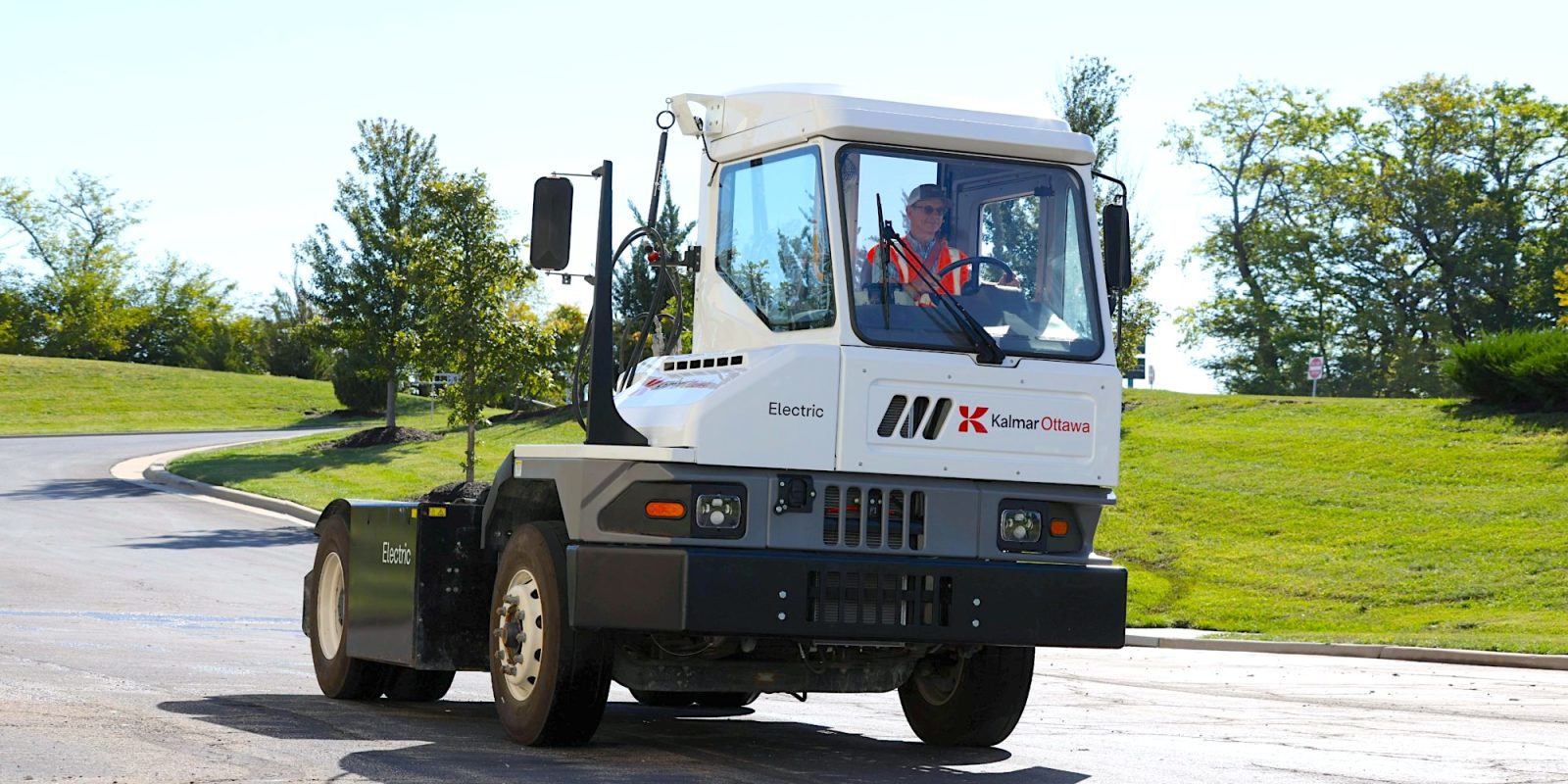
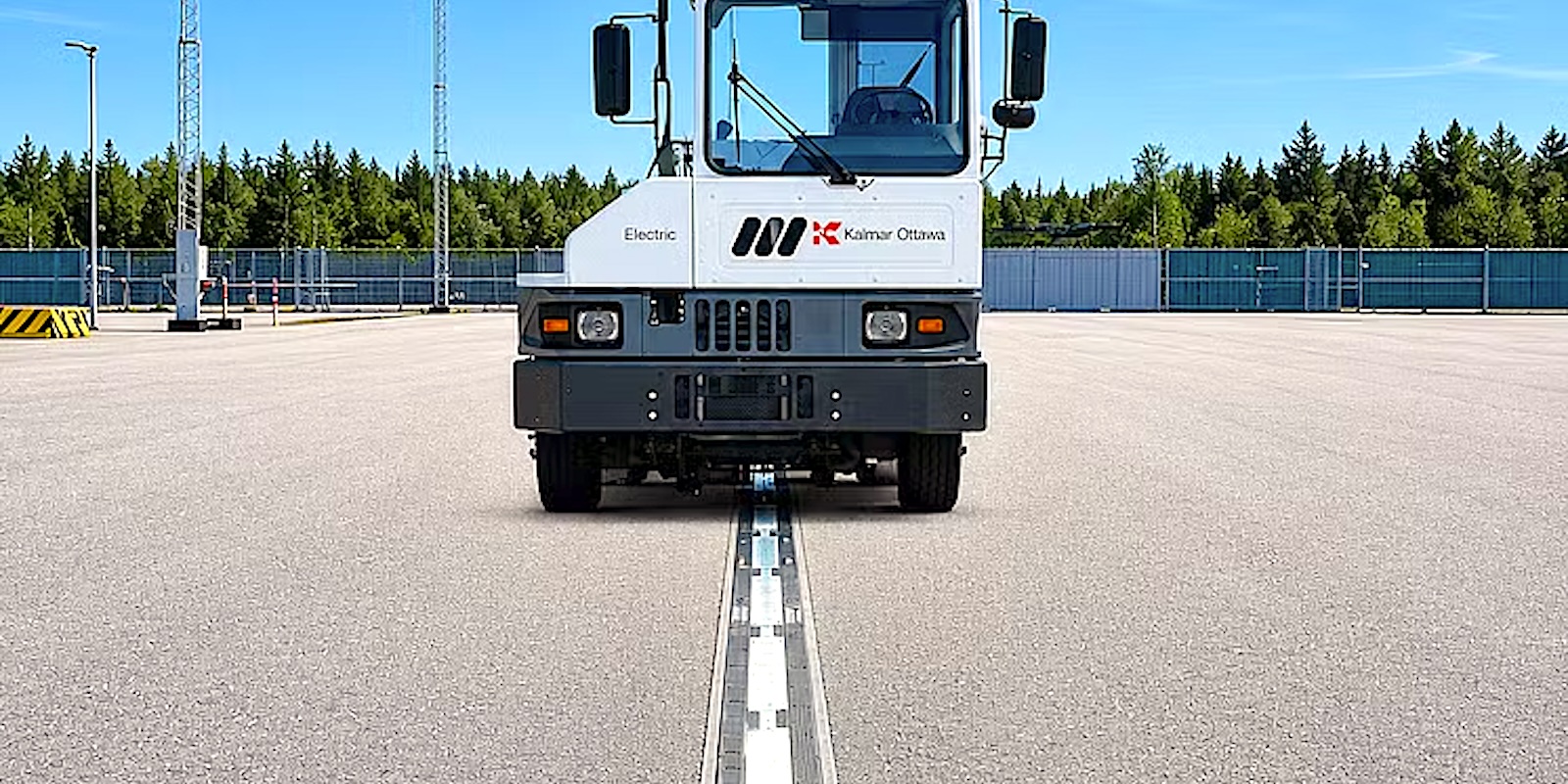
- Kalmar deployed an Ottawa T2 EV electric terminal tractor on Elonroad's in-road charging system in Ljungby, Sweden, enabling continuous operation without ever needing to be plugged in.
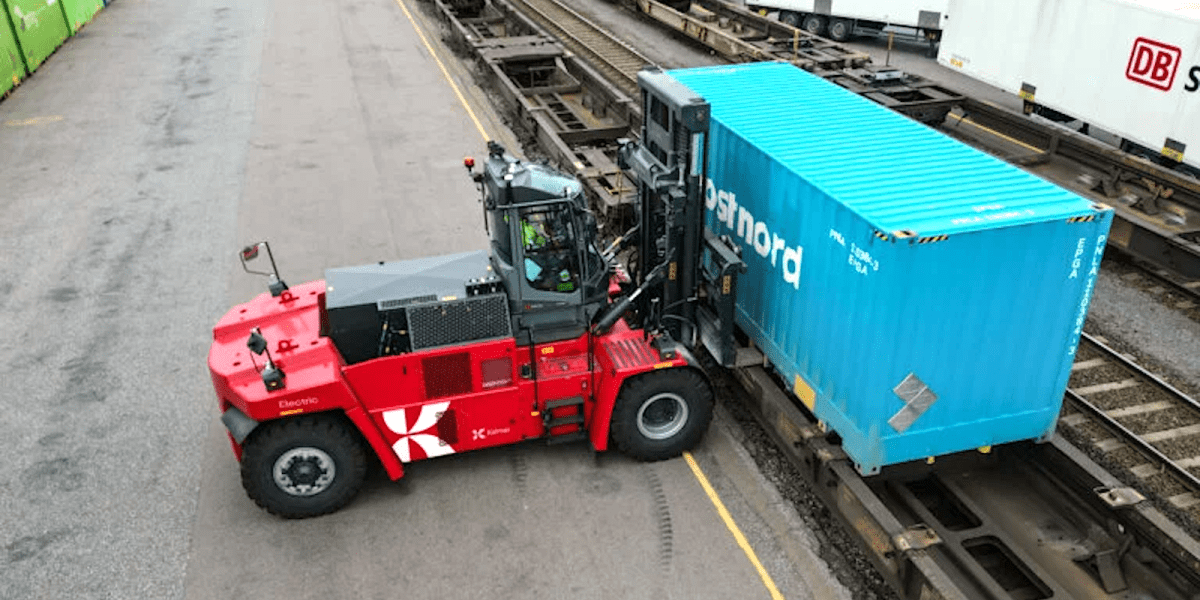
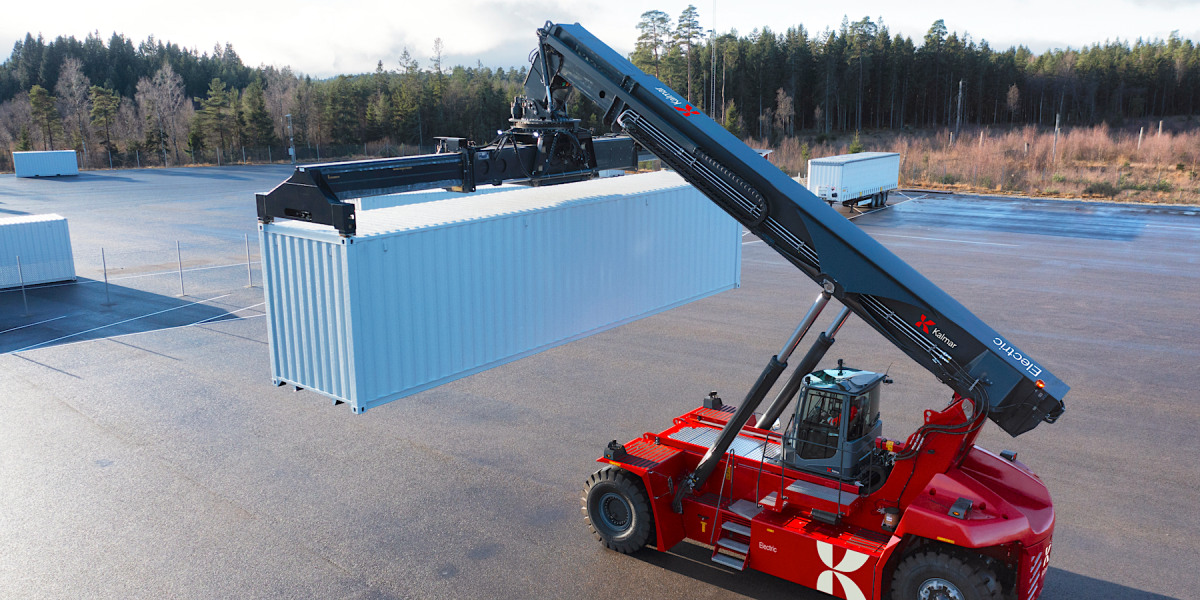
- Elonroad's conductive rail sends power through a physical contact to electric terminal trucks, forklifts, and material handlers, slot-car style, and combined with regenerative braking delivers enough energy to keep trucks running continuously.
- Per-Erik Johansson, Kalmar's Technology Manager for Electrification, framed the goal as offering customers a "worry-free charging solution" with "effectively unlimited onboard energy for continuous operations."
- Just 200 meters of electrified road — roughly an eighth of a mile — is enough to keep port vehicles running at the Ljungby facility, charging them both when moving and when standing still.
- Following the Ljungby verification phase, the technology will be tested in a real-life port environment with pilot customers to assess charging efficiency and uptime improvements.
- The joint Elonroad/Kalmar project is funded by the Swedish Energy Agency and aims to identify suitable vehicles for conductive charging during operation at port facilities.
Why it matters: Terminal tractors are among the most diesel-dependent vehicles in global logistics, and the industry's standard objection to electrification has been that plug-in charging can't match diesel's around-the-clock uptime. A 200-meter conductive strip that delivers continuous power to port equipment while moving or idle directly answers that objection — and if the upcoming real-port pilot succeeds, it gives fleet operators a concrete template for converting one of logistics' dirtiest vehicle categories to electric.
Ask SkimNews