Trump Resumes Iran Strikes With No Exit Strategy — SkimNews

Get the Geopolitics newsletter
Daily geopolitics — wars, elections, sanctions, the diplomatic moves that move markets. Free.
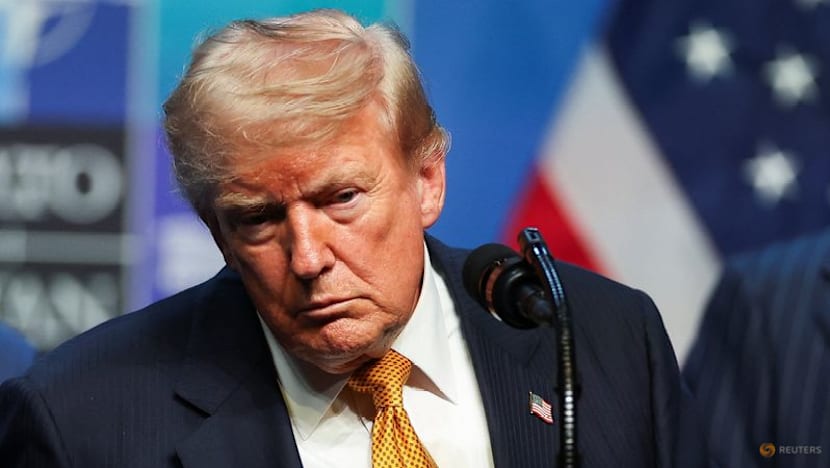
- Trump declared the June US-Iran ceasefire "over" on July 8, ordering intensive airstrikes and reimposing an economic blockade of Iran.
- Trump has recycled earlier-war threats to seize Iran's Kharg Island — which hosts most of the country's oil refining capacity — and to strike civilian targets.
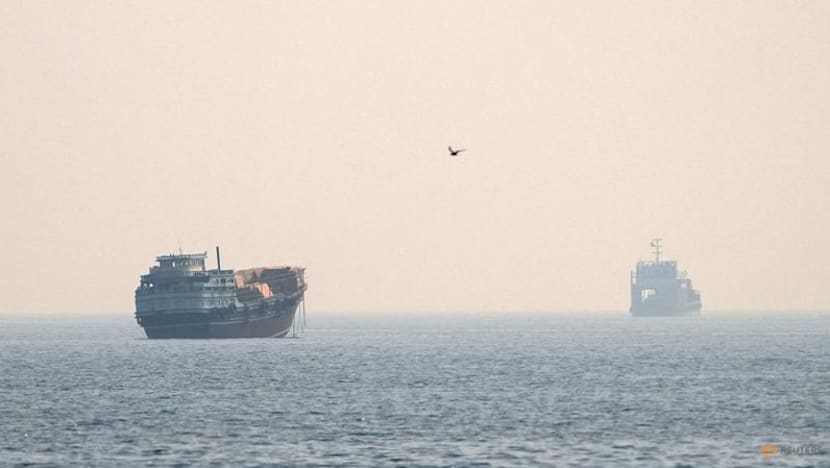
- The conflict's center of gravity has shifted from nuclear capabilities to Strait of Hormuz transit rights, with Iran's chief negotiator Mohammad Bagher Ghalibaf insisting ships will only pass under "Iranian arrangements."
- Iran can continue menacing shipping using missiles, drones, and fast boats that the CIA assesses remain in healthy supply, and stopping them would require the US to seize a vast swathe of Iranian territory.
- Mohsen Rezaee, adviser to Iranian Supreme Leader Mojtaba Khamenei, called Iran's strait influence "more important than dozens of nuclear bombs."
- The blockade requires a permanent US military deployment competing with European and Indo-Pacific missions; once lifted, Iran is geographically positioned to immediately resume threatening shipping.
- Economic pain cuts both ways: while the blockade is in place, Iran will not allow oil and gas to transit the strait, raising global energy prices in a manner the source flags as politically perilous for Trump.
Why it matters: Trump's escalation closes off his own options rather than expanding them. The blockade is the only sustained economic lever he has against Iran, but enforcing it permanently diverts US forces from Europe and the Indo-Pacific, and keeping it in place keeps Iranian oil off the global market — a cost the article says is politically dangerous for Trump at home.
Ask SkimNews