US launches new Iran strikes, reimposes naval blockade — SkimNews
Get the Geopolitics newsletter
Daily geopolitics — wars, elections, sanctions, the diplomatic moves that move markets. Free.
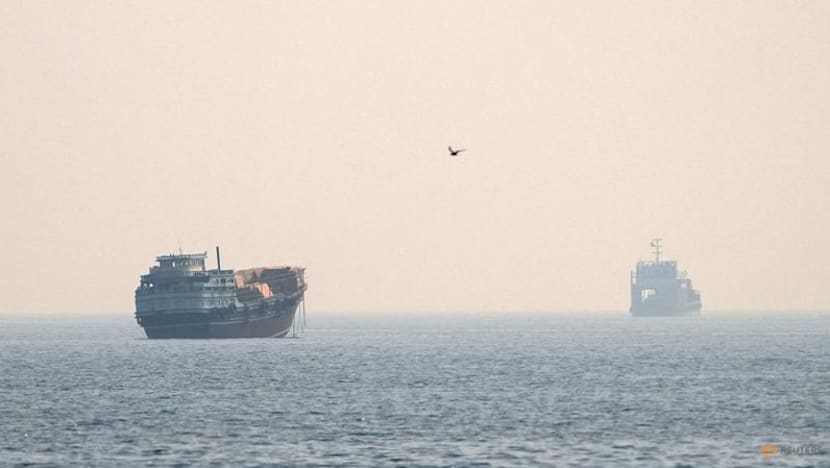
- CENTCOM carried out strikes against Iran for a fourth consecutive day on July 14 targeting capabilities used to attack commercial shipping in the Strait of Hormuz, and reimposed a naval blockade on Iranian ports effective 8pm GMT with more than 20 US Navy warships deployed
- Trump threatened to expand US strikes next week to target Iranian power plants and bridges unless Tehran agrees to a deal, telling Fox News the campaign would continue "until I say it's enough," and confirming US representatives held talks with Iran on Tuesday
- Trump scrapped his planned 20% "United States Reimbursement Fee" on Strait of Hormuz shipping, replacing it with trade and investment deals from Gulf states, after Gulf countries agreed to make major US investments
- Iran struck two ships in the Strait of Hormuz killing two crew members per the International Maritime Organization, hit a Kuwaiti naval vessel wounding four crew, and Iran's Revolutionary Guards fired missiles and drones at Bahrain targeting a residential building for US forces
- Jordan shot down four Iranian missiles after Iran's Revolutionary Guards announced strikes on US forces at a Jordanian air base and urged Jordanians to demand removal of American bases
- A senior Iranian official said the reimposed blockade "wrecked" a deal struck with Washington to pause the conflict and allow peace talks, and Netanyahu warned from Dimona that Israel would deliver "a decisive blow" if Iran attacked
- Renewed US attacks since last week have killed at least 28 people in Iran, according to an AFP tally based on Iranian media
Why it matters: The reimposed blockade and Trump's threat to target Iran's power plants and bridges collapse the June ceasefire framework, with a senior Iranian official declaring the move 'wrecked' peace-talks arrangements. Iran's retaliatory strikes on Bahrain, Kuwait, and Jordan are dragging Gulf partners into the conflict directly, while at least 28 Iranians have died since renewed attacks began last week.
Ask SkimNews