Myanmar's War Drives Workers Into Deadly Rare Earth Mines — SkimNews
Get the Energy newsletter
Daily energy & climate — solar, EVs, oil, the policy fights and tech bets shaping the transition. Free.
- Myanmar's civil war is pushing desperate young men like "Min" into rare earth mines in ethnic-army-controlled border regions, where workers earn roughly 3,000 yuan ($430) per month after paying 2,000 yuan ($290) to brokers for placement, according to the source.
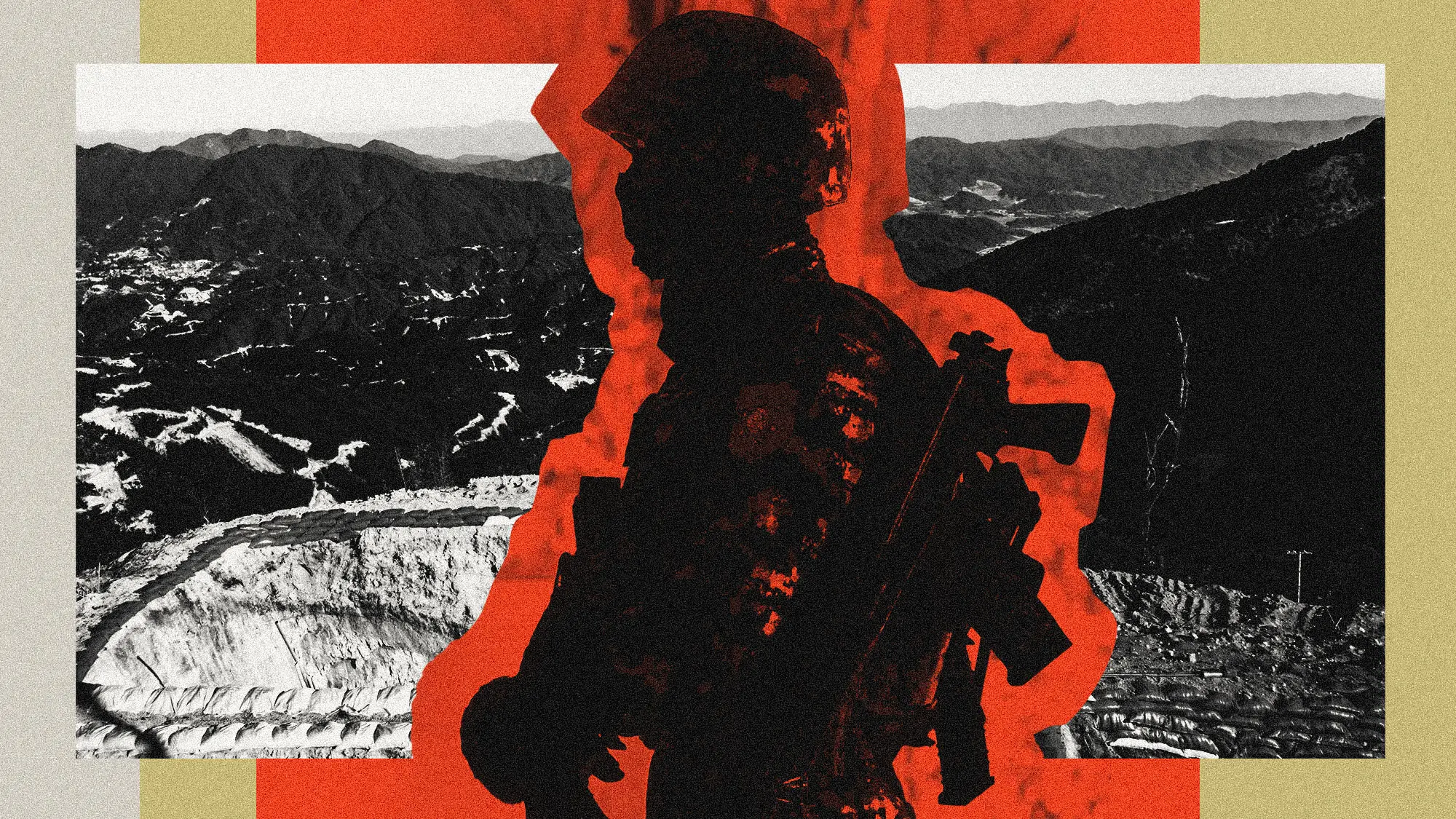
- Rare earth mining in Myanmar is deadly: local media have documented at least five fatal landslides at mining sites in recent years, and the industry has poisoned rivers, stripped forests of wildlife, and rendered farmland unsellable, the source reports.
- China imported more than 320,000 tons of rare earths from Myanmar between 2017 and 2024, roughly two-thirds of its total imports, making Myanmar the world's largest source of heavy rare earths (dysprosium and terbium) used in NdFeB magnets for EVs and wind turbines since 2021, per Global Witness.
- Chinese companies extract rare earths in autonomous regions protected by ethnic armies like the United Wa State Army that maintain ceasefires with Myanmar's military; in May, a human rights group found one Chinese firm in Shan State using prisoners and trafficking victims for "slave labor," with both the military and UWSA complicit.
- China, which holds more than 90 percent of global rare earth processing capacity, began restricting heavy rare earth exports last year in response to U.S. tariffs, intensifying a global scramble for alternative sources, the source states.
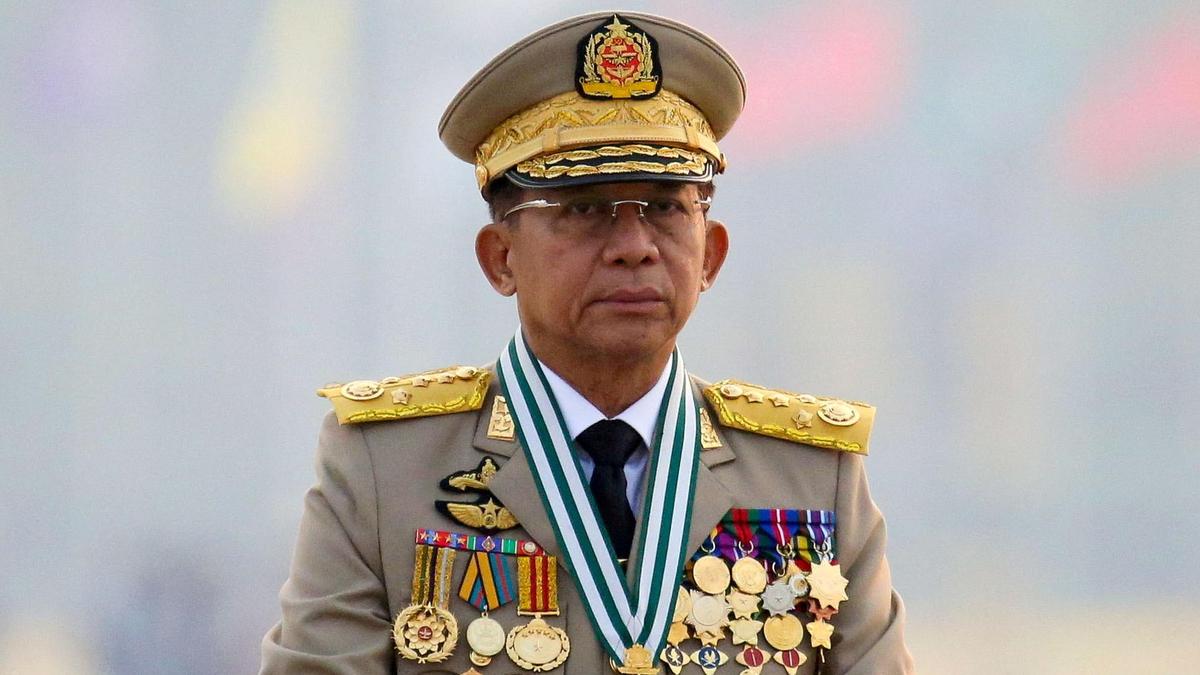
- The Trump administration signed a rare earth cooperation deal with India in May 2026; Myanmar's junta had hired Roger Stone in April to lobby Washington, and junta leader Min Aung Hlaing visited India days after the deal to discuss rare earth cooperation with Prime Minister Narendra Modi.
Why it matters: China's rare earth export curbs have intensified a global scramble for Myanmar's heavy rare earths — which now account for roughly two-thirds of China's imports and are critical for EV and wind turbine magnets. Extraction relies on documented slave labor and conscription-driven desperate workers, deepening financial incentives for ethnic armies to profit from the world's longest civil war while the U.S. and India court Myanmar's junta.
Ask SkimNews