Putin Admits Fuel Deficit as Ukraine Hits Two

Get the Energy newsletter
Daily energy & climate — solar, EVs, oil, the policy fights and tech bets shaping the transition. Free.
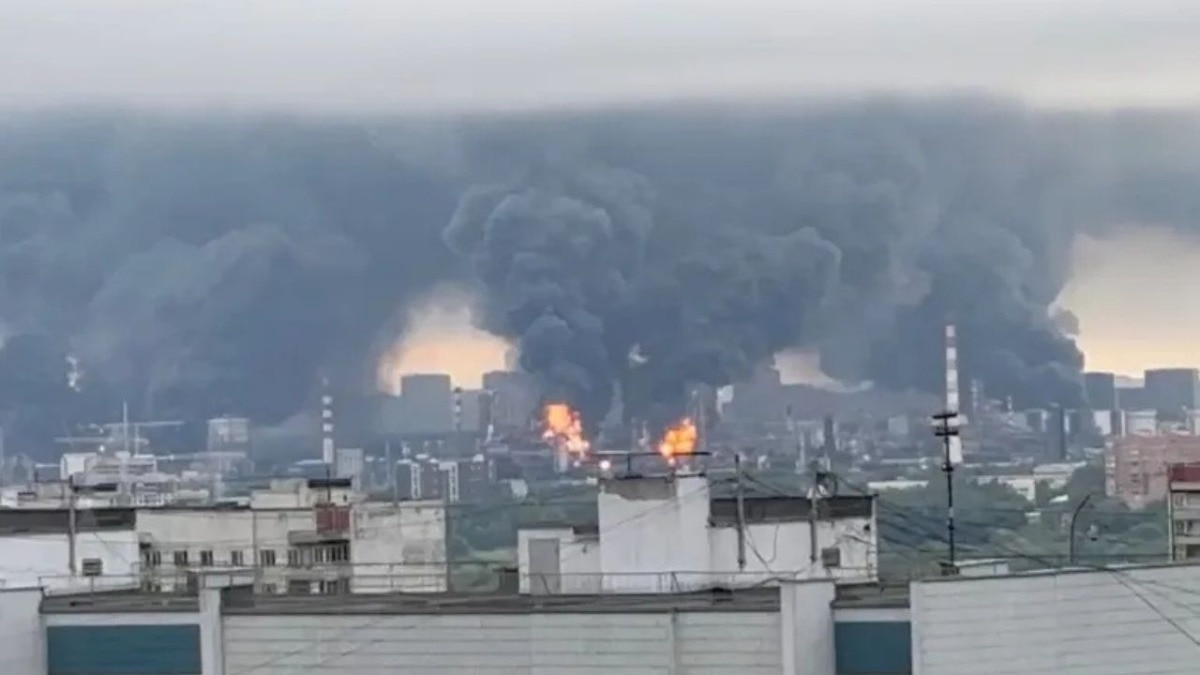
- Ukraine struck two Russian oil refineries overnight — the Slavyansk-na-Kubani facility in Krasnodar (nearly 4 million tonnes/year capacity, a Black Sea export hub) and one in Yaroslavl region, ~700 km from the border, with debris from downed drones killing one person at the Krasnodar site
- Putin admitted Russia faces a 'certain deficit' of fuel for the first time, announcing increased fuel imports, higher output, faster repair work at damaged facilities, and expanded air-defense production to counter the drone campaign
- Putin disclosed that Ukraine had proposed halting long-range strikes and confining fighting to the four annexed regions (Donetsk, Luhansk, Kherson, Zaporizhzhia), calling the offer an attempt to 'create conditions for launching a negotiation process on terms advantageous to our adversary' — a proposal he rejected
- Russia's Irkutsk region capped fuel purchases at 50 liters per vehicle per day at Rosneft stations, while Kremlin-installed officials in Crimea suspended civilian petrol sales entirely after attacks on supply routes triggered what the source called the peninsula's worst energy crisis since annexation
- Russia's Defence Ministry reported shooting down 213 Ukrainian drones overnight over Russia, occupied Crimea, and the Black and Azov seas; Ukraine's air force said it intercepted 125 of 142 Russian drones and 7 of 8 missiles in the same period
- Russia continued striking back, with an aerial bomb killing two people and injuring 16 (including two children) in Zaporizhzhia, while Ukrainian drone strikes killed one person in Russia's Belgorod border region
Why it matters: Putin's first public acknowledgement of a fuel shortfall signals the drone campaign is squeezing domestic Russian energy supply, forcing rationing in Siberia and a Crimea sales suspension. Simultaneously, his disclosure that Kyiv offered to halt deep strikes in exchange for confining fighting to four annexed regions introduces a concrete — and rejected — peace-offert track buried in what most outlets are framing purely as an escalation story.