Russia Imports Petrol From India Amid Fuel Crisis
Get the Geopolitics newsletter
Daily geopolitics — wars, elections, sanctions, the diplomatic moves that move markets. Free.
- Russia has started receiving petrol shipments from India, with at least 60,000 metric tons dispatched and two tankers carrying 30,000–40,000 tons each sent by sea, according to Reuters sources.
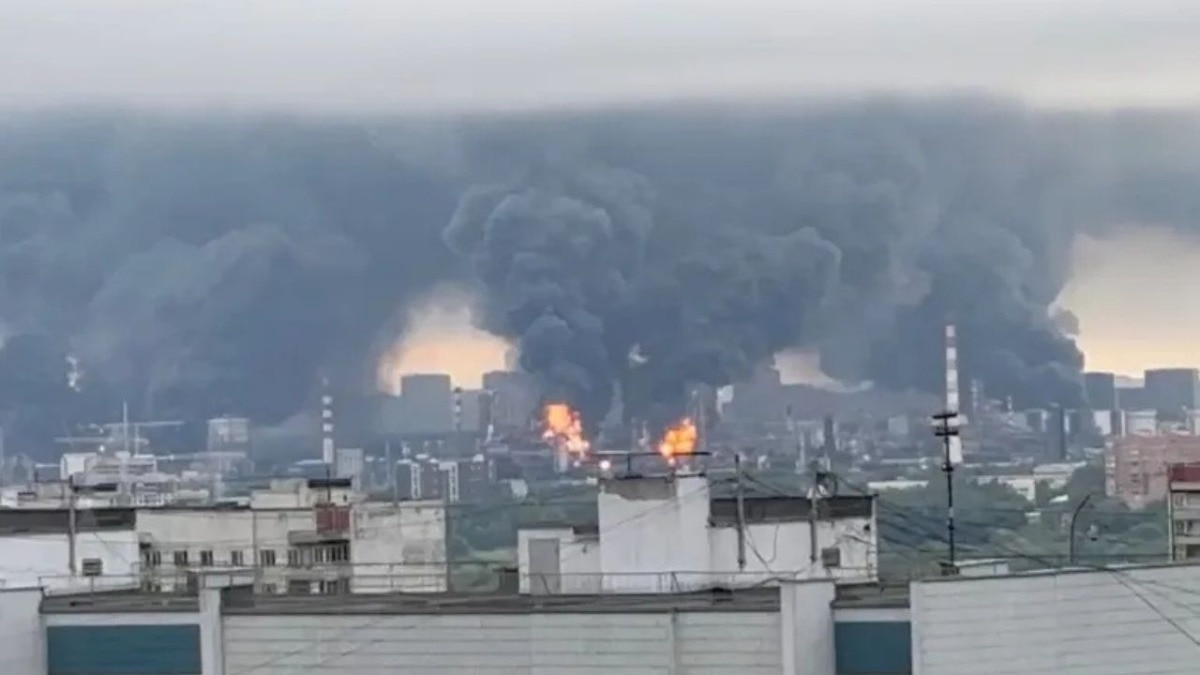
- Fuel shortages have spread across Russia's 11 time zones, prompting rationing, long filling-station queues, and record petrol price increases; Moscow plans to import up to 400,000 metric tons monthly from several countries until domestic supplies recover.
- Belarus nearly tripled its rail shipments of petrol to Russia in the first half of June, delivering more than 70,000 metric tons, as Russia's parliament approved tax-code amendments to subsidize imported fuel including delivery costs from India.
- Putin acknowledged that Ukrainian attacks have created fuel shortages in several regions but insisted the strikes 'absolutely do not affect the situation on the front' and called for rapid expansion of air defences.
- India's Russian crude imports surged to a record ~2.7 million barrels per day in June, with Russian oil accounting for over half of India's crude imports — up from 36.5% in May — after Strait of Hormuz disruptions pushed Indian refiners toward discounted Russian barrels.
- Putin rejected Ukrainian President Volodymyr Zelenskyy's proposal to limit long-range strikes and a proposed face-to-face meeting, saying Russia would continue pursuing full control over four Ukrainian regions it claims.
- Daily Russian petrol consumption exceeds 110,000 metric tons during peak summer demand, underscoring the scale of the supply gap that triggered the import pivot.
Why it matters: An energy superpower now buying petrol abroad is a direct, measurable consequence of Ukraine's refinery-strike campaign — and it lands even as Putin publicly denies those strikes affect his military operations. For India, the deal deepens its own dependency: Russian crude already supplies over half of its imports, meaning New Delhi is now propping up Russia's domestic fuel market while becoming structurally reliant on Moscow for crude.