Hormuz attacks intensify as Iran-US war talks stall — SkimNews

Get the Geopolitics newsletter
Daily geopolitics — wars, elections, sanctions, the diplomatic moves that move markets. Free.
- IRGC Navy warned oil tankers ignoring the 'security and rules' of the Strait of Hormuz face the fate of a crude oil supertanker that hit a naval mine and caught fire Saturday night while using an unauthorized route with navigation systems turned off.
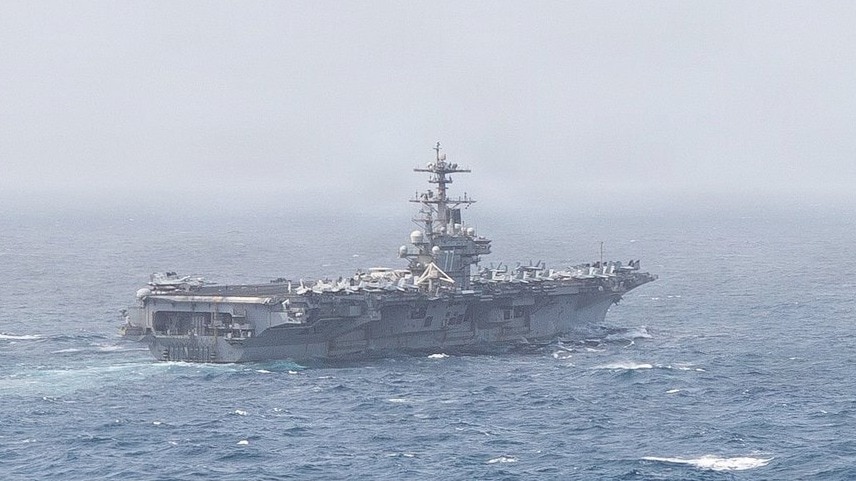
- US CENTCOM released footage of a fighter jet bombing the stern of a Panama-flagged cargo vessel in the Gulf of Oman to enforce its naval blockade of Iran's southern ports.
- Since the US reimposed the blockade in mid-July, CENTCOM has disabled four commercial vessels, turned around 135 ships, and destroyed 10 tankers linked to Iran, with Washington claiming Tehran has exported no oil through the blockade line.
- At least a dozen ships were attacked in the week ending October 5 — the highest since the war began — including one hit off Qatar's coast; Kpler data showed average crude through the strait fell to 8.5 million barrels per day, roughly 40% below normal.
- Iran is demanding a return to a collapsed June memorandum of understanding and US backing of an already-finalized Iran-Oman deal for coordinated strait transit routes, with no breakthrough expected before the November 3 US midterm vote.
- VP JD Vance signaled a potential easing of the US zero-enrichment demand, saying Iran must make a 'meaningful' reduction in nuclear enrichment capacity; Iran's nuclear chief Mohammad Eslami countered that 'the achievements of our indigenous nuclear industry cannot be stopped.'
Why it matters: Energy flows through the Strait of Hormuz — one-fifth of global oil and gas — have dropped 40% below normal to 8.5 million barrels per day as weekly ship attacks hit their highest count since the war began, and with no diplomatic breakthrough expected before the November 3 midterm, both sides appear to be hardening positions rather than de-escalating.
Ask SkimNews