Trump's war of words with Merz strains US-German ties — SkimNews

Get the Geopolitics newsletter
Daily geopolitics — wars, elections, sanctions, the diplomatic moves that move markets. Free.
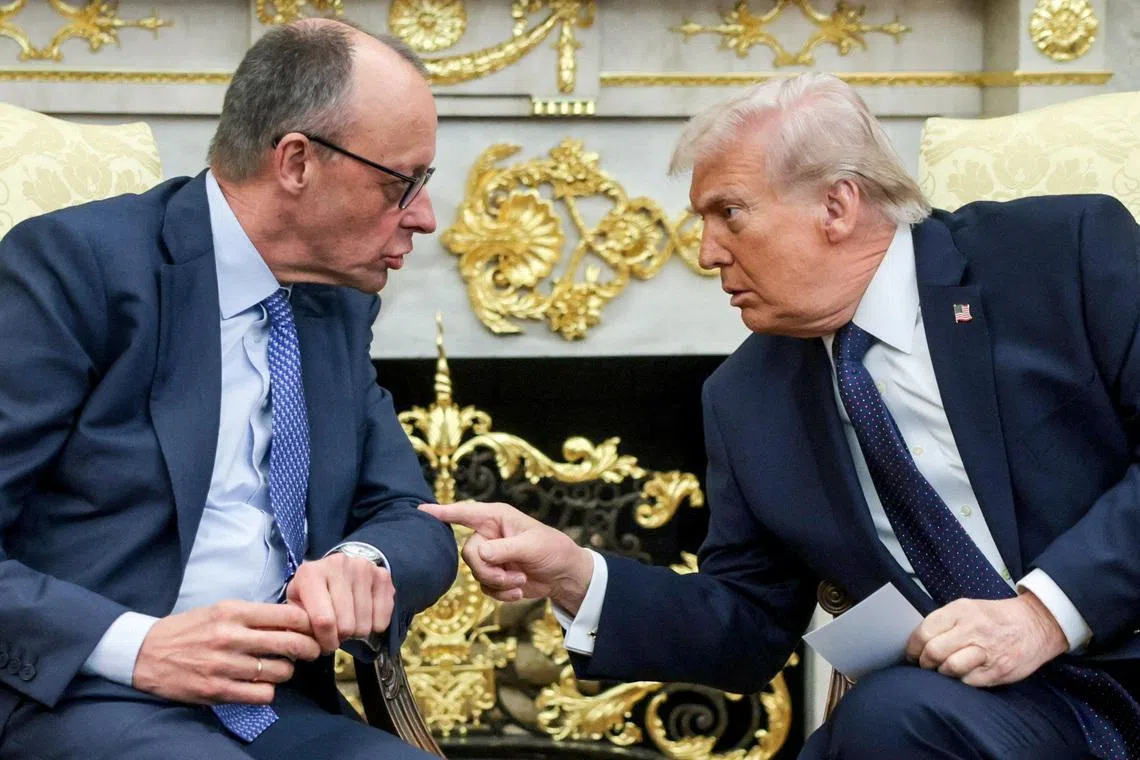
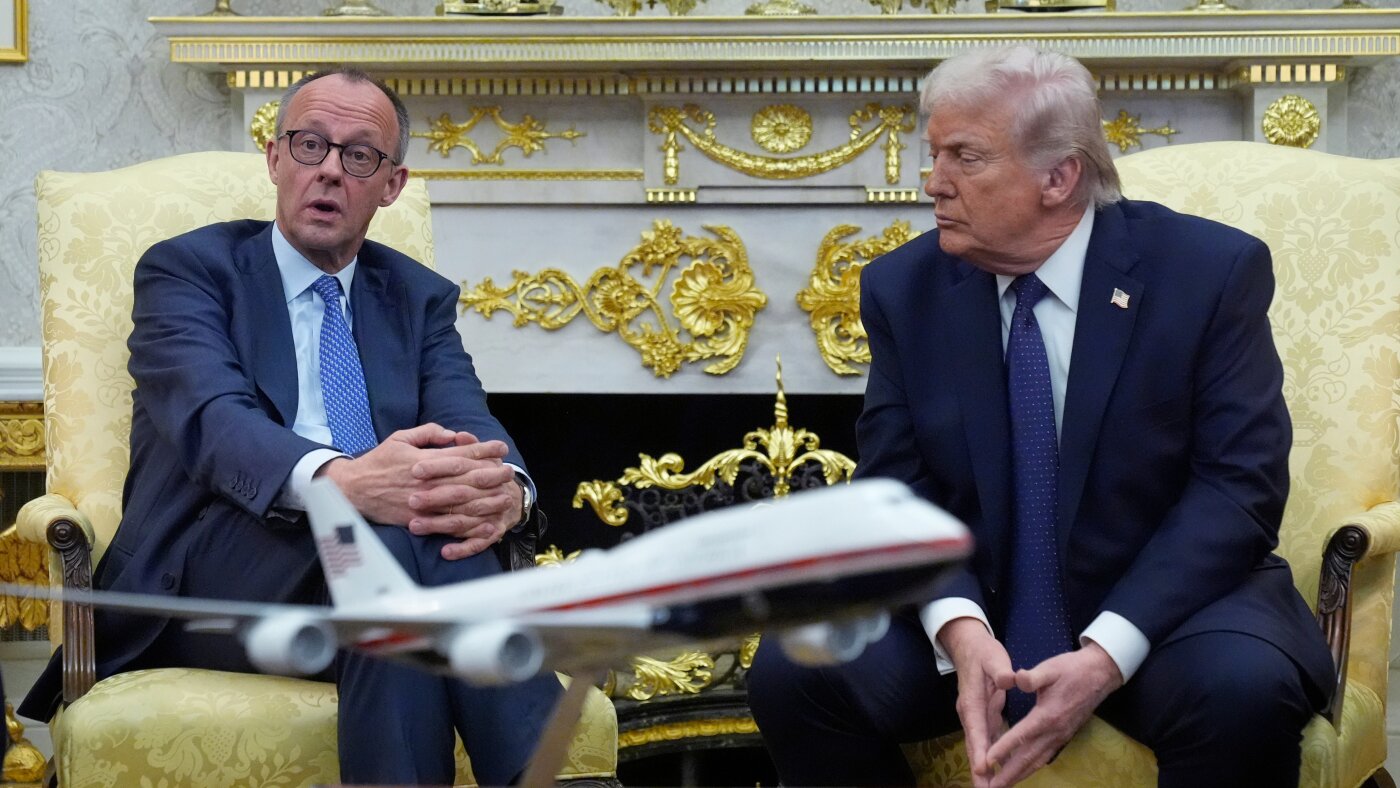
- Trump has repeatedly attacked German Chancellor Friedrich Merz for comments about the U.S. role in the Iran war, targeting a leader who had cultivated a close relationship and a country considered one of America's strongest allies.
- Merz told students in Marsberg, Germany that Iranians are 'very skillful at not negotiating, letting the Americans travel to Islamabad and then leave again without any result,' and that an entire nation is 'being humiliated' by Iran's Revolutionary Guards.
- Trump fired back on social media, claiming Merz thinks Iran 'should be able to have a nuclear weapon' and that he should be 'fixing his broken Country' rather than weighing in on the Iran war.
- Merz said Wednesday his relationship with Trump 'remains good' while reiterating he 'had doubts from the start about what was begun with the war in Iran' and pointing to its economic toll through the Strait of Hormuz blockade.
- The Strait of Hormuz once carried roughly one-fifth of the world's oil supply; its closure has driven up energy costs and hit Germany's economy particularly hard given Europe's dependence on oil routed through the passage.
- Atlantic Council's Jörn Fleck said Merz 'let his guard down' by speaking in a 'supposedly private setting' and 'undercut a lot of progress' he had made personally in stabilizing US-Germany relations.
- The Iran war is unpopular in Europe, is dragging on Trump's domestic popularity, and is creating a midterm-year conundrum for Republicans as voters grow anxious about the economy.
Why it matters: The spat exposes a structural divide: Europe is bearing the energy costs of a war it did not back, with the Strait of Hormuz closure — once carrying roughly one-fifth of global oil — driving up prices and hitting Germany's economy harder than America's. Merz's 'humiliation' remarks echoed what multiple European leaders privately feel, and Trump's public retaliation is now likely to harden that gap ahead of G7 meetings and U.S. midterms.
Ask SkimNews