S. Korea: N. Korea Mines Violated Armistice in DMZ Blast — SkimNews

Get the Geopolitics newsletter
Daily geopolitics — wars, elections, sanctions, the diplomatic moves that move markets. Free.
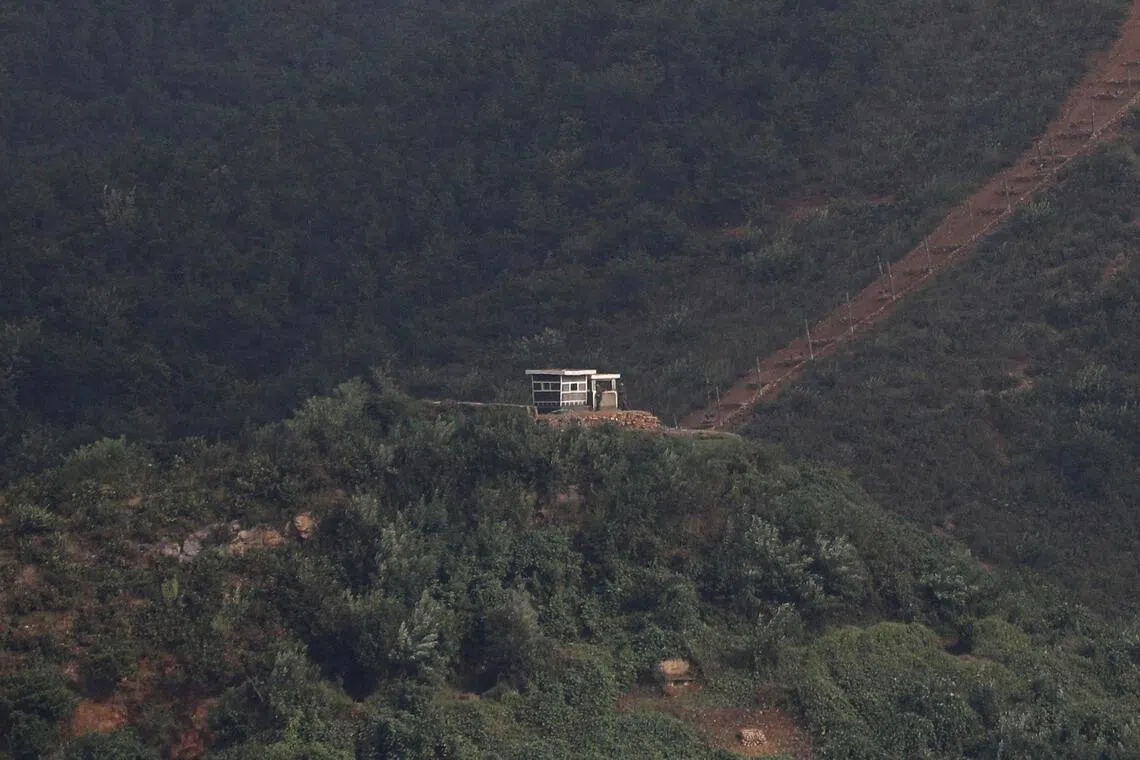
- South Korea's Defence Minister Kang Shin-chul told a parliamentary committee on Sept 29 that North Korean mines caused a Sept 21 blast in the DMZ that injured two South Korean personnel, calling it a violation of the Korean War armistice and announcing staged military response measures.
- Seoul said it would 'strongly urge' North Korea to come to the table to verify the facts, while a member of the Joint Chiefs of Staff confirmed the military had response options it would implement in stages without elaborating.
- A Joint Chiefs of Staff probe with the UN Command found an additional North Korean resin anti-personnel mine near the blast site, with the mines clearly south of the Military Demarcation Line and not having drifted into the area.
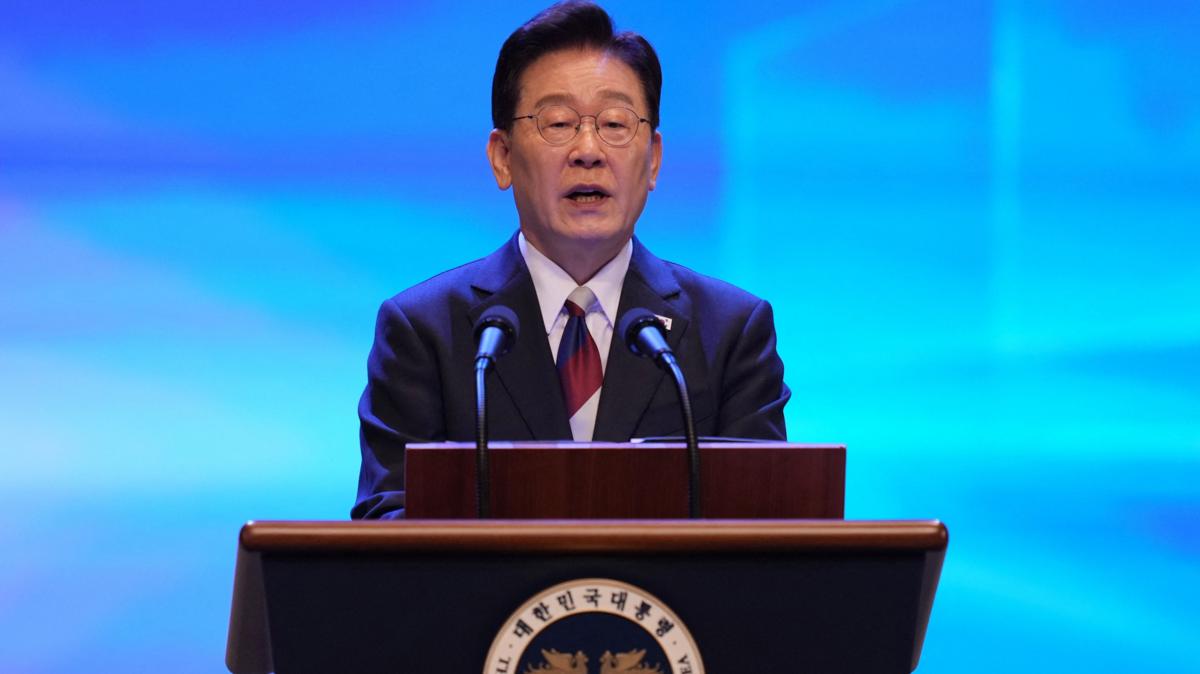
- The incident complicates President Lee Jae Myung's efforts to draw Pyongyang back to dialogue after North Korea declared the South an enemy state and abandoned its reunification goal, though Korea Institute for National Unification analyst Cho Han-bum said Seoul was unlikely to drop its peace policy altogether.
- North Korean state media has not commented on the incident, and its UN mission and embassies in Beijing and Singapore did not immediately respond to e-mailed requests for comment.
Why it matters: The blast gives Seoul both a concrete armistice violation to justify staged countermeasures and a diplomatic opening to demand direct verification talks with Pyongyang — a test of President Lee Jae Myung's peace policy just weeks after North Korea declared the South an enemy state. The 2015 precedent matters: a nearly identical mine injury that year triggered Seoul's loudspeaker broadcasts, a military standoff, and ultimately a high-level inter-Korean agreement once Pyongyang came to the table.
Ask SkimNews