Ontario Wildfires Send Toronto Air to World's Worst — SkimNews
Get the Energy newsletter
Daily energy & climate — solar, EVs, oil, the policy fights and tech bets shaping the transition. Free.
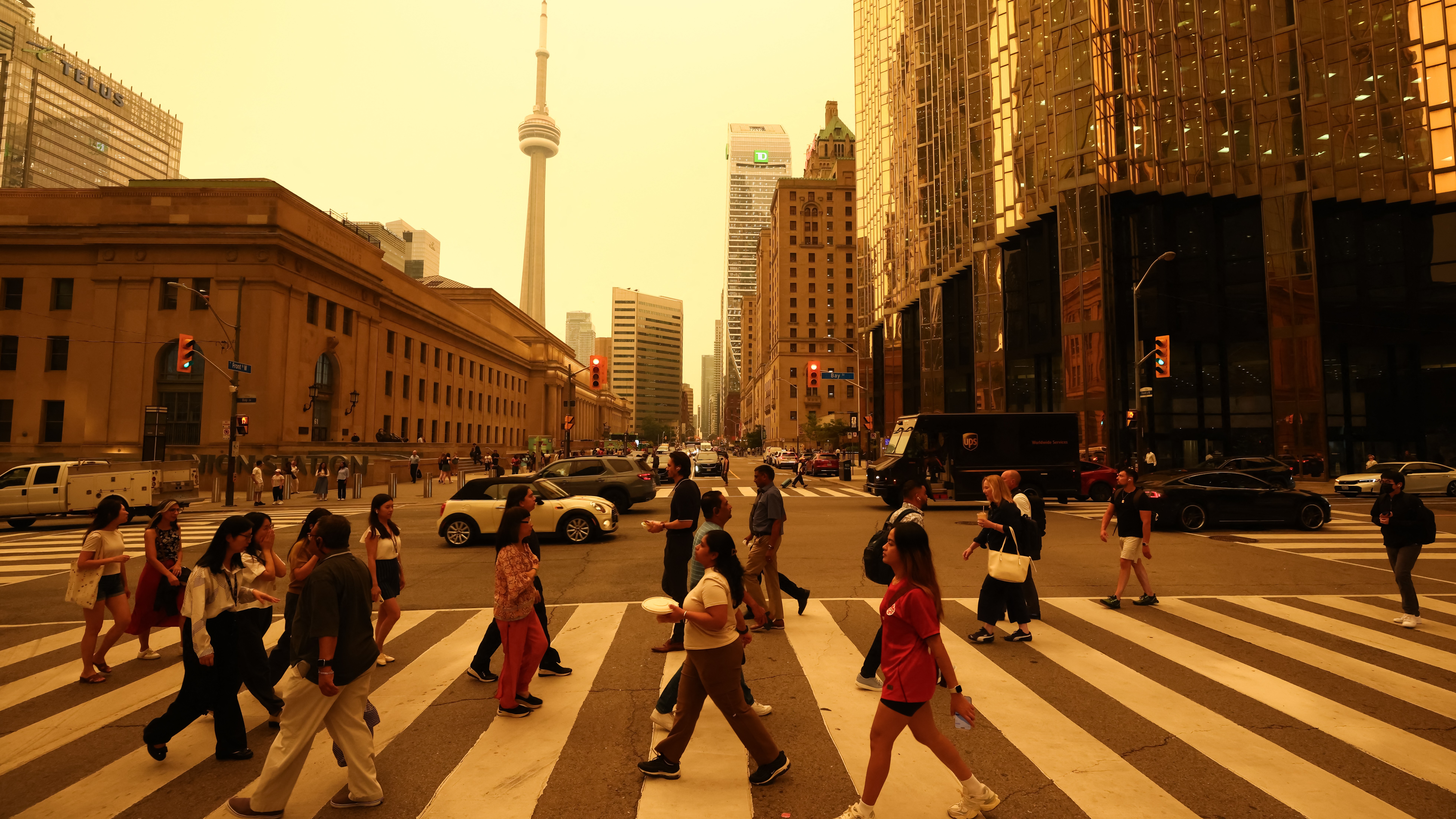
- Toronto recorded the world's worst air quality on Wednesday according to IQAir, as smoke from more than 100 active wildfires in northern Ontario turned the sky a "sickly yellow" and triggered Environment Canada health warnings.
- Toronto simultaneously shattered a three-decade heat record by hitting 37.3°C in the downtown core, with runways at its main international airport reaching 55°C.
- Collins First Nation was destroyed by the advancing fires — photographer Nadya Kwandibens posted "My family hometown, Collins Ontario, is GONE" — while residents of Namaygoosisagagun First Nation fled across Collins Lake with only minutes of warning after mandatory evacuations.
- NDP member Sol Mamakwa said an entire First Nation community has been "erased" and urged everyone to follow emergency guidance, while provincial representative Lise Vaugeois linked the extreme temperatures and growing severity of weather events to climate change.
- A Canadian National train crew near Armstrong, Ontario was filmed being overtaken by a wall of flames — "We're encased in flames now" — before the company confirmed they had been "safely evacuated."
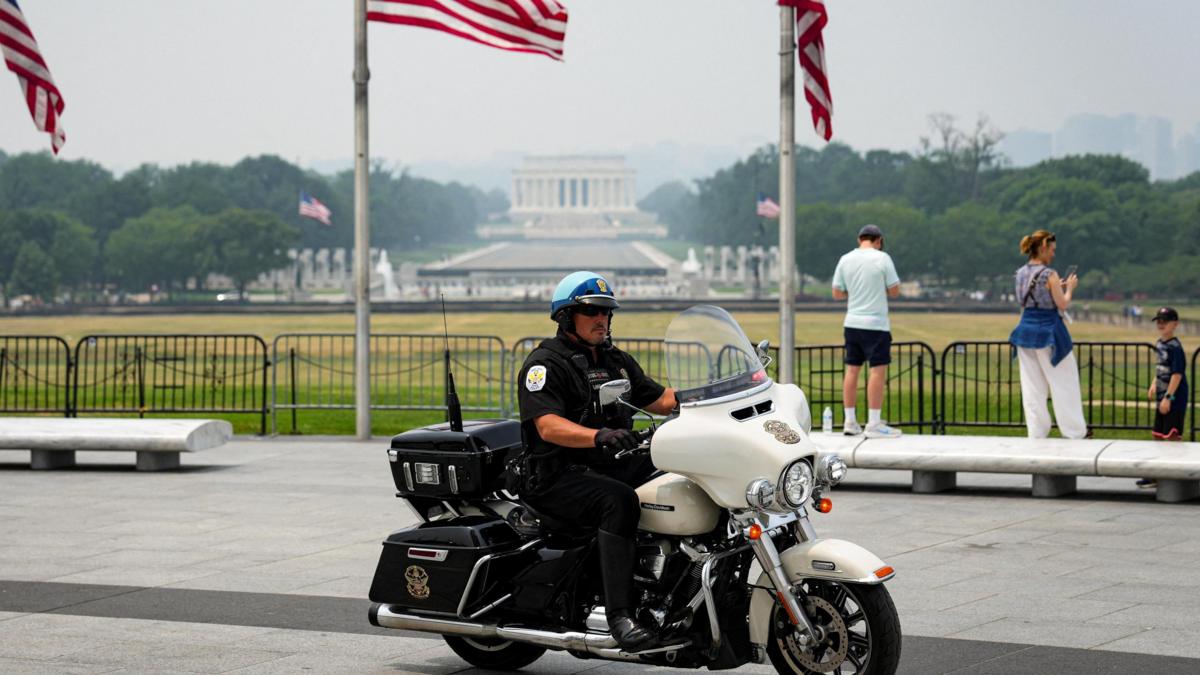
- Air quality alerts have been issued across Michigan, Minnesota, and Wisconsin, with thicker smoke forecast to reach New York, Washington, and other eastern seaboard cities later in the week.
Why it matters: The destruction of Collins First Nation represents the near-total loss of an entire Canadian Indigenous community to wildfire, with mandatory evacuations now affecting multiple First Nations across northwestern Ontario. For Toronto, the simultaneous collision of record 37.3°C heat and the world's worst air quality reveals how climate-driven fire seasons are now directly threatening Canada's largest population center and contaminating US air far downstream.
Ask SkimNews