Canada wildfires trap train crew as smoke drifts to US — SkimNews
Get the Energy newsletter
Daily energy & climate — solar, EVs, oil, the policy fights and tech bets shaping the transition. Free.
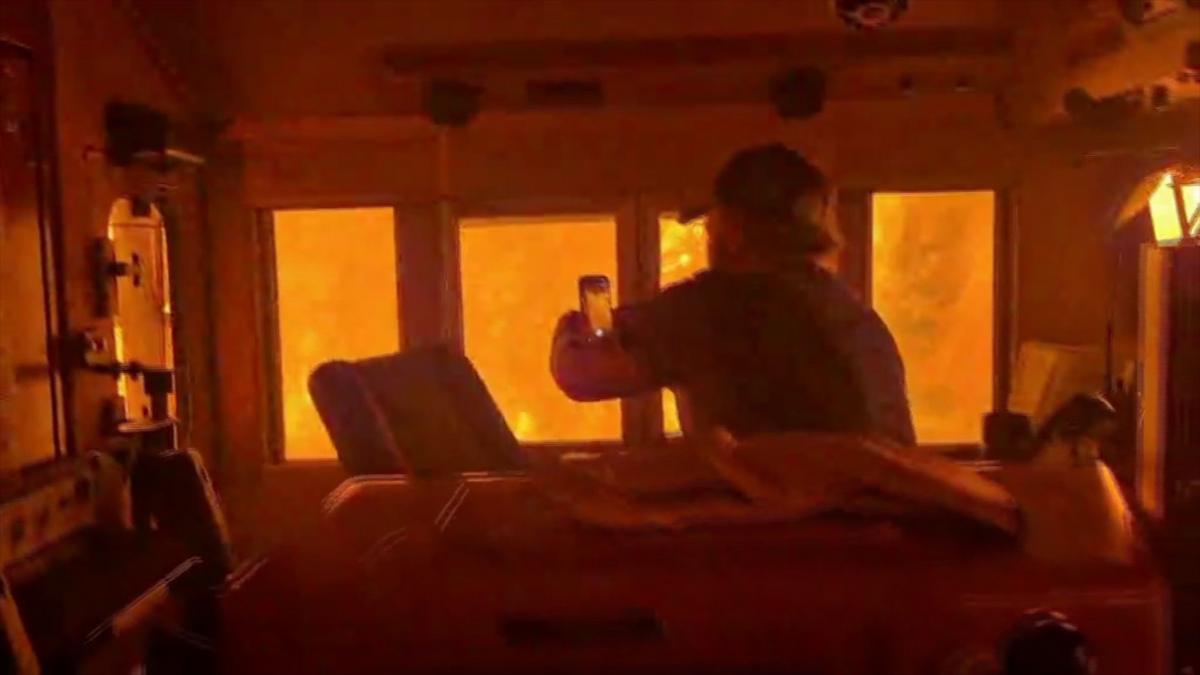
- Canadian National Rail confirmed a freight train crew near Armstrong, Ontario was "encased" in wildfire flames, with one worker saying "this has gotten a little scary"; all workers were safely rescued and operations in the region have been temporarily suspended.
- The Canadian Interagency Forest Fire Centre reports 838 wildfires actively burning across Canada, including more than 100 in Ontario, with several northwestern communities under threat.
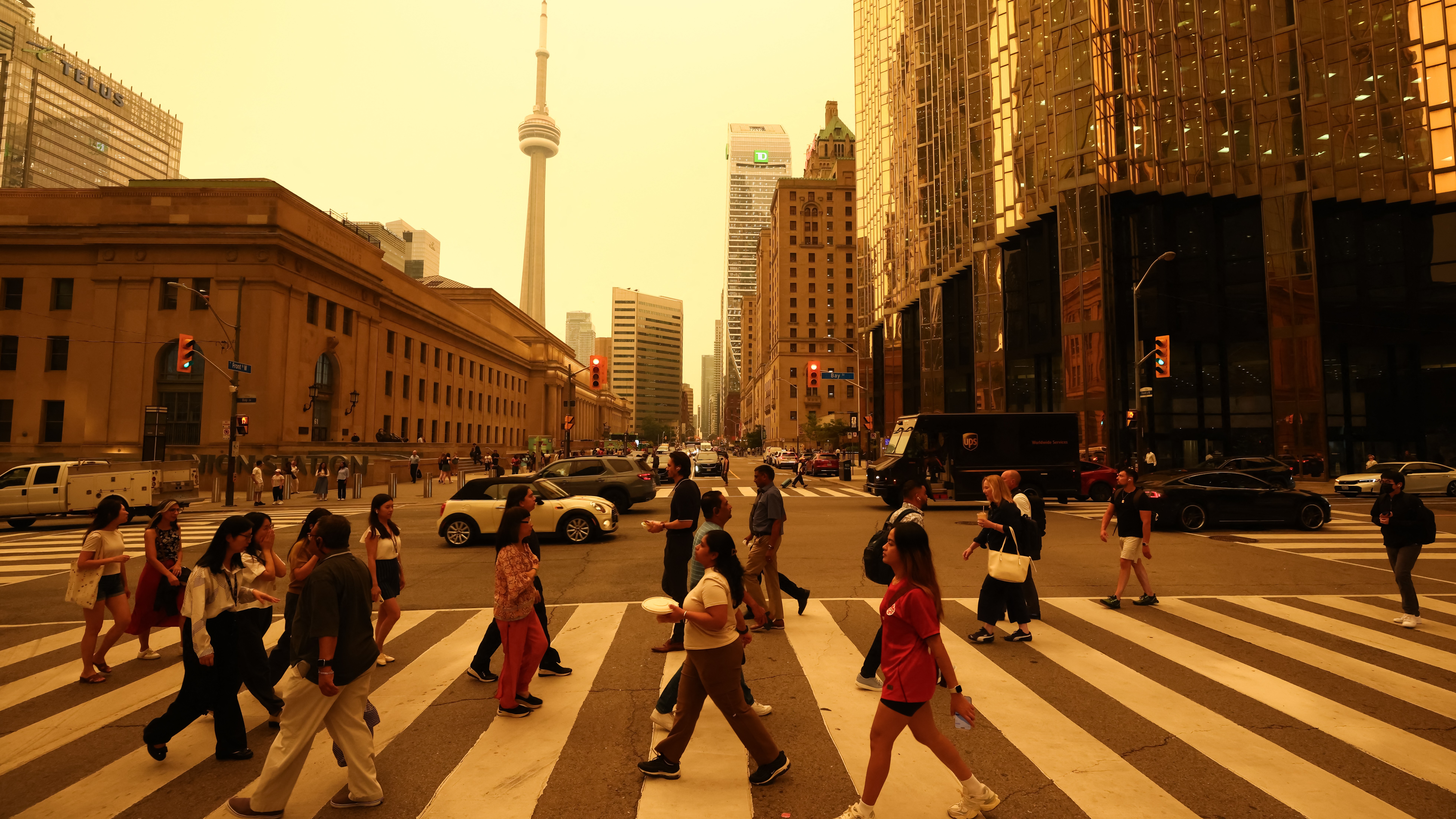
- Toronto woke up to yellow skies and was ranked by IQAir as having the worst air quality in the world—ahead of Kinshasa, Delhi, Dubai, and Jerusalem—prompting officials to cancel outdoor World Cup fan events for Wednesday's England-Argentina match and close wading pools.
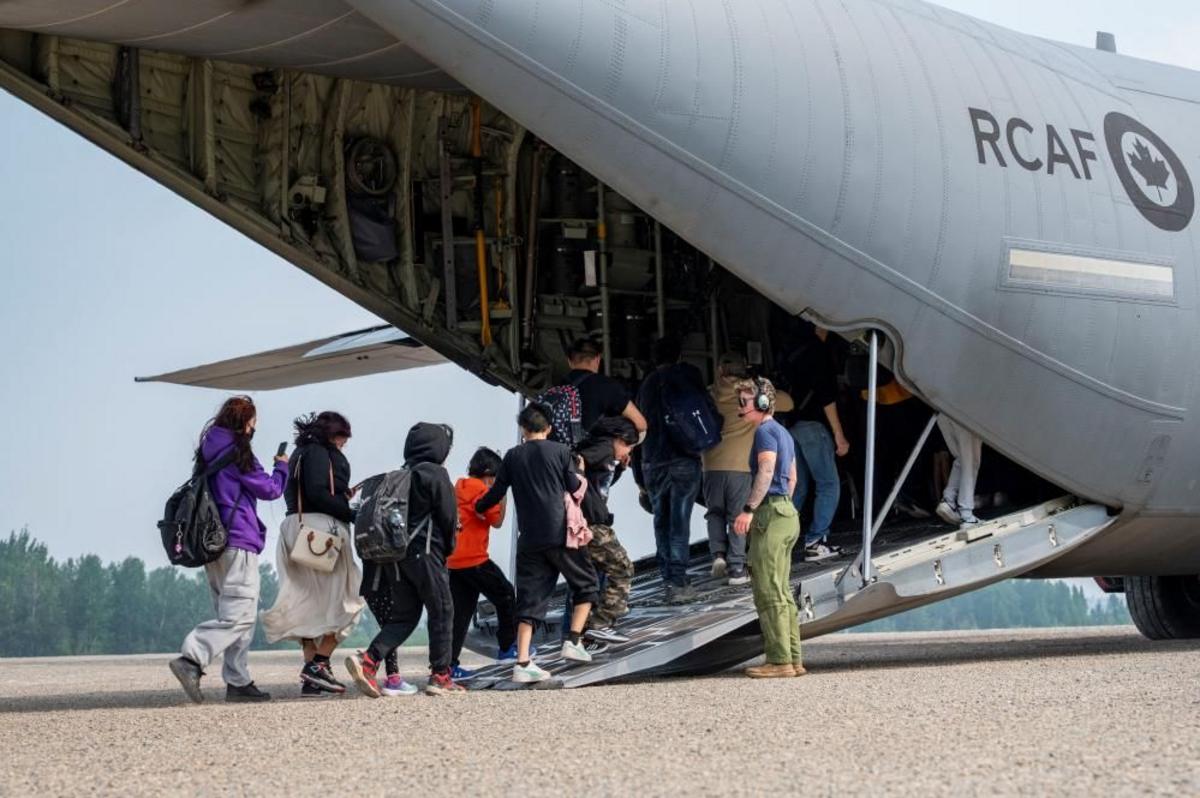
- Grand Council Chief Linda Debassige said the remote Namaygoosisagagun First Nation in northern Ontario was "devastated by an unexpected and fast-moving wildfire" that severely damaged homes and community buildings.
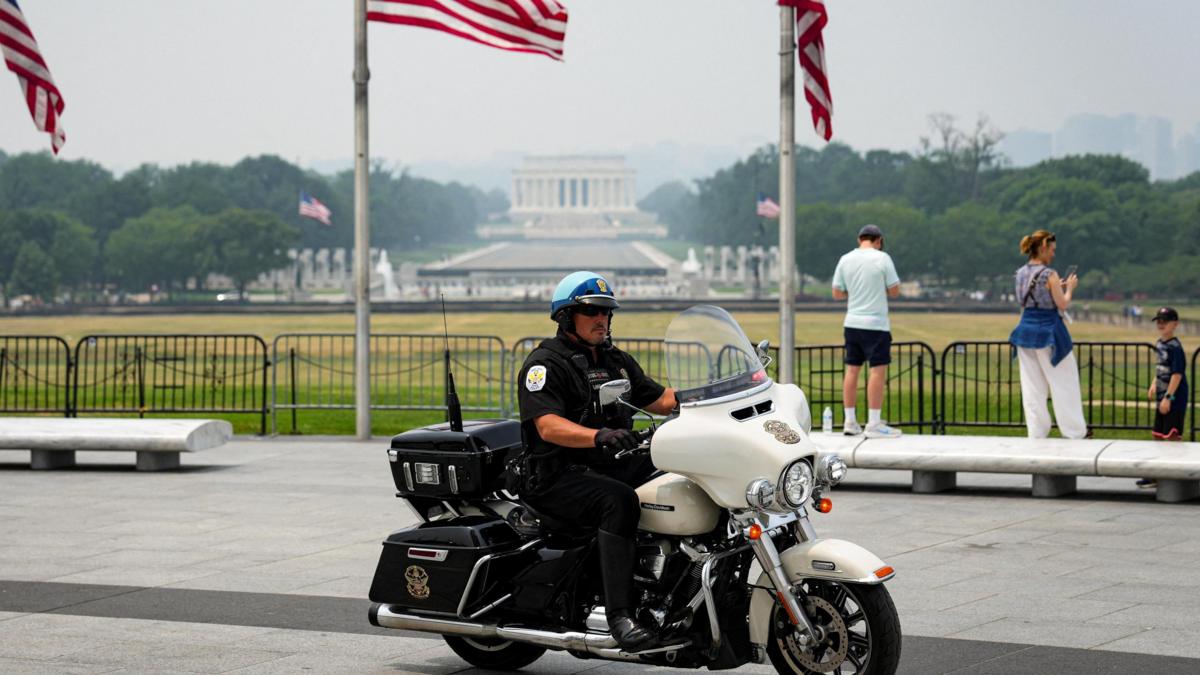
- US officials warned smoke will drift into the region starting Wednesday, potentially reaching New Jersey where Sunday's World Cup final is scheduled; New York City Emergency Management will distribute free KN95 masks at public library branches, though it does not expect a repeat of 2023's Quebec wildfire conditions.
- More than a dozen fires are burning in Minnesota due to extreme heat, dry conditions, and strong winds, with extreme heat warnings in Wisconsin and Minnesota expected to expire by Thursday night.
Why it matters: With 838 wildfires burning nationwide and Toronto topping global air-quality rankings, smoke is on track to reach millions across the US Midwest and Northeast through the weekend—including New Jersey on World Cup final day. Canadian National Rail's regional shutdown signals operational risk to freight moving through fire-prone corridors, while the devastation of Namaygoosisagagun First Nation underscores how remote Indigenous communities bear an outsized share of the damage.
Ask SkimNews