Turkey's Tightrope: Neutrality in the U.S.-Iran War — SkimNews
Get the Geopolitics newsletter
Daily geopolitics — wars, elections, sanctions, the diplomatic moves that move markets. Free.
- Erdogan condemned U.S.-Israeli strikes on Iran for violating Iran's sovereignty and offered condolences after the killing of Supreme Leader Ali Khamenei, while simultaneously denouncing Iran's missile and drone attacks on GCC states as "incredibly wrong."
- Turkey fears that fragmentation in Iran—a 92-million-person country sharing a 312-mile border—would spark a new refugee crisis and empower the Kurdistan Free Life Party (PJAK), which is affiliated with Turkey's long-time enemy the PKK.
- Foreign Minister Hakan Fidan warned the U.S. against instrumentalizing ethnic separatism to incite civil war inside Iran, and later said Secretary of State Marco Rubio assured him Washington was not sponsoring an armed Kurdish rebellion.
- NATO intercepted missiles flying toward Turkey on March 4, 9, and 13; Supreme Leader Mojtaba Khamenei denied Iranian responsibility, a denial analysts say has helped Ankara preserve its neutrality.
- Turkey's energy-dependent economy faces strain from the conflict, with long-term energy agreements with Russia and Iran nearing expiration this year and potential Strait of Hormuz disruption threatening oil supplies.
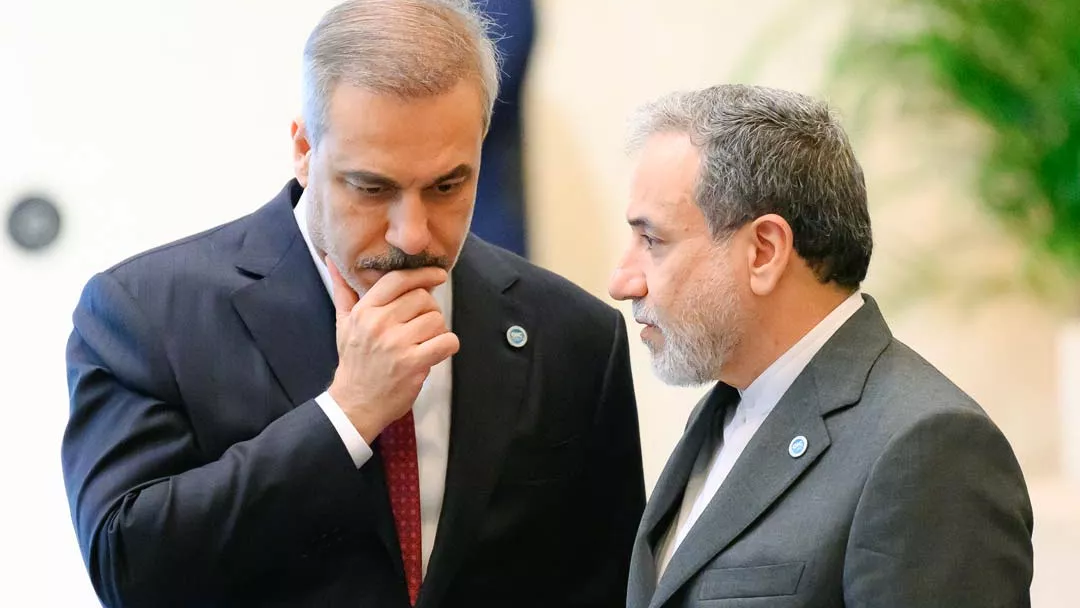
- Ankara is engaging in shuttle diplomacy—holding talks with Iran, the U.S., the EU, and Gulf states—with Atlantic Council fellow Pınar Dost calling Turkey the regional player with the greatest mediation capacity as a non-party to the conflict.
- Turkey's experience absorbing millions of Syrian refugees since 2011, with some returning after Assad's fall in December 2024, makes a parallel Iranian refugee crisis a top concern, compounded by a sizable ethnic Azerbaijani-Turk population in northwestern Iran.
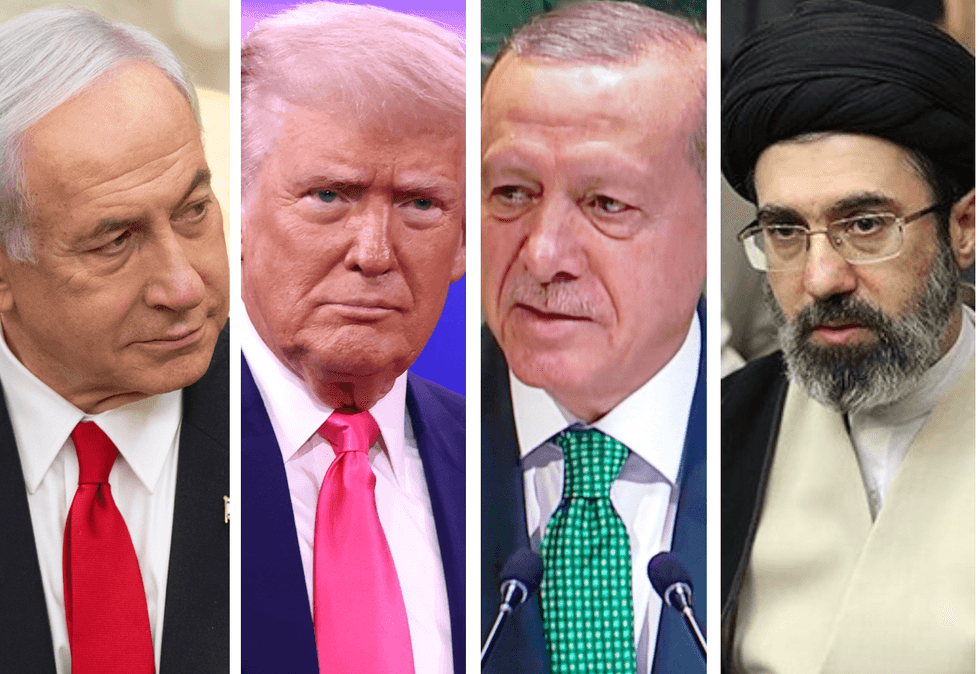
Why it matters: Turkey's 312-mile border with Iran and its history absorbing millions of Syrian refugees give it outsized stakes in preventing Iranian state collapse—a scenario that would empower PKK-affiliated Kurdish militants and force Turkey to take in ethnic Azerbaijani-Turks. Its mediation role, backed by Erdogan's ties to both Trump and Tehran, could shorten the war, but Turkey's energy import dependence (with Russian and Iranian deals expiring this year) leaves it economically exposed to prolonged conflict.
Ask SkimNews