Trust in Science Demands More Than Better Messaging — SkimNews

Get the Health newsletter
Daily health & science — research, biotech, public health, the studies worth knowing. Free.
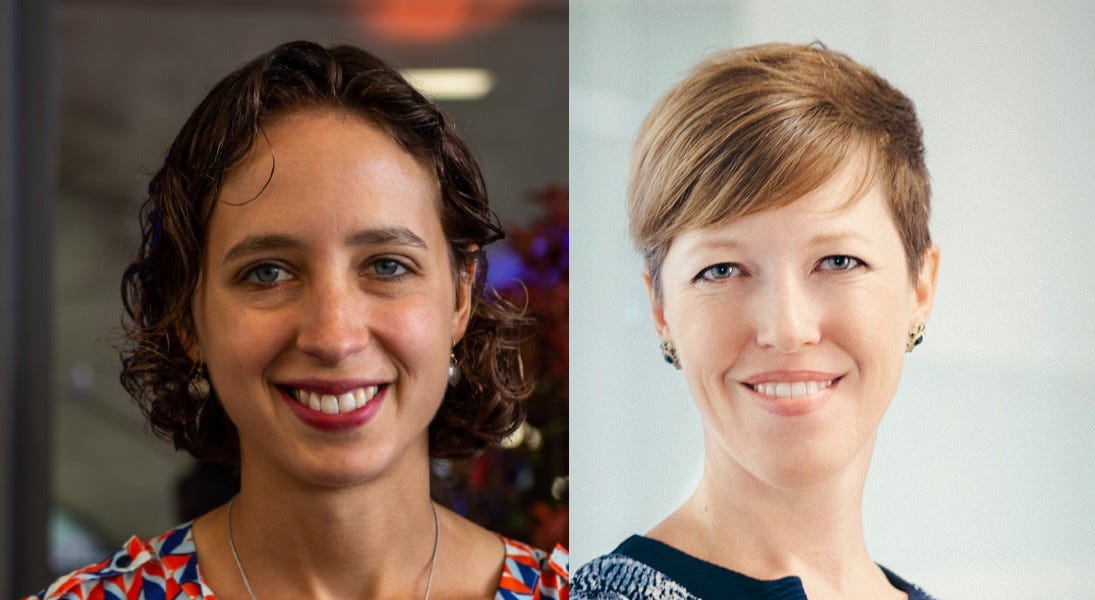
- Michelle Groman and Caroline Montojo, presidents of the Greenwall and Dana Foundations, argue in STAT that "communicate better" is insufficient to restore public trust in science, and that relational infrastructure and demonstrated trustworthiness matter more than messaging.
- The Dana Foundation partnered in 2024 with UCLA and Charles R. Drew University on community-partnered research in South Los Angeles, where listening sessions with residents surfaced concerns about low-flying helicopter noise disrupting children's sleep and brain health.
- Researchers replicated the helicopter noise patterns in animal models, found impaired brain function, and presented the findings to the city council during deliberations over expanding the local helicopter fleet, prompting the council to pause its decision and request more research.
- The authors frame trust as bidirectional, noting that community members brought local knowledge researchers could not have gathered at a distance, and that researchers had to extend trust to their community partners for the collaboration to work.
- The Dana, Greenwall, John Templeton, and Boston Foundations are funding STAT's new trust-in-science beat, while the Greenwall Foundation separately funds research on trust at multiple levels — between patients and clinicians, within organizations, and between the public and regulators.
- A RAND Europe/Wellcome report cited by the authors maps trustworthiness along five dimensions — expertise, benevolence, transparency, responsiveness, and integrity — operating at individual, institutional, and system levels.
Why it matters: The foundations are redirecting philanthropy away from one-way science communication toward sustained, community-embedded research partnerships. With the Greenwall Foundation funding multi-level trust studies and the Dana Foundation supporting the UCLA-CDU model, foundation-backed science is being reshaped to require community input from the start — meaning future grant designs will increasingly demand relational engagement rather than outreach campaigns.
Ask SkimNews