FA, UEFA Condemn FIFA Plan to Sell World Cup Stakes — SkimNews
Get the Sports newsletter
Daily sports — scores, transfers, the storylines from the leagues you actually follow. Free.
- FIFA announced plans to create a commercial subsidiary running its main events—including the men's and women's World Cup and Club World Cup—with external investors able to buy stakes, prompting fears of massive tournament expansion.
- The FA said it was "completely unaware" of the proposal and "deeply concerned" about the lack of process and governance, noting that at least two of FIFA's eight vice-presidents were also not consulted before the plans were released.
- UEFA condemned the proposals as having "crossed a line" and is holding an emergency virtual meeting of its 55 member nations, where one senior English source suggested the possibility of a World Cup boycott could be raised.
- Concacaf joined the opposition, stating it was "deeply concerned by the lack of due process" and criticizing that the level of detail was shared publicly before any discussion with relevant governance bodies and stakeholders.
- FIFA defended the plan as necessary to grow the game globally, aiming to extend development funding to $10bn (£7.5bn) and offer each of its 211 member associations up to $20m (£15m) in one-off capital.
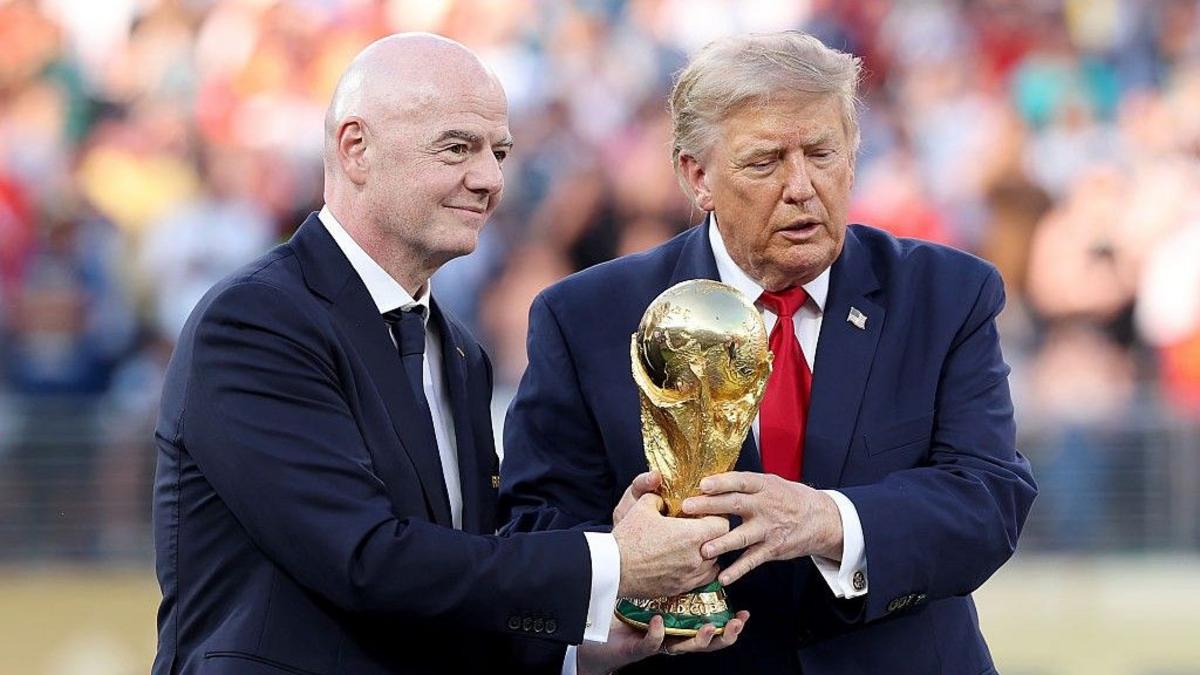
- Separately, UEFA president Aleksander Ceferin boycotted the recent World Cup final in protest at US President Donald Trump stepping in to turn USA forward Folarin Balogun's one-match ban into a suspended ban, allowing him to face Belgium.
Why it matters: FIFA controls the planet's most-watched sporting events, and letting external investors buy into them could reshape who profits from football's flagship tournaments. UEFA and Concacaf—representing Europe's elite clubs and North/Central America respectively—are publicly aligned against a process that bypassed even FIFA's own vice-presidents, raising the prospect of the first World Cup boycott since 1970. With proposals for a 64-team World Cup in 2030 already gathering pace, a standoff over governance could reshape the global football calendar.
Ask SkimNews