Trump Tariffs Reverse: Companies Pull Production Back to China — SkimNews
Get the Geopolitics newsletter
Daily geopolitics — wars, elections, sanctions, the diplomatic moves that move markets. Free.
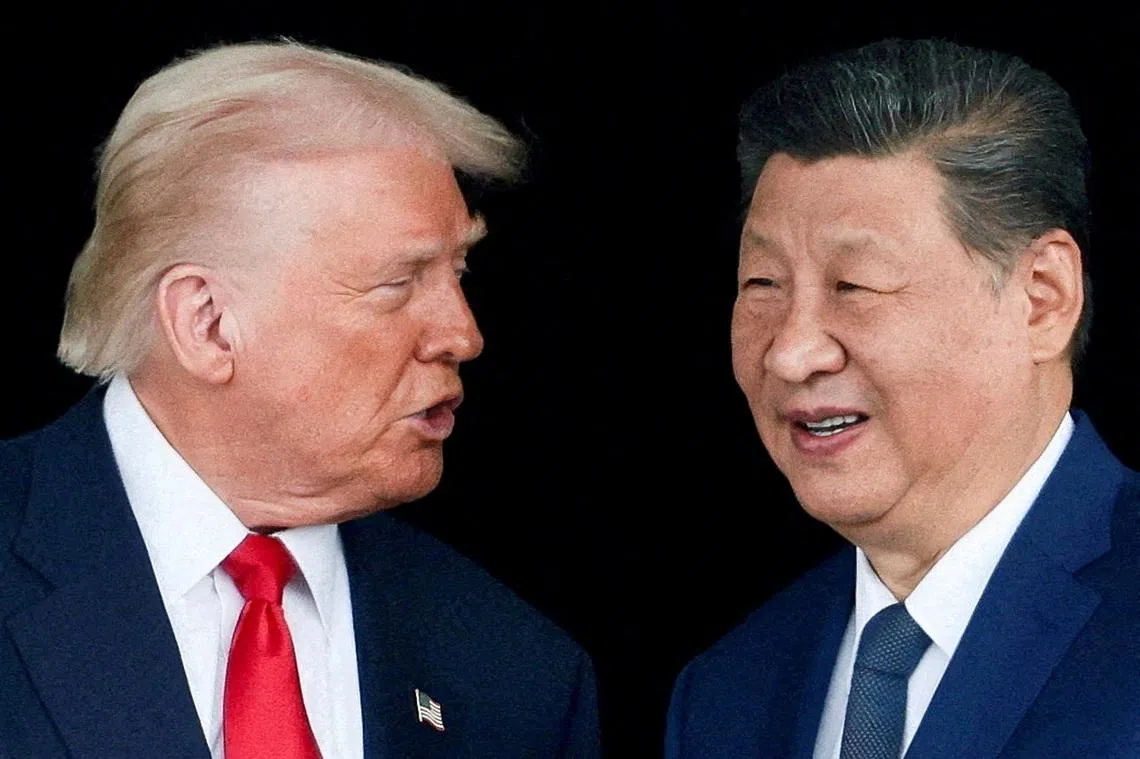
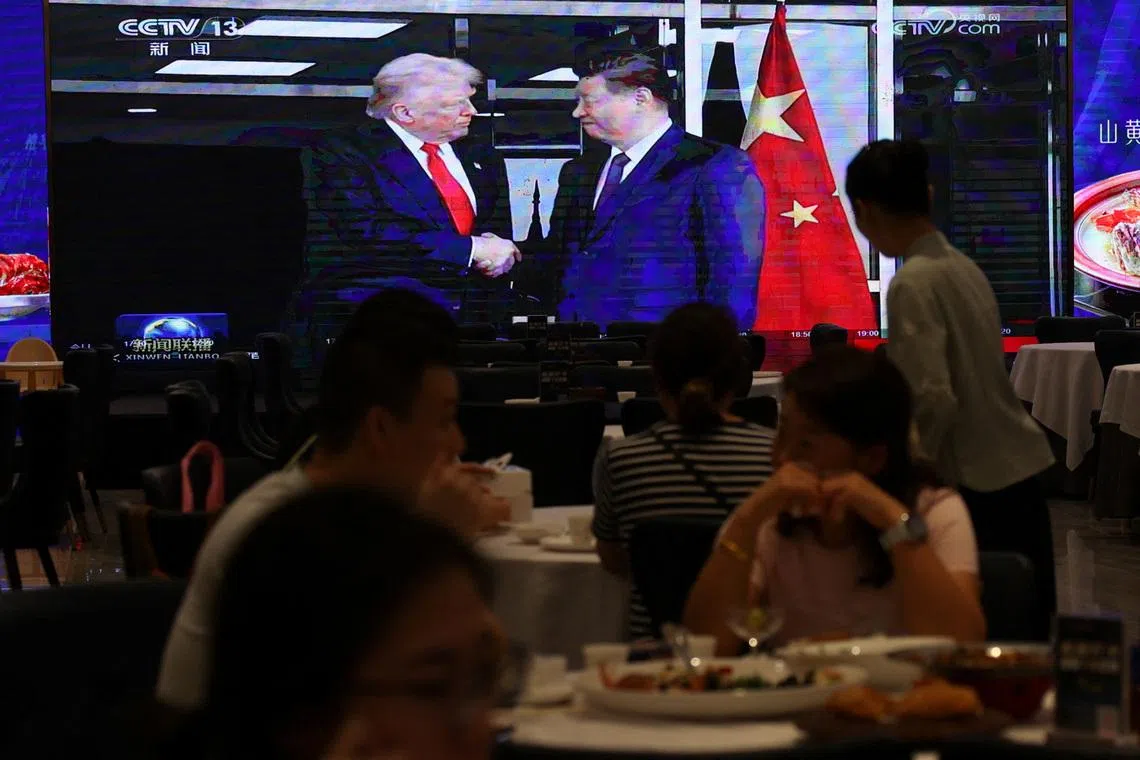
- Trump administration tariffs on China hit 145% in 2025, spurring a panicked exodus of manufacturing to South-east Asia, but have since fallen to a new rate of 12.5% — similar to duties imposed on dozens of other countries — with a weighted US rate slightly above 23% per Guojin Securities.
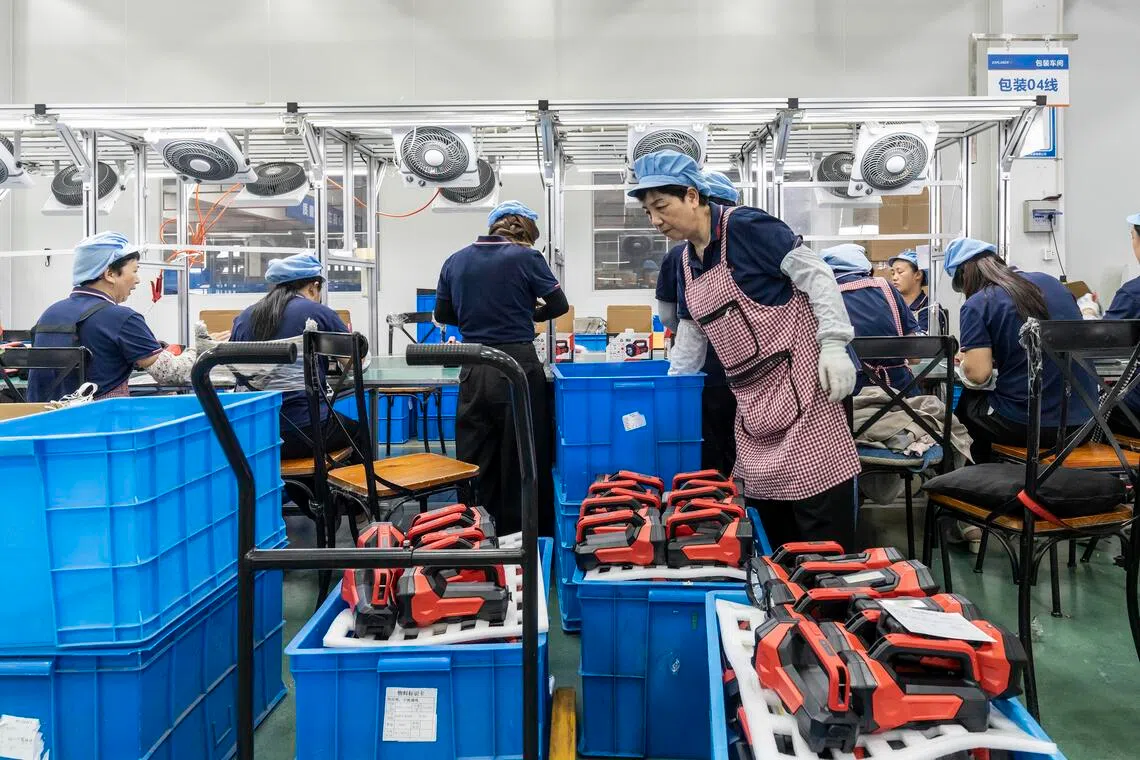
- Phil Laster, COO of Texas-based Alliance Consumer Group, confirmed his company has pulled production back to Chinese supplier Ningbo Bright Electric after helping it open a Thai factory, citing a 12–15% cost penalty for making torches in Thailand versus China.
- Torch tariffs from China now sit at 20%, versus 19% from Vietnam, Thailand and Cambodia — a gap too narrow to justify the higher materials, transport and bureaucratic costs of South-east Asian production, according to ACG and Peterson Institute economist Mary Lovely.
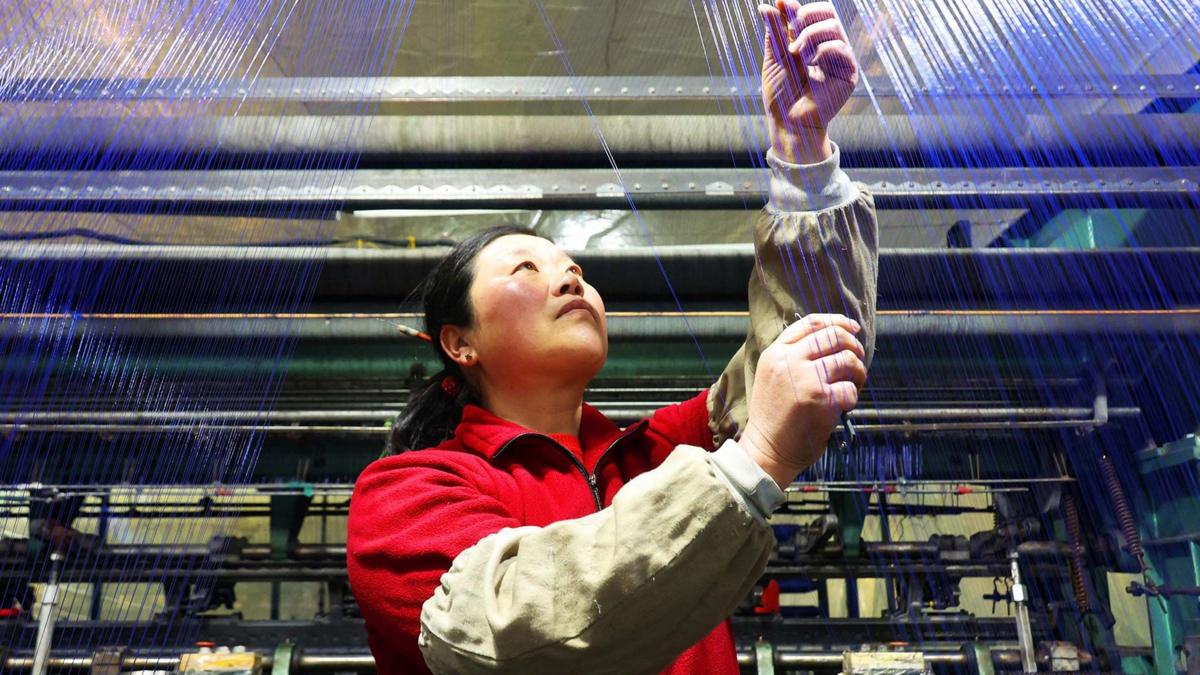
- Xidian, China — dubbed "Torch City" — produces roughly 60% of the world’s torches and sits near major Pacific shipping lanes, giving it a scale and logistics advantage Hinrich Foundation’s Deborah Elms said makes China "going to drive you to have a very large share of manufacturing."
- Qima founder Sebastien Breteau said fuel shortages stemming from the Iran war have further strained Vietnamese factories, accelerating the reverse migration: "As soon as you have a little stress, you find that…companies rush back to China," he said.
- USTR Jamieson Greer warned that companies moving back to China would be "a mistake," arguing executives understand "the high-risk nature of being super reliant on China," even as Hinrich Foundation analysts say Beijing views 20% as a hard ceiling on acceptable tariff rates.
Why it matters: The narrowing tariff gap — 20% on Chinese torches versus 19% from South-east Asia — has collapsed the financial case that drove ACG and others to spend millions diversifying, meaning the billions US firms poured into Vietnam and Thailand factories may now sit half-built. That reversal hands China a stronger negotiating position even as the Trump administration prepares new tariffs through an industrial-subsidy investigation.
Ask SkimNews