HQ-16F: China defends mainland rear against precision

Get the Geopolitics newsletter
Daily geopolitics — wars, elections, sanctions, the diplomatic moves that move markets. Free.
- The HQ-16F is a medium-range SAM with AESA radar tracking of over 250 kilometers, capabilities that match or exceed the US-made Patriot PAC-2 and PAC-3 systems protecting Taiwan, and employs thrust vectoring to engage low-altitude or supersonic threats.
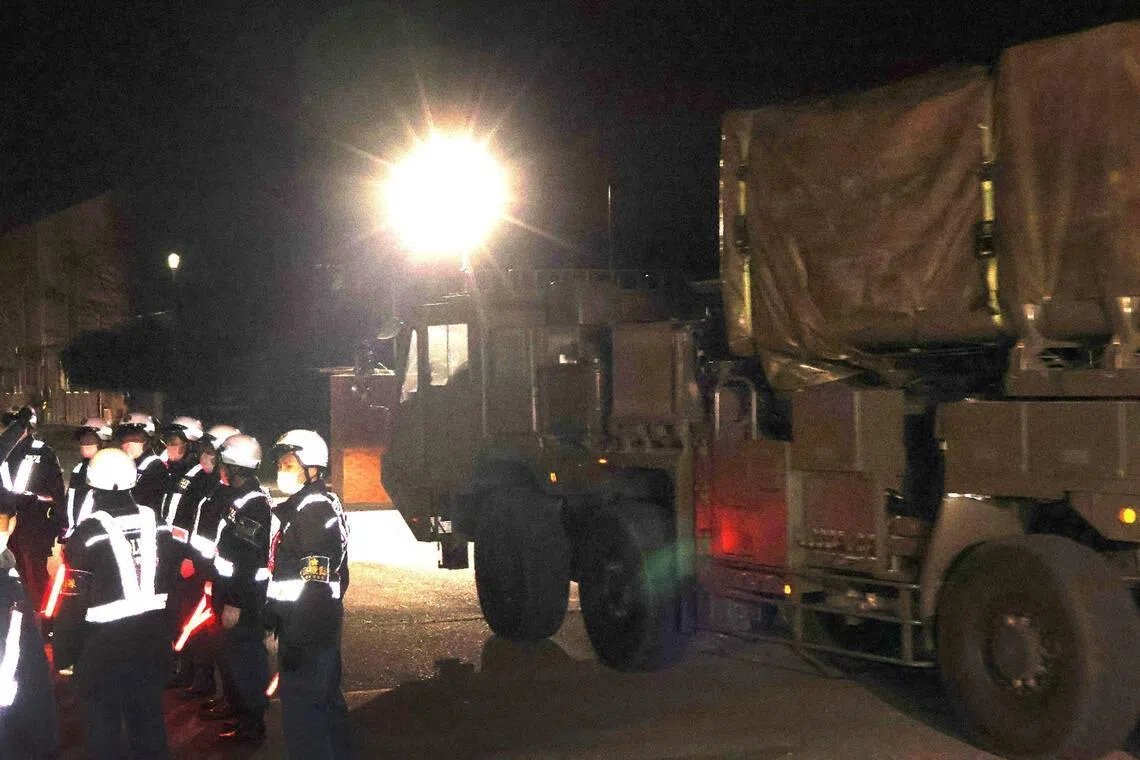
- The PLA's 73rd Group Army, headquartered in Xiamen, Fujian, conducted the system's first live-fire assessment in the northwestern Gobi Desert, with a mobile launcher successfully intercepting a target 50 kilometers away.
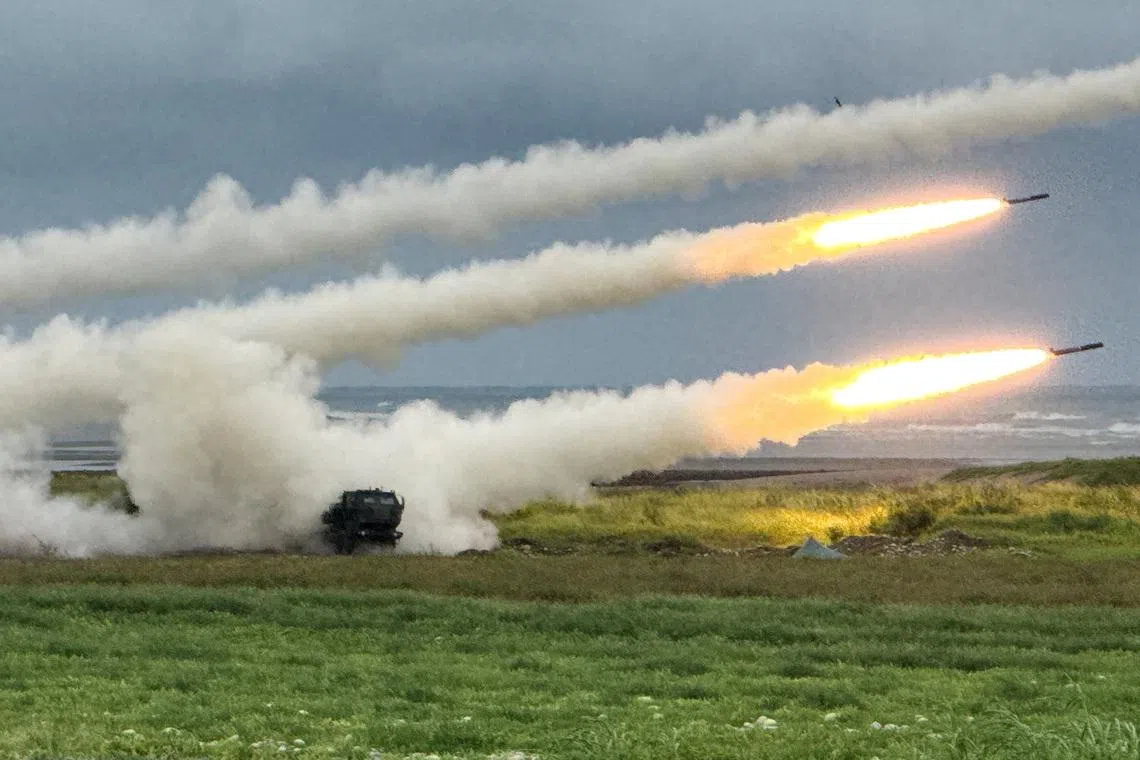
- Taiwan's emerging strike capabilities are the likely driver of the deployment: US-supplied ATACMS can hit targets in a 300-kilometer ring around the island across the 180-kilometer-wide strait, and the Hsiung Feng IIE cruise missile has an extended range of 1,200 kilometers — deep enough to reach mainland China.
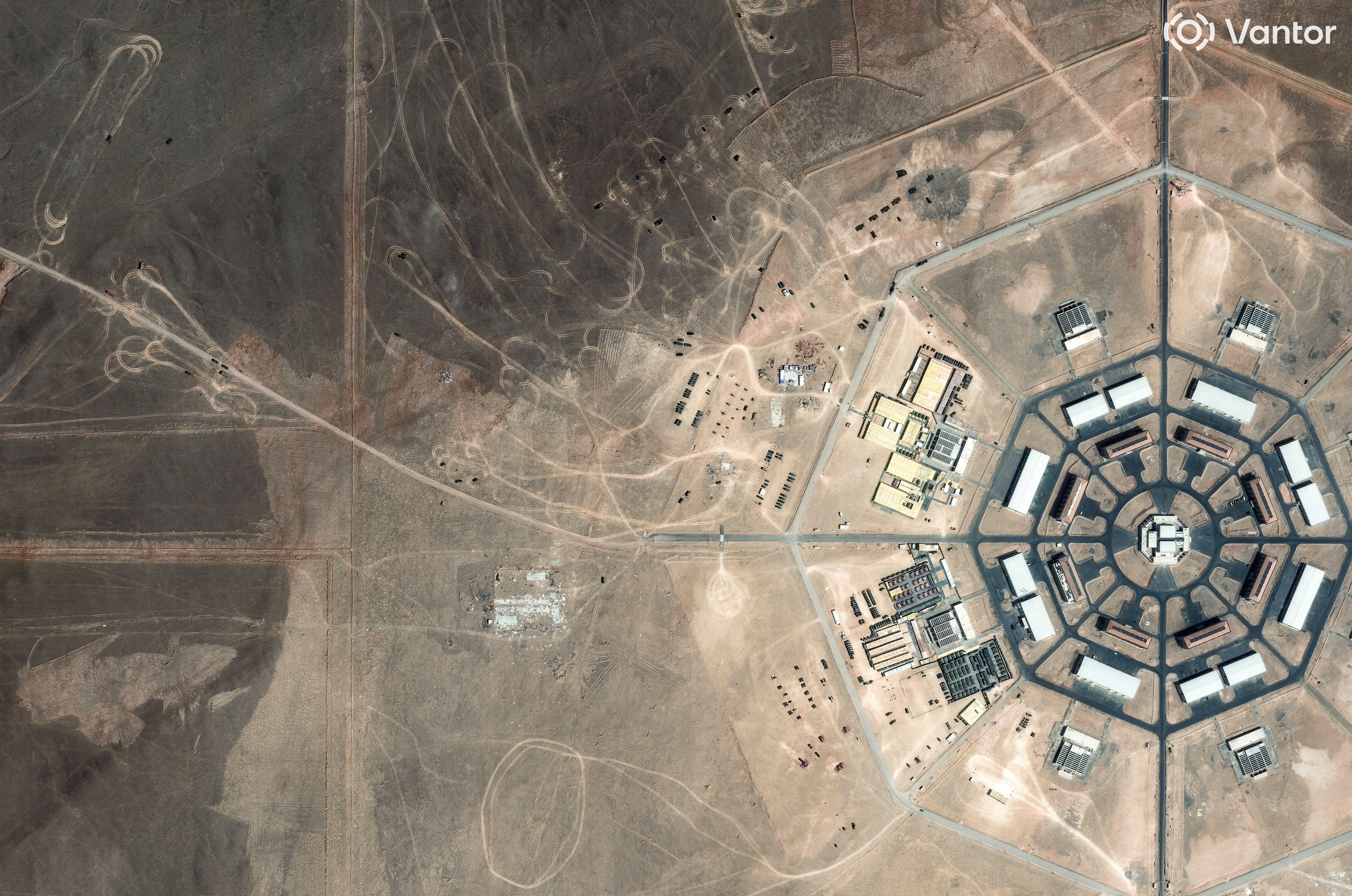
- The HQ-16F may also defend China's strategic rear, including the Hami nuclear silo field (reportedly protected by camouflaged air defense positions) and the Beijing Military Complex underground command center, against US conventional strike capabilities.
- The June 2025 US strikes on Iran's nuclear sites — seven B-2 bombers delivering 14 13,600-kilogram MOP bombs against Natanz, Fordow, and Isfahan — underscored the same vulnerability for China, demonstrating how US stealth bombers and penetrating weapons could target underground Chinese nuclear and C2 facilities.
- China's no-first-use nuclear policy could be abandoned if the Communist Party regime or nuclear arsenal is deemed under threat, meaning the HQ-16F's role protecting rear assets could escalate a conventional exchange toward nuclear retaliation.
- China's vast territory, like Russia's in Ukraine, may become a strategic liability against long-range precision strikes, forcing Beijing to concentrate air and missile defenses around critical military, political, and infrastructure sites rather than provide nationwide coverage.
Why it matters: China is acknowledging a Taiwan conflict would extend well beyond the Strait into the mainland, forcing concentrated air defenses around nuclear sites, leadership bunkers, and invasion staging areas. For Taiwan, the HQ-16F makes ATACMS and Hsiung Feng IIE strikes harder to execute, while signaling Beijing is preparing to absorb and retaliate against deep strikes on Chinese territory.