Macron to Russia: West Asia War Won't Ease Sanctions — SkimNews
SkimNews Take
Overlapping crises appear to be forcing Western capitals into contradictory moves—publicly sustaining pressure on Russia while temporarily easing oil sanctions to contain prices—revealing that the simultaneity of these conflicts is straining coalition coordination more than any single theater.
Get the Geopolitics newsletter
Daily geopolitics — wars, elections, sanctions, the diplomatic moves that move markets. Free.
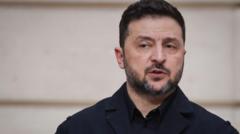
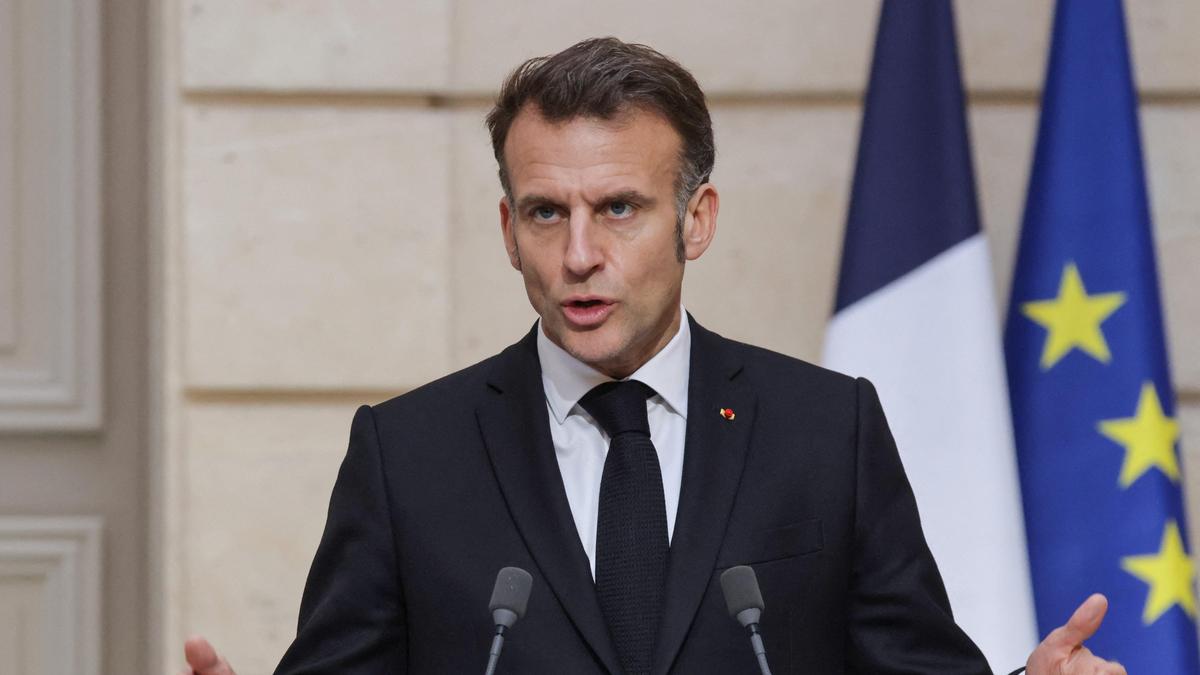
- Emmanuel Macron told Russia it was 'mistaken' if it believed the West Asia war would offer it respite from Western sanctions, speaking after talks with Ukrainian President Volodymyr Zelenskyy in Paris on March 13, 2026
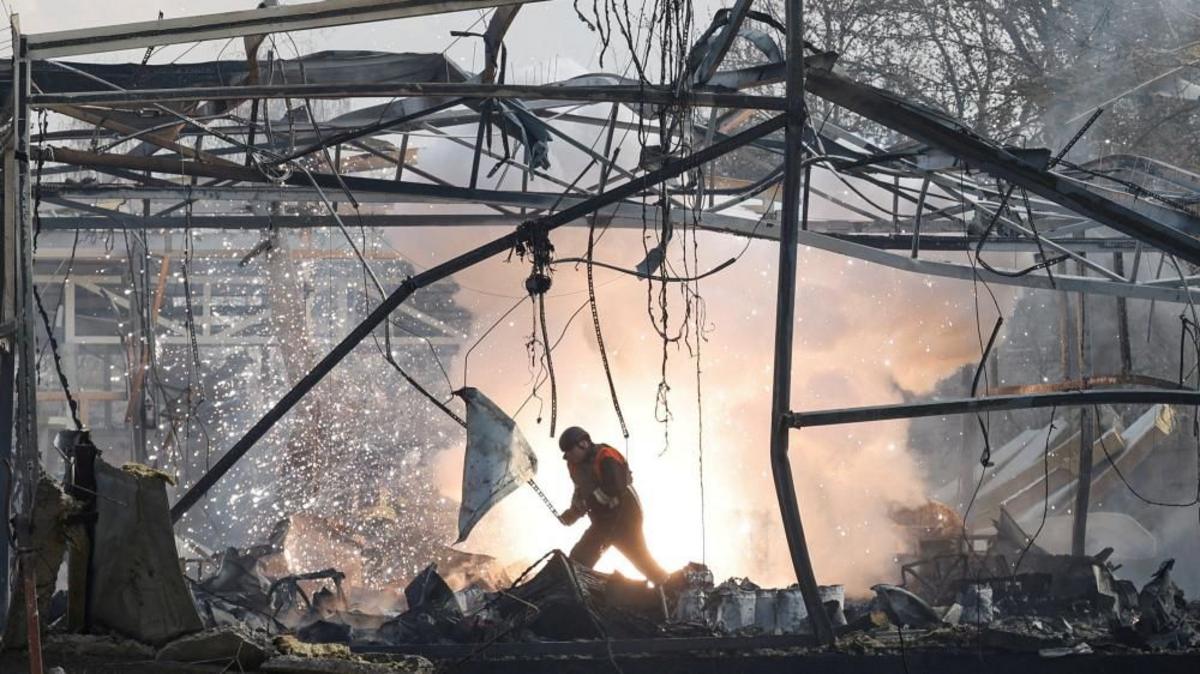
- U.S.-Israel strikes on Iran and Tehran's retaliatory attacks across the Gulf have virtually halted transit through the Strait of Hormuz, sending global oil prices above $100 a barrel
- The United States temporarily allowed the sale of Russian oil already at sea to cool prices, a move Macron said he believed would be 'limited' and not a lasting reversal of G7 sanctions policy
- Arnaud Frion, a 42-year-old French soldier, was killed by a Shahed drone strike at a base in Iraq's Kurdistan region where troops were conducting counter-terrorism training with Iraqi counterparts
- Macron confirmed France's position in the West Asia war remained 'purely defensive' despite the soldier's death, and refused to discuss a retaliatory strike against Iran, calling it 'political fiction'
Why it matters: Macron publicly broke with the U.S. over loosening Russian oil sanctions even as oil holds above $100 a barrel, exposing allied friction over sustaining Ukraine pressure while the West Asia war disrupts Gulf transit. The killing of a French soldier in Iraq has not shifted Paris from its stated 'purely defensive' stance, sharpening the gap between rhetoric and escalation.
Ask SkimNews