Grange Hospital called dangerous but has top survival rates — SkimNews

Get the Health newsletter
Daily health & science — research, biotech, public health, the studies worth knowing. Free.
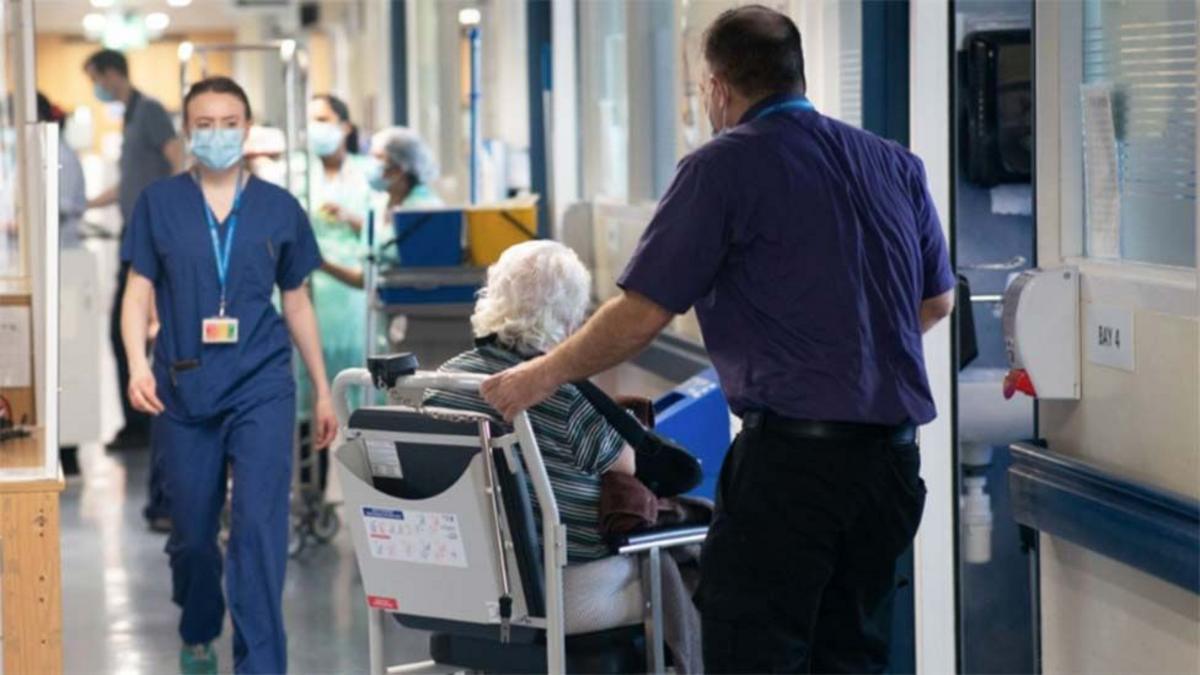
- Grange University Hospital has treated over 90 patients in its A&E department at capacity, with some waiting up to 18 hours due to overcrowding and bed shortages, forcing staff to place patients in open areas behind cubicles.
- Dr Zoe Morgan-Pittard reports that the Emergency Department’s resuscitation unit is consistently full, requiring rapid triage decisions and patient relocations, while staff use arm stickers to track assessments amid extreme workload.
- Aneurin Bevan Health Board maintains that the hospital has among the best mortality rates in Wales, with lower death rates in emergency care than comparable hospitals, despite operating under Level 4 government oversight for urgent care performance.
- Leanne Watkins, chief operating officer, defends the hospital as safe and effective for critically ill patients, stating it ranks 'right up there with the best in the UK' for outcomes in hip fracture and emergency surgery.
- Welsh Ambulance Service has improved handover times, with 67% of ambulances released within 45 minutes over 30 days—up from full shifts spent waiting—due to flow initiatives like a discharge-focused portacabin with 10 beds and 15 chairs.
- Surgical and urgent care teams now proactively identify and分流 patients in A&E to speed treatment, while the portacabin supports faster discharges by coordinating with families and social services to free up acute beds.
Why it matters: Patients face prolonged waits due to systemic bottlenecks, but the hospital’s strong clinical outcomes challenge the dominant narrative of failure; the disconnect between public perception and performance data risks eroding trust in both staff and the health system, despite measurable progress in ambulance handovers and mortality rates.
Ask SkimNews