Powering data centers on nuclear? That’s a tough sell in Utah’s coal country. — SkimNews
Get the Energy newsletter
Daily energy & climate — solar, EVs, oil, the policy fights and tech bets shaping the transition. Free.
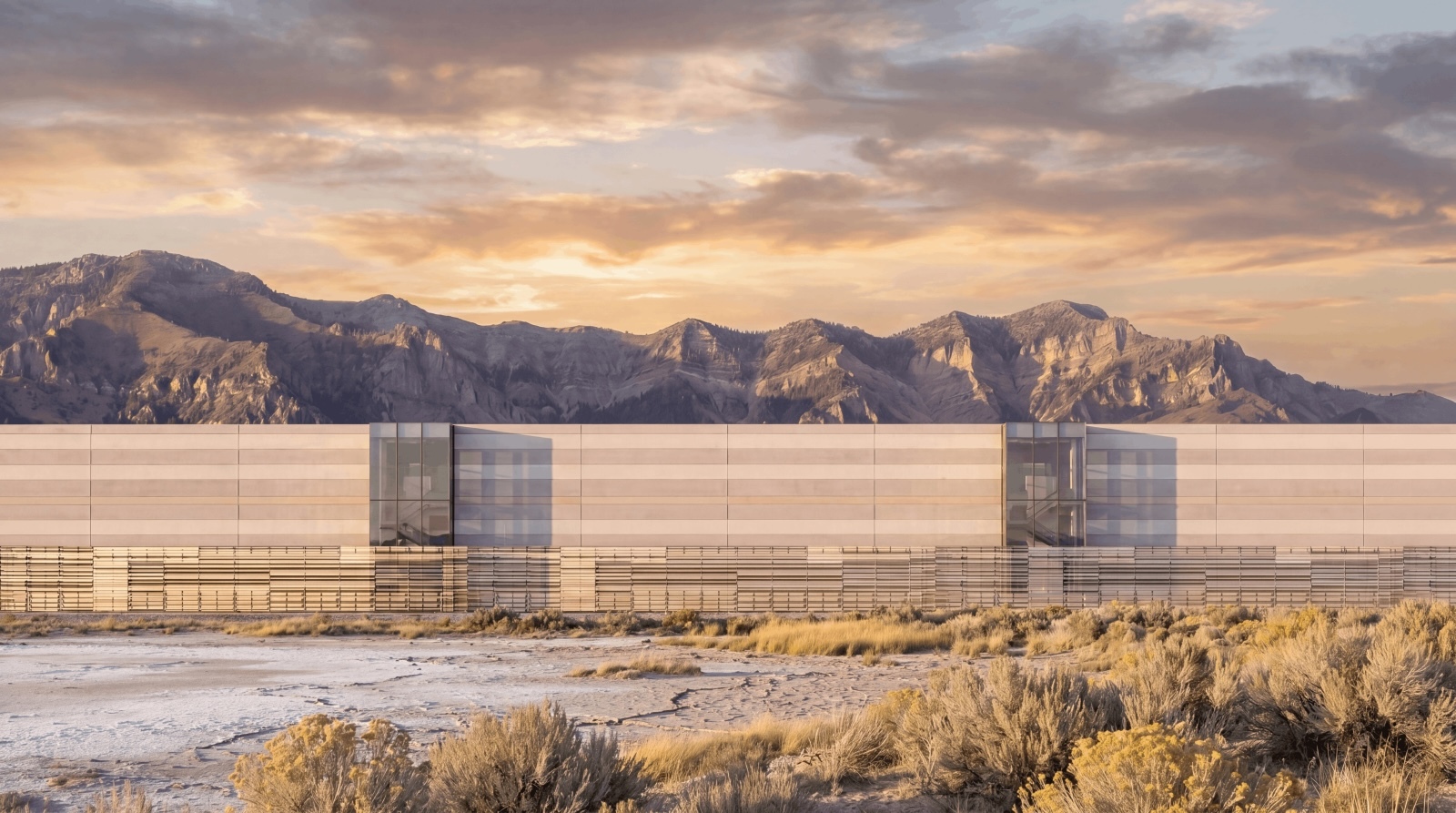
- Valar Atomics plans a complex of 456 small modular reactors on Bureau of Land Management land in Carbon County, storing radioactive waste and powering data centers, uranium TRISO-fuel processing, desalination, steel manufacturing, and critical mineral refining.
- Utah Trust Lands Administration agreed to lease a square mile of state-owned land to Valar for up to 100 years, projecting $35 million in lease rents over 50 years with revenue earmarked for Utah schools.
- Valar announced it achieved "self-sustaining criticality" with its Ward250 microreactor in June at the San Rafael Energy Lab in neighboring Emery County and plans a 30-megawatt nuclear-powered AI data center there in partnership with Nvidia.
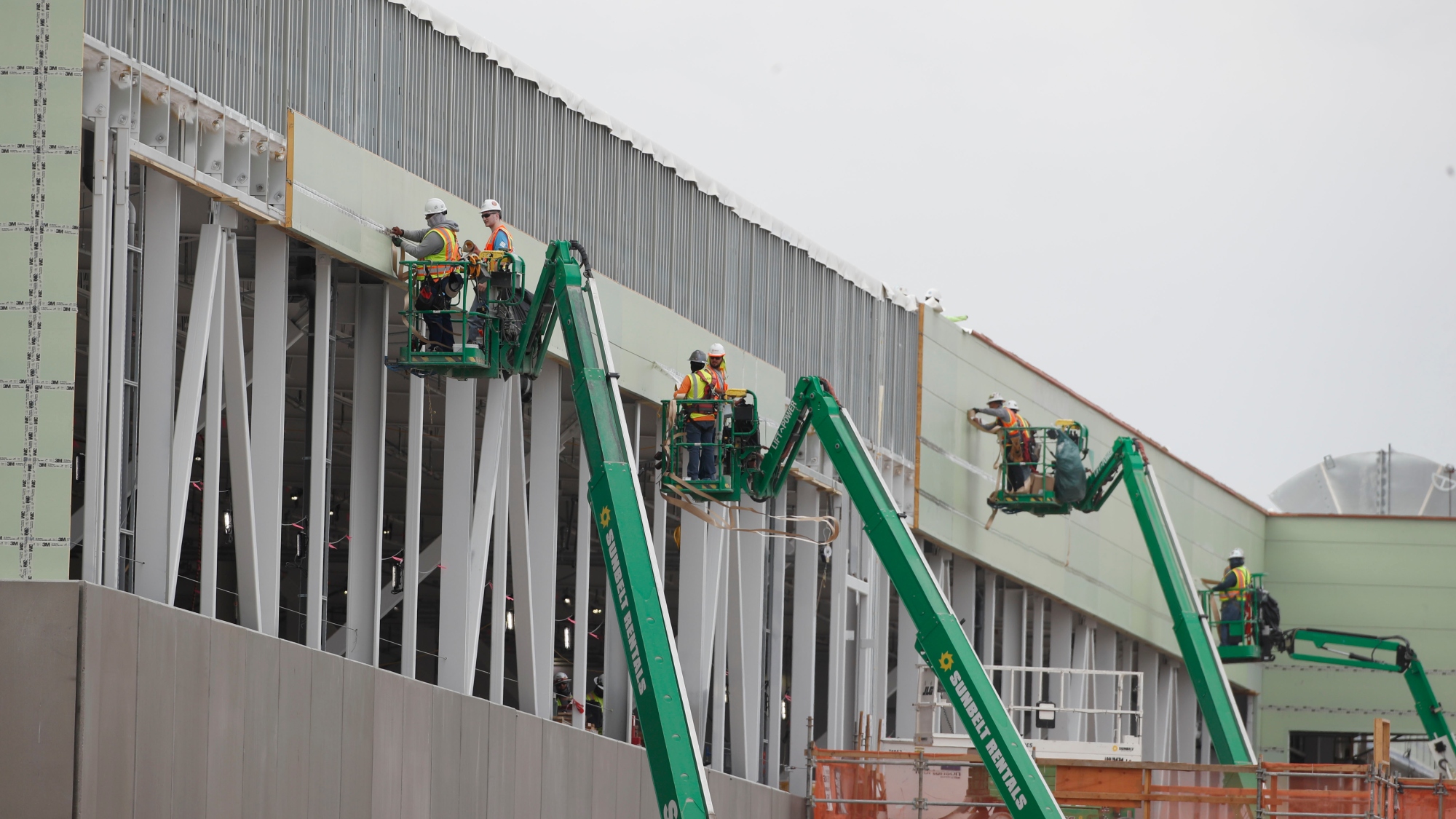
- Altigen Energy's "Jurassic Spark" would cover 1,200 acres east of Wellington — nearly double the Valar campus — with a 250-megawatt gas plant initially and potential capacity of 3 gigawatts, compared with Utah's total statewide demand of about 4 gigawatts.
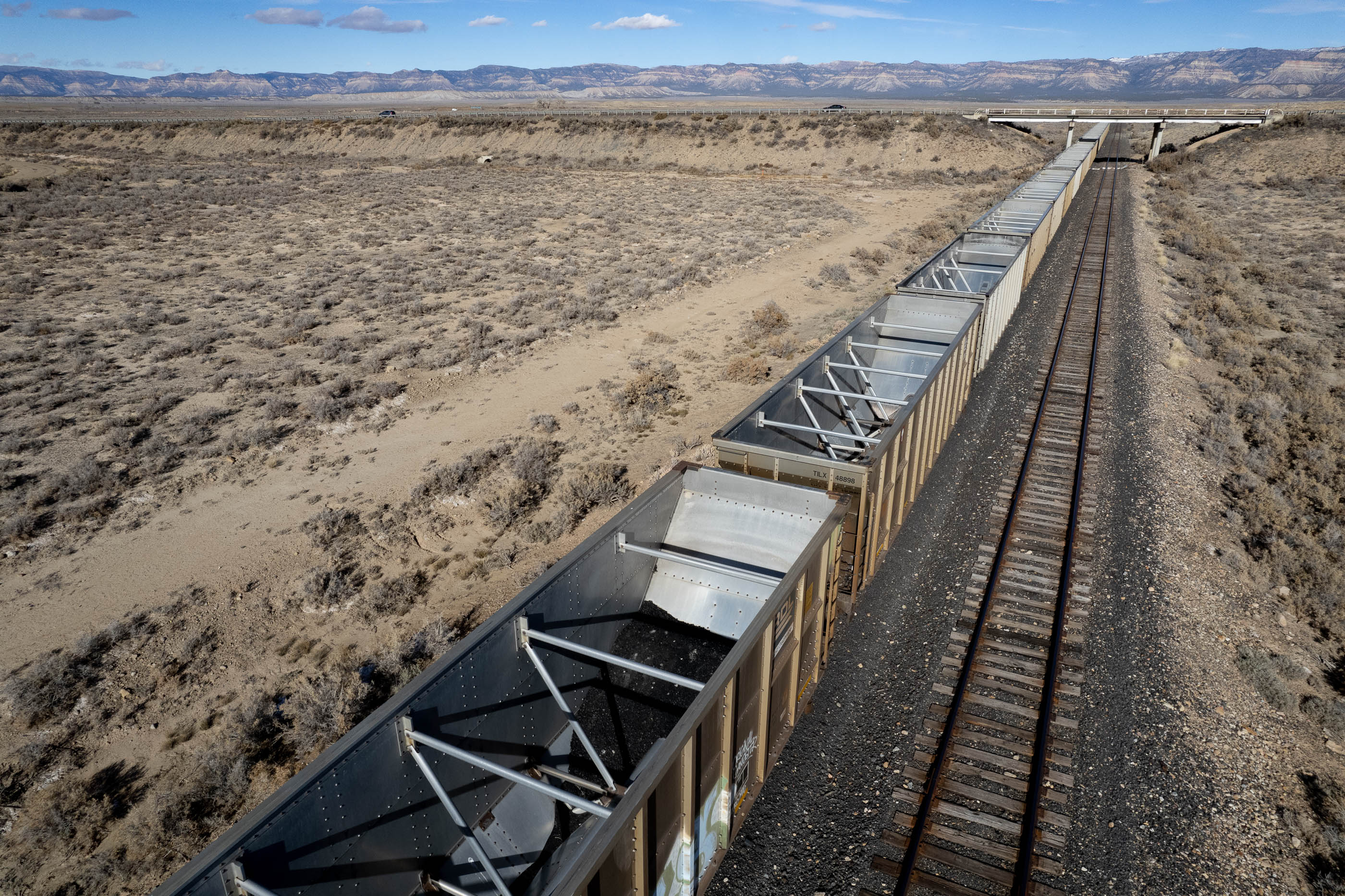
- Carbon County's coal collapse (nearly 10 million tons in 2006, zero since 2023) frames the data center pitch as economic replacement; resident Cindy O'Neil called it "table scraps," while all three county commissioners and Governor Spencer Cox publicly back the projects.
- Utah's SB 132, passed last year, lets private companies with 100+ MW energy demands build their own self-contained generating stations, triggering a surge of gas-fired plant proposals statewide.
- Resident Cheryl Lupo attributes her mother's death to fallout from 1950s Nevada nuclear testing, and Utah State University physicist Robert Davies warned that nuclear plants produce more waste heat than gas plants — a concern for Wellington, which sits in a valley hemmed in by the Wasatch Range and Book Cliffs.
Why it matters: The 456 proposed reactors and up to 3 gigawatts of new gas capacity would land in a single county whose economy already lost its coal base in two decades, with state-backed land leases and a 2024 law enabling private power plants accelerating the shift before residents say they've been heard. The scale is large enough that 3 gigawatts of potential Altigen capacity alone would approach three-quarters of Utah's total statewide electricity use, and the project is being shaped through NDAs that some former planning commissioners say have kept the public in the dark.
Ask SkimNews