Spurs' New Stadium Earns Exclusion From Spending Cap
Get the Sports newsletter
Daily sports — scores, transfers, the storylines from the leagues you actually follow. Free.
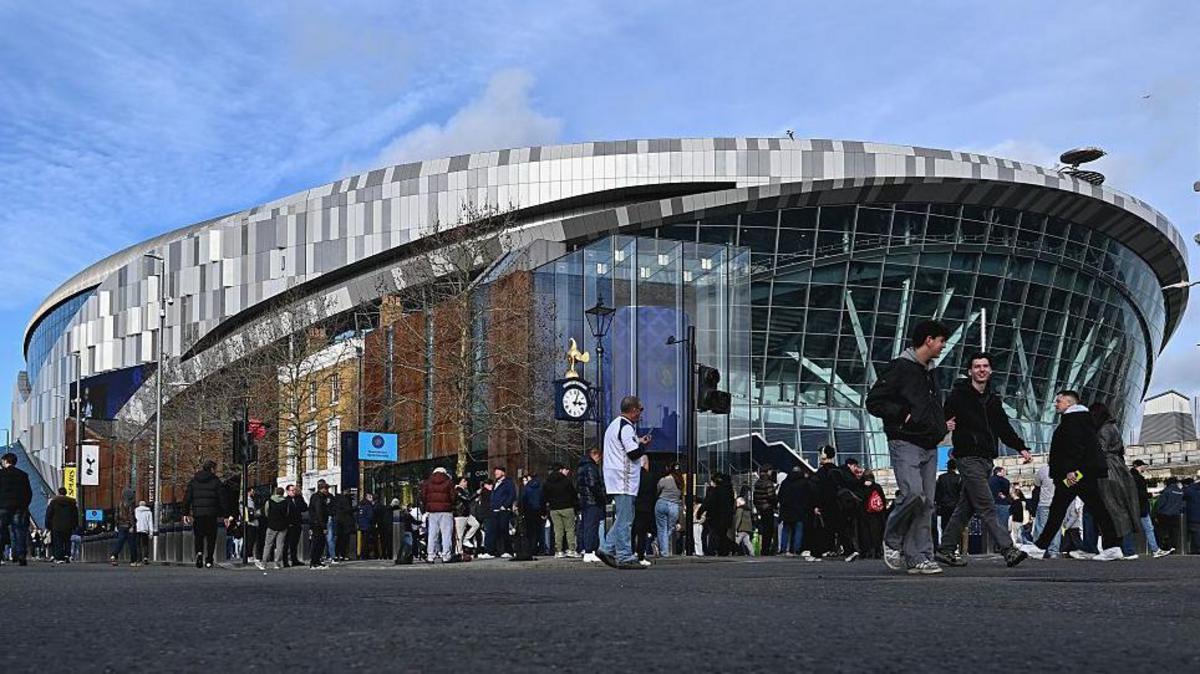
- Tottenham Hotspur's matchday income rose from £45m (2016-17) to £126m (2024-25) and commercial revenue climbed from £73m to £277m, fueled by a new stadium that hosts up to 30 non-football events a year including NFL games, concerts, and Anthony Joshua's 2021 heavyweight bout with Oleksandr Usyk.
- The Premier League's new squad-cost ratio (SCR) framework, replacing PSR this summer, excludes stadium infrastructure costs from the spending calculation — roughly £70m annually for Spurs, according to finance expert Kieran Maguire.
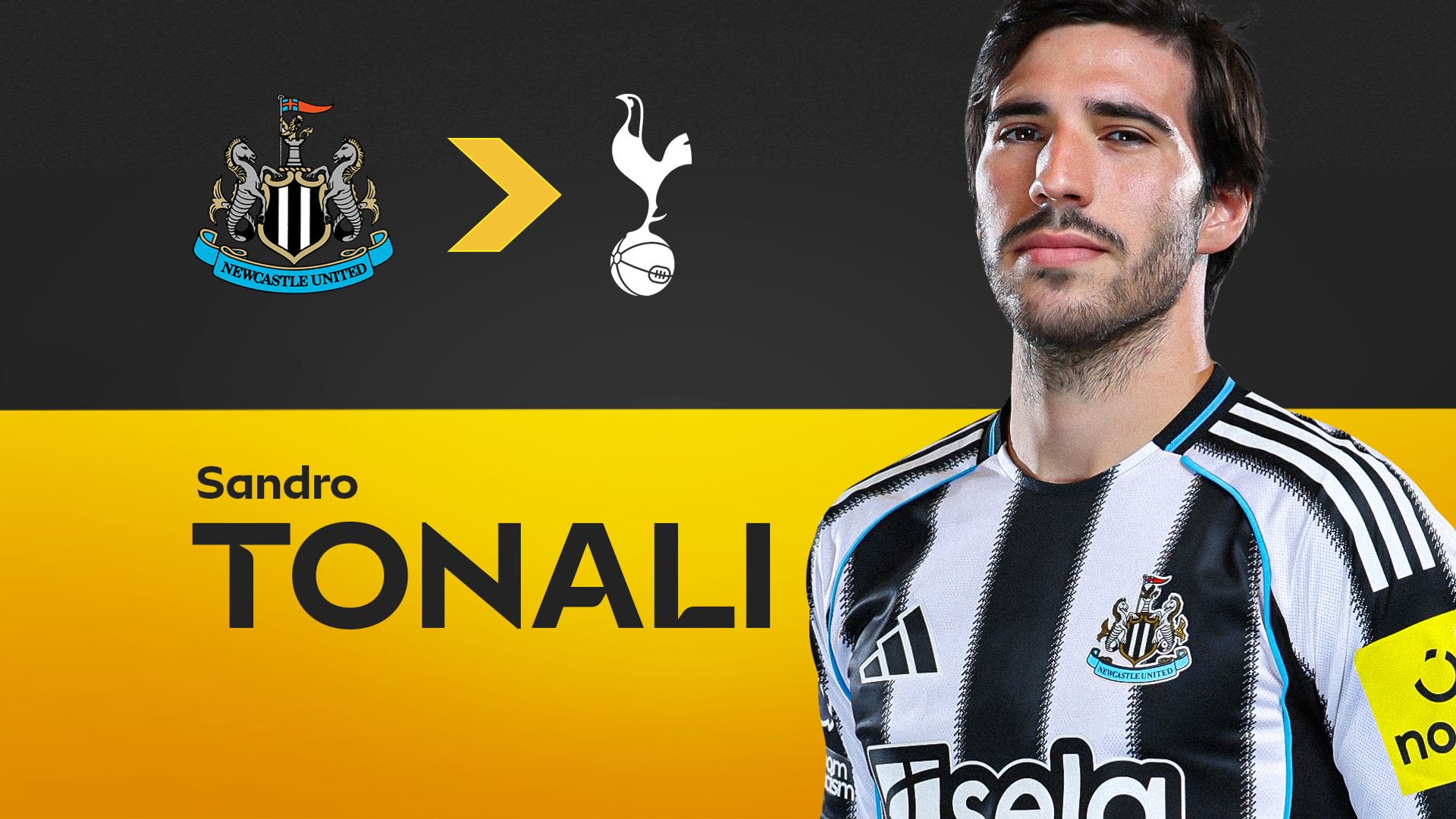
- The revenue lift helped Spurs sign Sandro Tonali last month for a club-record fee that could reach £100m.
- Newcastle United earned just £52m in matchday income in 2024-25, less than a third of Manchester United's £160m and Arsenal's £154m, and effectively had to sell players to stay within financial rules this summer.
- Sir Jim Ratcliffe unveiled plans in March 2025 for a new 100,000-capacity Manchester United stadium, with the build potentially happening off-site so the club can keep playing at Old Trafford during construction.
- Maguire warned the Spurs model depends on a London location and global fanbase that 'isn't going to work elsewhere,' and noted Spurs borrowed from banks at 'spectacularly cheap interest rates' to fund the build.
Why it matters: Premier League clubs with stadium scale now have a structural spending edge under the new squad-cost rules: Spurs generate £126m in matchday income and exclude £70m in infrastructure costs, while Newcastle (£52m matchday) were forced to sell players to stay PSR-compliant. The framework rewards clubs able to borrow cheaply and build, entrenching advantages over rivals without the capital base.
Ask SkimNews