Why are Premier League transfer fees soaring? — SkimNews
Get the Sports newsletter
Daily sports — scores, transfers, the storylines from the leagues you actually follow. Free.
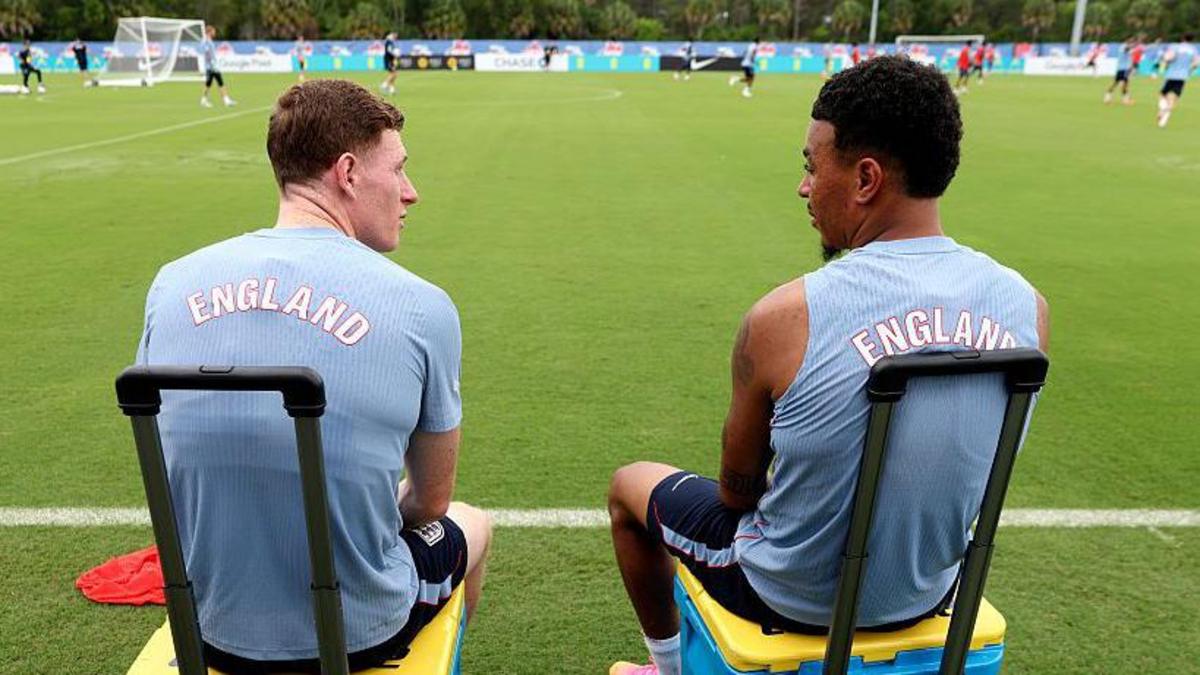
- Chelsea, Manchester City, and Tottenham each agreed £100m+ deals — Morgan Rogers (£117m from Aston Villa), Elliot Anderson (£116m from Nottingham Forest), and Sandro Tonali (£100m) — making this the first Premier League window ever with three such signings.
- Aston Villa and Nottingham Forest leveraged the new Anderson benchmark to demand fees above £116m, with Kieran Maguire explaining that record transfers quickly set the price for comparable domestic players.
- Premier League homegrown player rules require at least eight homegrown players in 25-man squads, creating fierce competition for English talent — Maguire describes domestic players as "oven-ready" since clubs know they can handle the league's physical demands.
- Premier League clubs spent a record £3.19bn in the 2025 summer window, up almost 175% from £1.16bn in 2016.
- The Premier League is transitioning from profitability and sustainability rules (PSR) to a new framework built around squad-cost ratio (SCR) and sustainability and systemic resilience (SSR), tying spending more closely to football-related revenue.
- Champions League qualification is worth an estimated 180m-200m euros (£153m-£170m) in combined prize money, matchday revenue, and commercial bonuses per Maguire, giving clubs a clear financial rationale for investing record sums in recruitment.
- University of Liverpool research co-authored by Maguire suggests Alan Shearer's £15m 1996 move to Newcastle remains the league's biggest transfer relative to clubs' spending power, while Trevor Francis' 1979 £1m deal would equate to about £173m in today's market.
Why it matters: With the homegrown quota premium, the £153m-£170m payoff of Champions League qualification, and a new squad-cost ratio replacing PSR, selling clubs can now extract record fees from domestic rivals while buying clubs amortise nine-figure deals across contracts — turning nine-figure transfers from extraordinary events into routine summer business, with a £200m deal "no longer beyond the realms of possibility."
Ask SkimNews