US Strikes Dozens of Iran IRGC Targets in Two-Hour Operation — SkimNews
Get the Geopolitics newsletter
Daily geopolitics — wars, elections, sanctions, the diplomatic moves that move markets. Free.
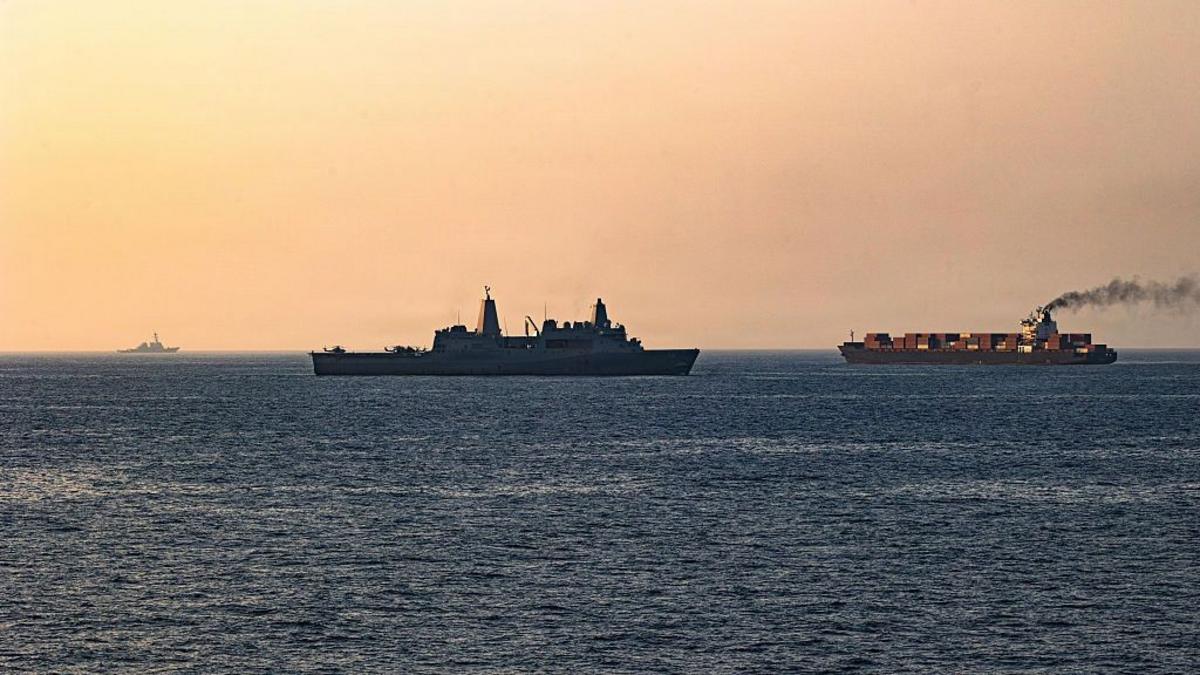
- CENTCOM struck dozens of Islamic Revolutionary Guard targets — including military command centers and drone facilities — in a two-hour operation from 0000–0200 GMT Thursday, saying the strikes aimed to diminish threats to U.S. forces, commercial shipping, and Gulf neighbors.
- Iran fired ballistic missiles at U.S. troops in Jordan, which CENTCOM said were all intercepted; Jordan's armed forces separately said they intercepted five additional missiles aimed at the kingdom.
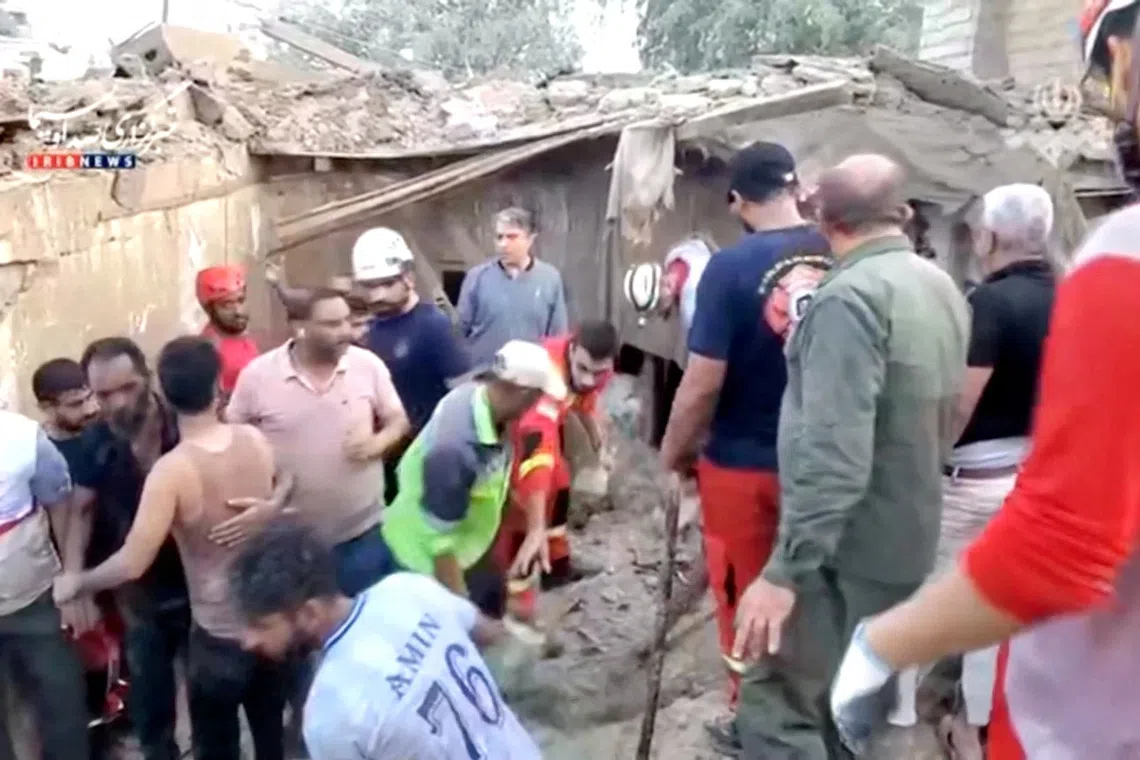
- Iran's state media reported three people were killed in U.S. strikes on Qeshm Island, while U.S. and Saudi forces conducted their first publicly joint strikes on Iran-aligned groups in eastern Iraq, killing at least 20 Popular Mobilisation Forces members.
- A drone hit a U.S.-owned gas storage tanker at Egypt's Mediterranean port of Damietta, confirmed by British maritime security firm Ambrey; Egypt's Petroleum Ministry acknowledged a fire but made no mention of a drone attack.
- Saudi Arabia's defense minister met Vice President JD Vance in Washington to urge the Trump administration against further escalation, warning that attacking Yemen's Houthis or more strikes on Iraq militias would open the door to "major unknown risks."
- Iran claimed it struck three tankers attempting unauthorized passage through the Strait of Hormuz and rejected an Omani-brokered Gulf-state proposal to manage the waterway; Brent crude futures spiked more than 8% above $90 a barrel on Wednesday before retreating Thursday.
Why it matters: The conflict has now drawn in Iran, Iraq, Jordan, Saudi Arabia, and Egypt in a single news cycle — with Riyadh publicly joining strikes alongside Washington for the first time. Saudi Arabia's simultaneous private push to restrain escalation reveals a coalition partner hedging its bets, while Iran's rejection of the Omani Strait of Hormuz plan keeps the chokepoint — which carries a fifth of global oil and LNG — at the center of both the fighting and the failing peace track.
Ask SkimNews