NVIDIA DLSS 5: 4K 60fps in 16ms, 3 Tunable Models — SkimNews

Get the Tech newsletter
Daily tech — startups, AI labs, chips, the launches that shape the next decade. Free.
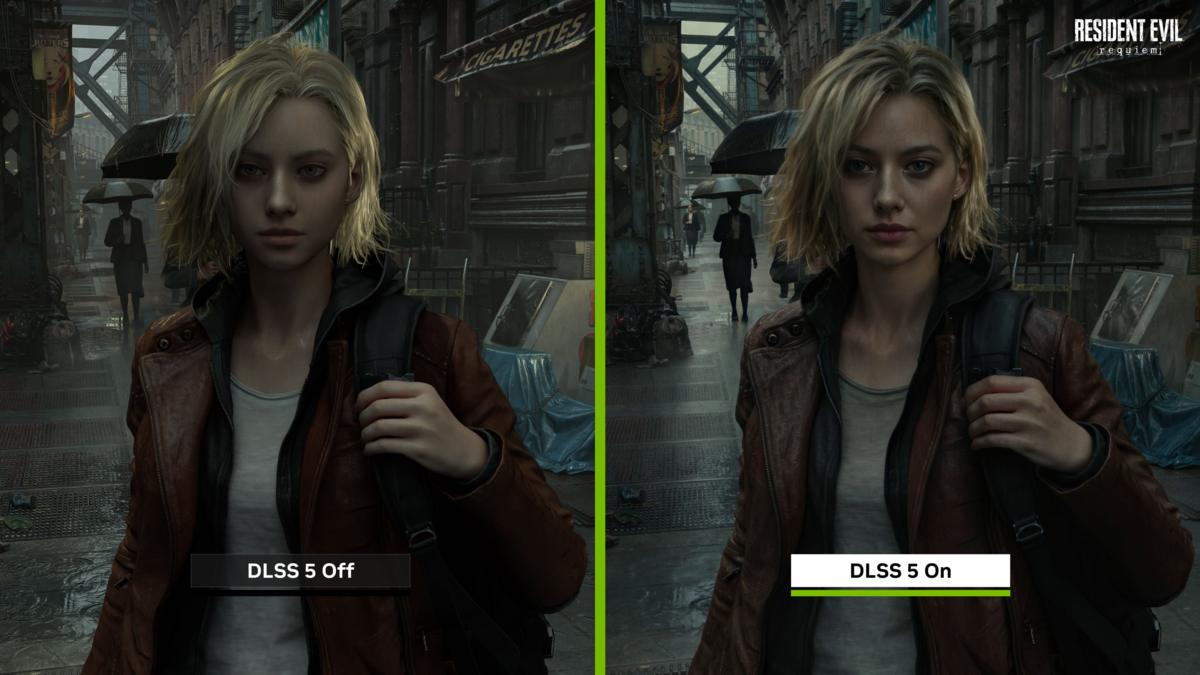
- NVIDIA demonstrated DLSS 5 at SIGGRAPH 2026 in Los Angeles on July 21, 2026, pressing forward with development despite the initial demo's negative gamer reception.
- DLSS 5 offers developers three models (A, B, C) with differing parameter counts and compute intensity, mixable per scene or per character to tune structural intensity, global illumination, and texture detail.
- DLSS 5 preserves artistic intent through per-object and per-scene customization, maintaining visual identity, character poses, lighting semantics, motion, and art direction while applying material photorealism.
- NVIDIA's temporal streaming approach uses game engine motion vectors to generate textures frame-by-frame instantly, avoiding the chunked batch processing typical of generative AI video tools and eliminating shimmer.
- DLSS 5 renders 4K frames (8.3 million pixels) at over 60 FPS in under 16ms on a single GPU, with most of that budget consumed by the game engine rather than the neural model itself.
- NVIDIA highlighted VRAM efficiency but left open whether 4K DLSS 5 will be limited to high-VRAM GPUs, promising general system requirements alongside the fall launch.
Why it matters: NVIDIA is betting that three tunable models and per-scene artistic controls can win back gamers who rejected the first DLSS 5 demo. The 4K/60fps-in-16ms-on-a-single-GPU claim, if it holds at the fall launch, would keep NVIDIA's neural rendering pipeline accessible without flagship hardware — but the unanswered VRAM requirements remain the gating question for mainstream adoption.
Ask SkimNews