Over 100 women's hoops players join union push — SkimNews
Get the Sports newsletter
Daily sports — scores, transfers, the storylines from the leagues you actually follow. Free.
- United College Athletes Association announced Friday that over 100 women's college basketball players signed union authorization cards, making them the largest group of college athletes to formally push for collective bargaining with their schools.
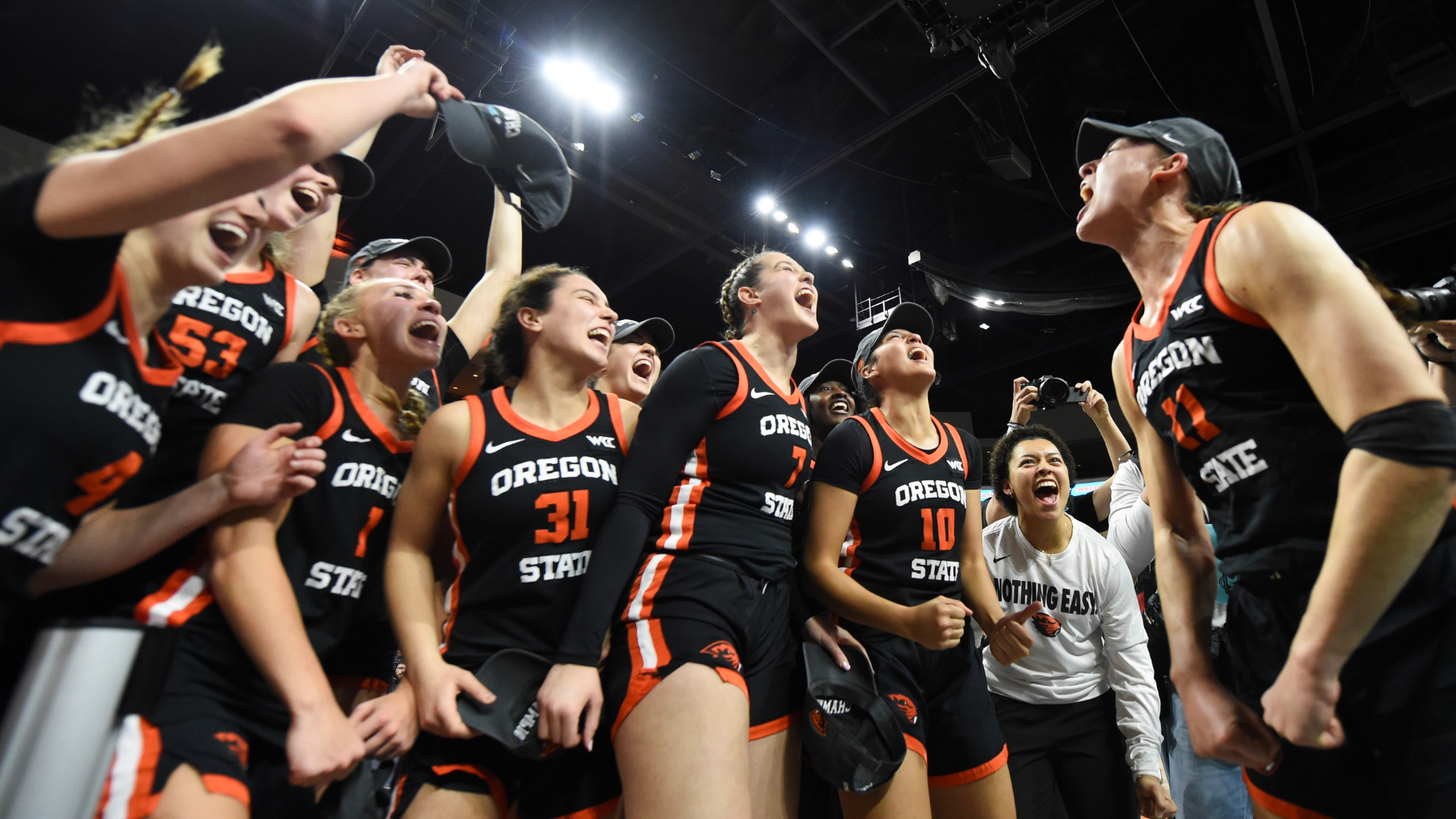
- Oregon State's basketball team filed a petition Friday to be recognized as a union — with 10 of its 13 players having signed cards — making it the first school to formally face the campaign after six months of quiet organizing.
- UCAA plans to negotiate for better pay, safety mandates, and academic protections, and ultimately wants a master agreement covering all college athletes with sport-specific supplements, mirroring common labor structures outside sports.
- Oregon State senior Jenna Villa and Maryland's Oluchi Okananwa, both on UCAA's 10-person interim executive committee, said athletes want "a seat at the table" and called themselves "professional athletes" despite NCAA opposition to that framing.
- Prior unionization efforts fizzled — Northwestern football in 2015 hit a public-private obstacle, while Southern California and Dartmouth men's basketball drives collapsed in late 2024 after the Trump administration installed a more conservative NLRB.
- UCAA chose Oregon for its launch because of labor-friendly state laws; if Oregon State declines voluntary recognition, players will have to petition the Oregon Employment Relations Board, the state agency that regulates public employee unions.
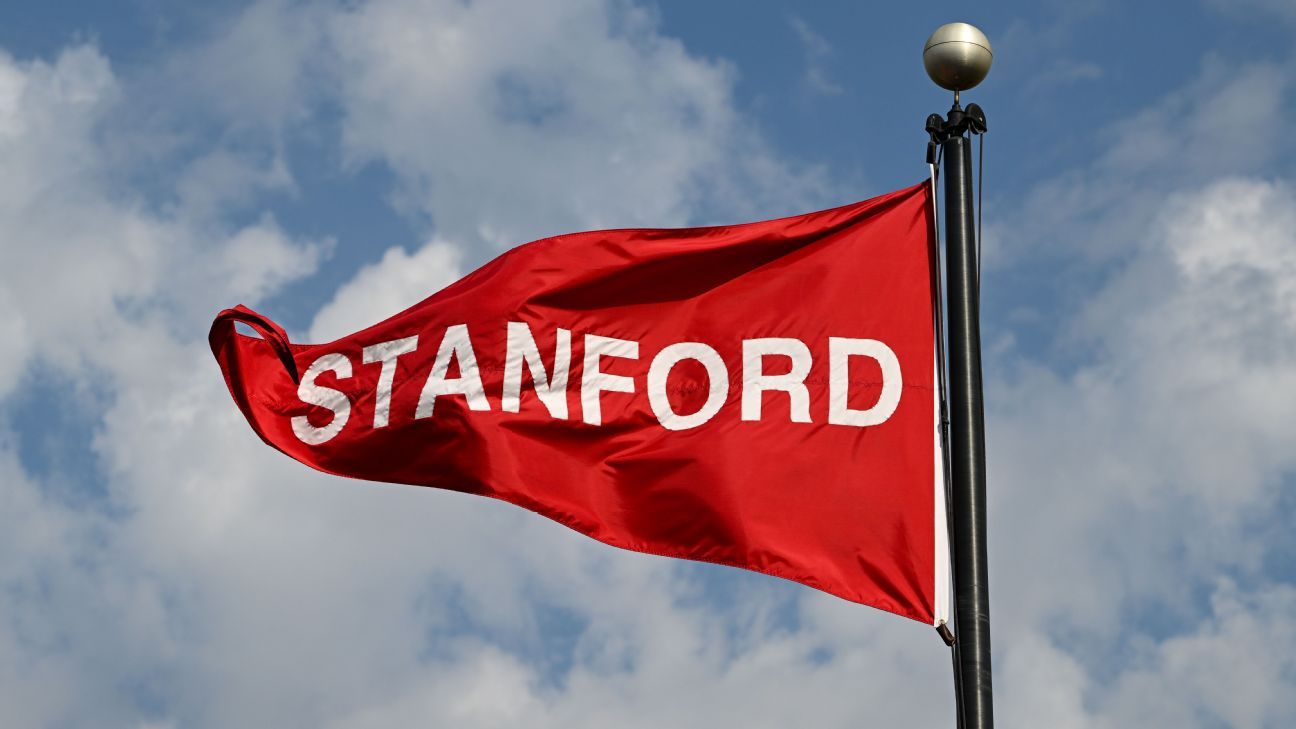
- Stanford football players announced earlier this week they are forming a campus chapter of a separate college football players' association, signaling that unionization organizing is spreading across multiple sports simultaneously.
Why it matters: Oregon State's petition is the first concrete test of whether any school will voluntarily recognize college athletes as employees for collective bargaining. With a federal NIL framework unlikely from Congress and the NLRB now more conservative after Trump-era appointments, organizing now runs through state labor boards — giving labor-friendly states like Oregon a structural advantage and creating a patchwork system where athletes' bargaining rights depend on where their school happens to sit.
Ask SkimNews