Crohn's, UC guts can't clear oxalate from healthy foods — SkimNews
Get the Health newsletter
Daily health & science — research, biotech, public health, the studies worth knowing. Free.
- UNC School of Medicine researchers published a study August 13, 2026 in Cellular and Molecular Gastroenterology and Hepatology showing that two oxalate transporter proteins, SLC26A2 and SLC26A3, were consistently expressed at lower levels in intestinal tissue from both ulcerative colitis and Crohn's patients — regardless of whether active inflammation was present.
- Crohn's patients had significantly higher stool oxalate levels than healthy controls despite eating similar amounts of plant-based foods, a finding the team confirmed using both a validated dietary questionnaire and DNA metabarcoding — the first time metabarcoding has been used to evaluate diet in an IBD population, per postdoctoral scholar Anna Salvador.
- Mice given an oxalate-supplemented diet alongside a colitis-inducing substance were 60% less likely to survive than mice without extra dietary oxalate, and in two genetically susceptible mouse models, dietary oxalate caused colitis to appear earlier and progress more severely.
- Oxalate intensified inflammatory responses in cultured macrophages and dendritic cells, adding a cellular mechanism to the animal and patient evidence linking the compound to gut inflammation.
- Low expression of a third transporter, SLC26A6, was associated with stricturing Crohn's disease — nearly 75% of patients with reduced SLC26A6 had this aggressive scarring form — though researchers said the exploratory finding needs confirmation in larger cohorts.
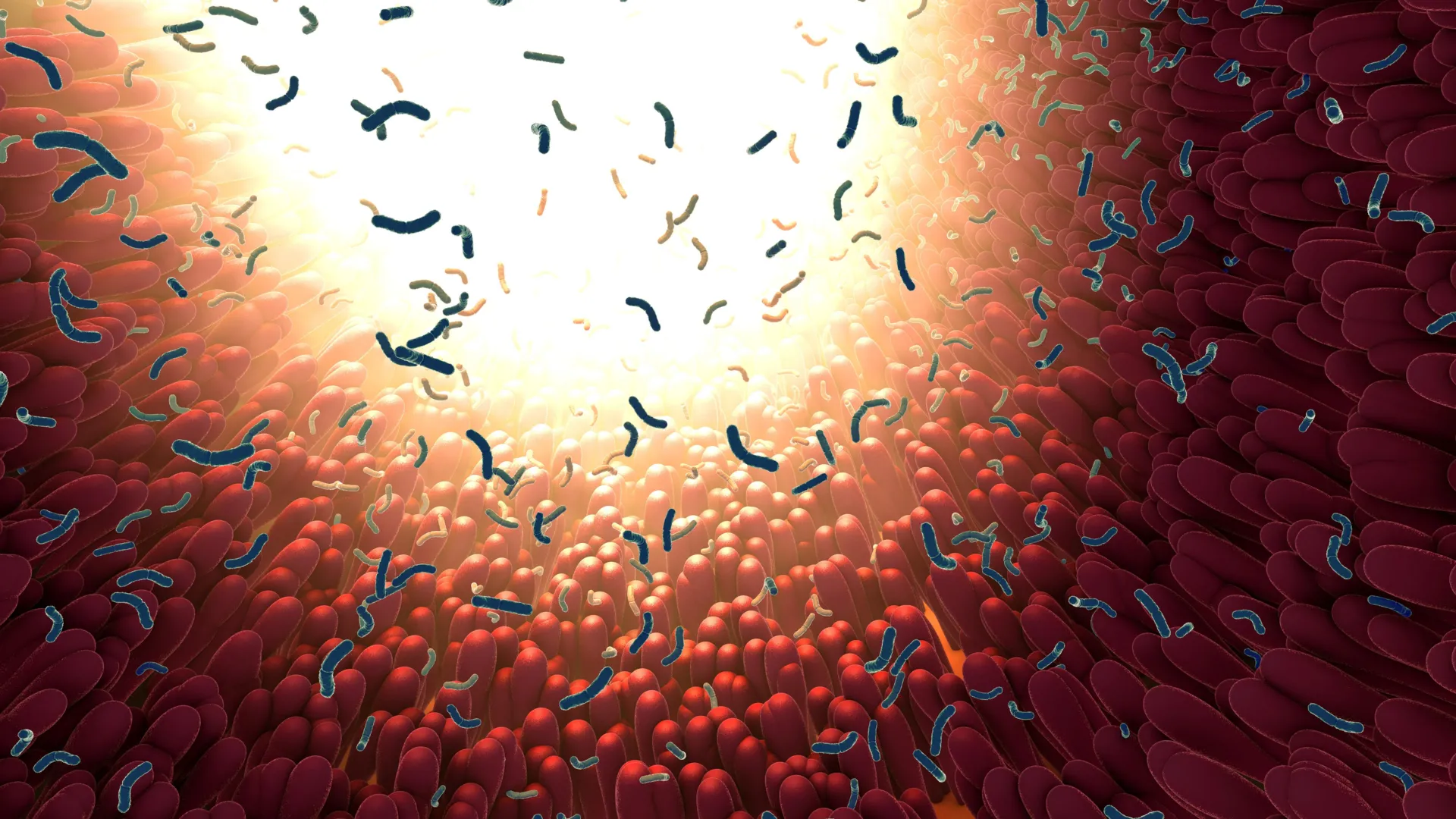
- Oxalobacter formigenes, a gut bacterium that degrades oxalate, is less abundant in people with IBD, raising the prospect of microbiome-based therapies as an alternative to broad dietary restriction, according to senior author Shehzad Z. Sheikh.
- Funders included the Helmsley Charitable Trust, NIDDK, the Chan Zuckerberg Initiative, Schmidt Sciences, the Burroughs Wellcome Fund, and additional NIH sources, with co-authors from UNC-Chapel Hill, Texas A&M, and Duke.
Why it matters: The 60% survival drop in oxalate-fed colitic mice and the 75% rate of stricturing disease among patients with low SLC26A6 give the UNC team concrete biomarkers — not just dietary advice — to pursue: oxalate-transporter expression as a risk stratifier for aggressive Crohn's, and Oxalobacter formigenes restoration as a tractable microbiome therapy for a patient population with limited treatment options.
Ask SkimNews