Probiotics Ease Some Ageing Gut Issues, Not — SkimNews

Get the Health newsletter
Daily health & science — research, biotech, public health, the studies worth knowing. Free.
- Dysbiosis in ageing guts shifts the microbial balance toward pathogenic Enterobacteriaceae (E. coli, Salmonella, Shigella) and away from fiber-fermenting, anti-inflammatory species, reducing overall biodiversity.
- The resulting "inflammaging" cycle — pathogens breaching the gut wall, provoking chronic immune response, further damaging gut immunity — has been linked to diseases of the brain, liver, kidneys, muscle, bone, fat, and lungs.
- María Branyas Morera, studied by Spanish researchers at 116 and the world's oldest living person until her death in August 2024 at 117 years and 168 days, had a gut microbiome characteristic of a much younger person, rich in the anti-inflammatory genus Bifidobacterium.
- At-home microbiome testing kits sold by private companies are of limited use, according to a US National Institute of Standards and Technology analysis of seven kits led by Stephanie Servetas, which found diagnostic results vary widely between providers.
- A Mediterranean-style diet — vegetables, legumes, fruits, nuts, cereals, fish, and olive oil — boosts beneficial bacteria tied to reduced inflammation, lower frailty, and better cognitive performance in a year-long clinical trial cited by Andrea Ticinesi of the University of Parma's Microbiome Research Hub.
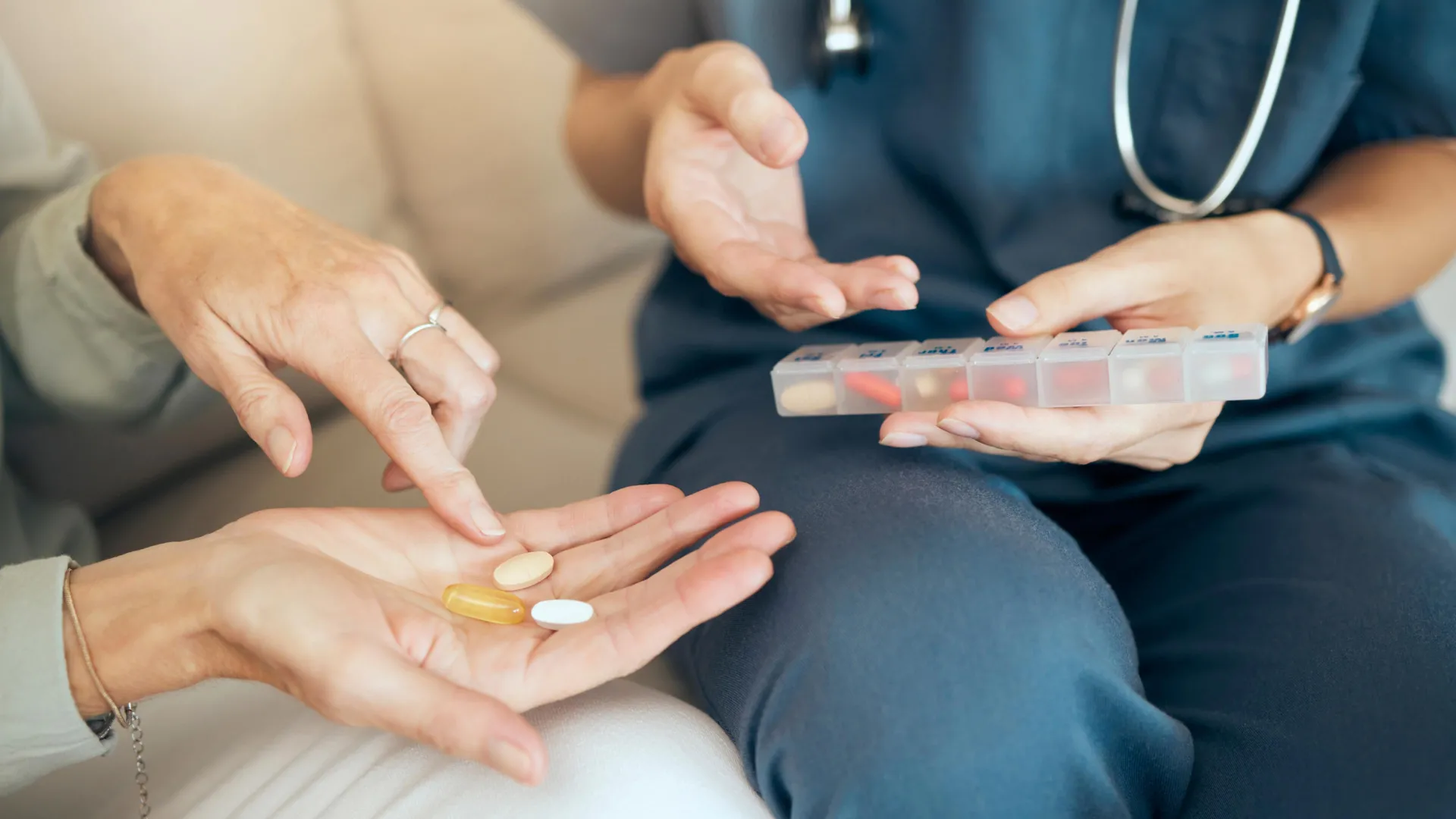
- Probiotics containing Bifidobacteria and Lactobacilli have shown clinical-trial promise for muscle wasting and mild cognitive impairment in older adults, but don't appear to make inroads into inflammaging.
- Evidence for prebiotics and postbiotics remains lacking, while good sleep and exercise also produce documented improvements in the gut microbiome.
Why it matters: For adults entering later life, the article's most actionable finding is that a Mediterranean-style diet — not supplement pills — has the strongest evidence for reshaping the ageing gut. Probiotics address downstream symptoms like muscle wasting and cognitive impairment, but neither they nor pre/postbiotics touch the inflammaging cycle that the source links to diseases of the brain, liver, kidneys, muscle, bone, fat, and lungs.
Ask SkimNews