KLIA cleared pilot later caught with drugs in Indonesia: AKPS — SkimNews
Get the Geopolitics newsletter
Daily geopolitics — wars, elections, sanctions, the diplomatic moves that move markets. Free.
- AKPS director-general Mohd Shuhaily Mohd Zain said the pilot underwent all required screening before boarding on July 28 and that scanner machines produced no suspicious images, so the bag was cleared under standard operating procedures without secondary screening.
- Shuhaily explained KLIA's screening system combines artificial intelligence with human judgment — the scanner assigns an automatic risk level, but the final decision to flag or clear rests with the screening officer.
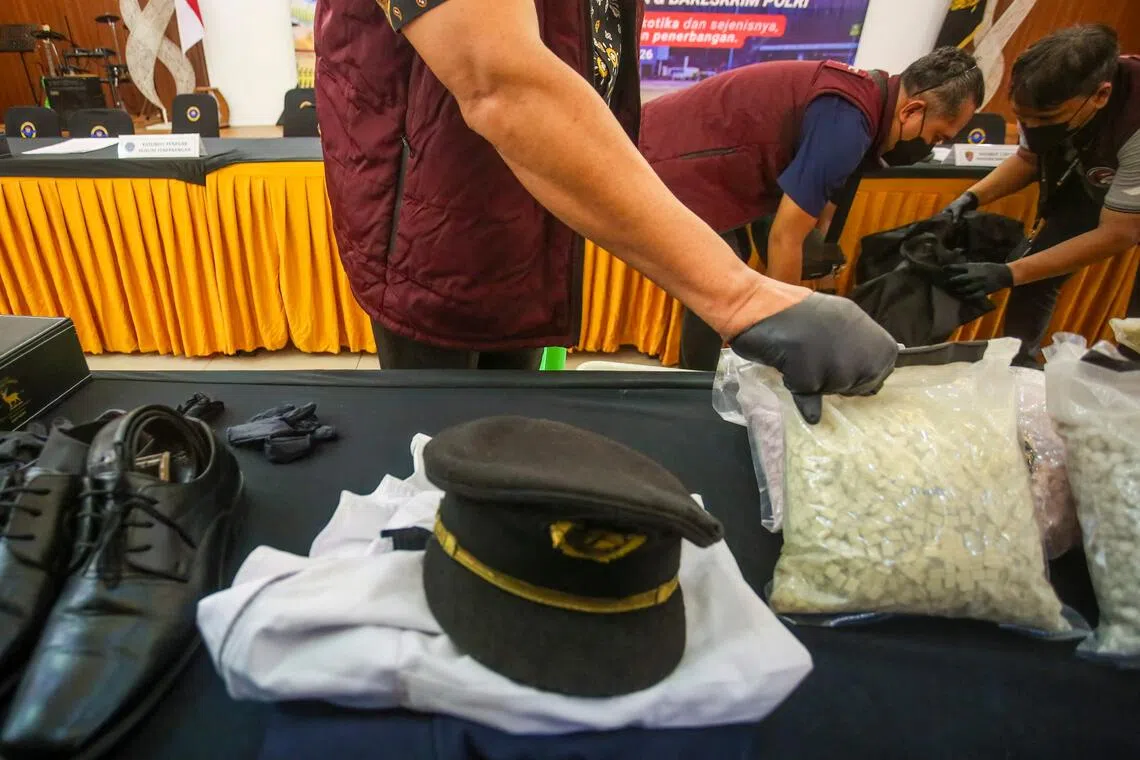
- Shuhaily suggested the drugs may have been concealed in a manner undetectable by the scanner and deferred to police to determine how the pilot evaded detection, noting Malaysia's Narcotics Crime Investigation Department is sending an officer to liaise with Indonesian authorities.
- Shuhaily defended AKPS personnel competency, citing numerous prior interceptions of drugs and prohibited items, while conceding improvements to systems and equipment will be considered once the investigation concludes.
- Shuhaily said he would not shield any AKPS officer if investigators confirm an inside job or 'counter setting' — a reference to tampering with screening equipment — and pledged full transparency to media.
- AKPS held a same-day joint meeting with airport stakeholders, security agencies and ministries to review protocols following the arrest, according to Shuhaily.
Why it matters: The episode exposes a gap in KLIA's AI-assisted baggage screening against concealment methods the scanner cannot detect, prompting an immediate inter-agency review of protocols and a criminal probe across two countries. If investigators confirm insider tampering, the case carries direct consequences for AKPS personnel integrity and public trust in Malaysia's primary international gateway.
Ask SkimNews