U.S. Strikes Iran; Trump Vows More for Retaliation — SkimNews

Get the Geopolitics newsletter
Daily geopolitics — wars, elections, sanctions, the diplomatic moves that move markets. Free.
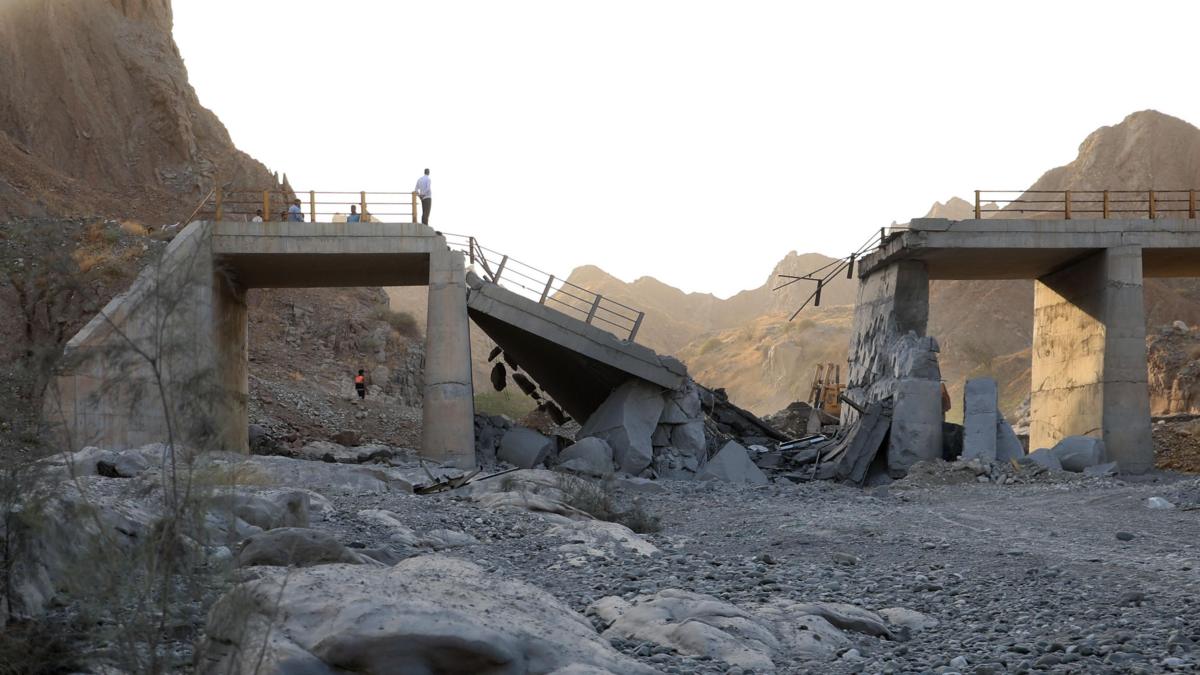
- U.S. Central Command struck Iranian air defense sites, radar systems, and maritime assets on Tuesday, and one strike hit a home hosting a wedding in Kuhestak in Hormozgan Province, killing five people including a child and wounding at least 68, per the province's deputy governor.
- Trump warned Iran would be hit "at a much harder and higher level" if it retaliated, then wrote on social media that he "couldn't care less" about a deal, citing "almost total control of the Hormuz Strait" and Iran's "economy totally collapsing."
- Iran fired ballistic missiles at Jordan claiming to target a U.S. base on the Gulf of Aqaba coast; Jordan's military said it shot down 10 of the missiles with the three remaining landing in unpopulated areas, and explosions were seen over Aqaba.
- Iran's Armed Forces General Staff and the Revolutionary Guard vowed "crushing and devastating blows" and said the strikes had tightened Iran's effective closure of the Strait of Hormuz, through which 20% of the world's oil normally flows.
- Oil prices have climbed about 7% this week and more than 50% year-to-date, lifting U.S. regular gasoline to $4.10 per gallon from $3.19 a year earlier, per AAA.
- Iranian President Masoud Pezeshkian, speaking at the Shanghai Cooperation Organization summit in Kyrgyzstan, said Iran would immediately return to the June interim ceasefire deal if the U.S. reciprocated; that deal collapsed soon after its 60-day negotiation window opened.
Why it matters: The strikes and Iranian retaliation across three neighboring countries risk reigniting a six-month war after a month-long pause, while crude's 50%+ annual surge and $4.10/gallon gasoline hit American consumers and compound political pressure on Republicans ahead of November's midterms. Trump dismissed Pezeshkian's explicit ceasefire offer, preferring escalation over diplomacy.
Ask SkimNews