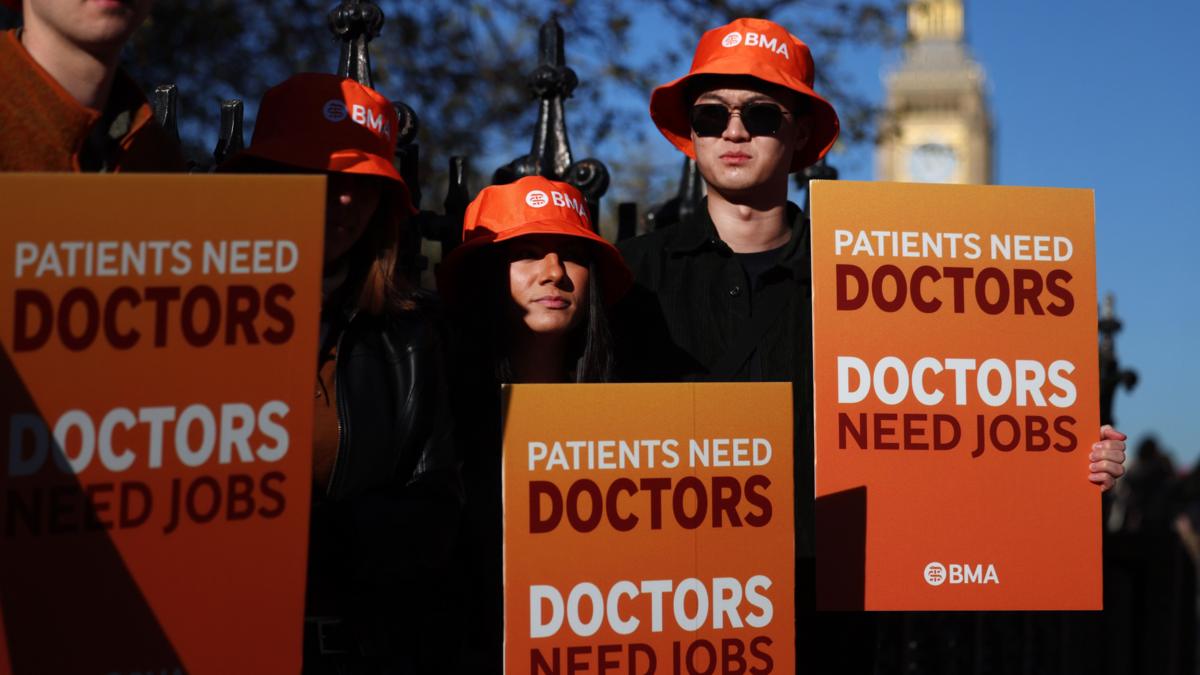
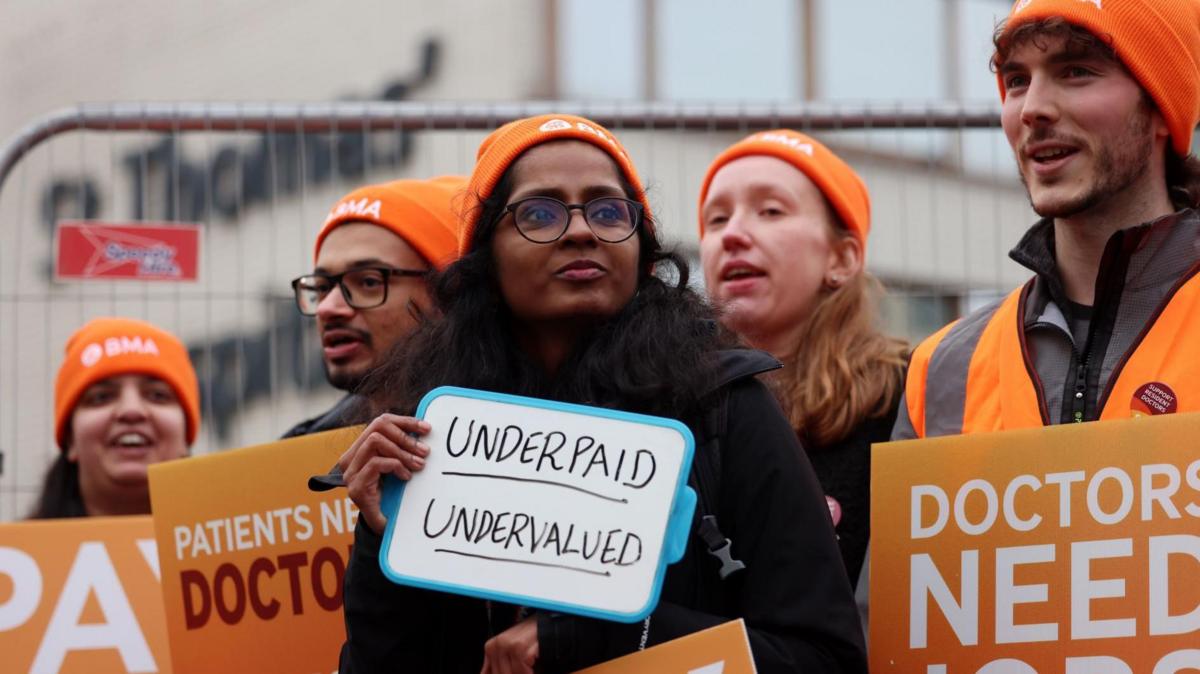
England Resident Doctors End Strike After Pay Deal Vote — SkimNews
Get the Health newsletter
Daily health & science — research, biotech, public health, the studies worth knowing. Free.
- BMA resident doctors voted 53%–47% to accept the offer, with 57% turnout from 32,932 eligible members voting in the referendum.
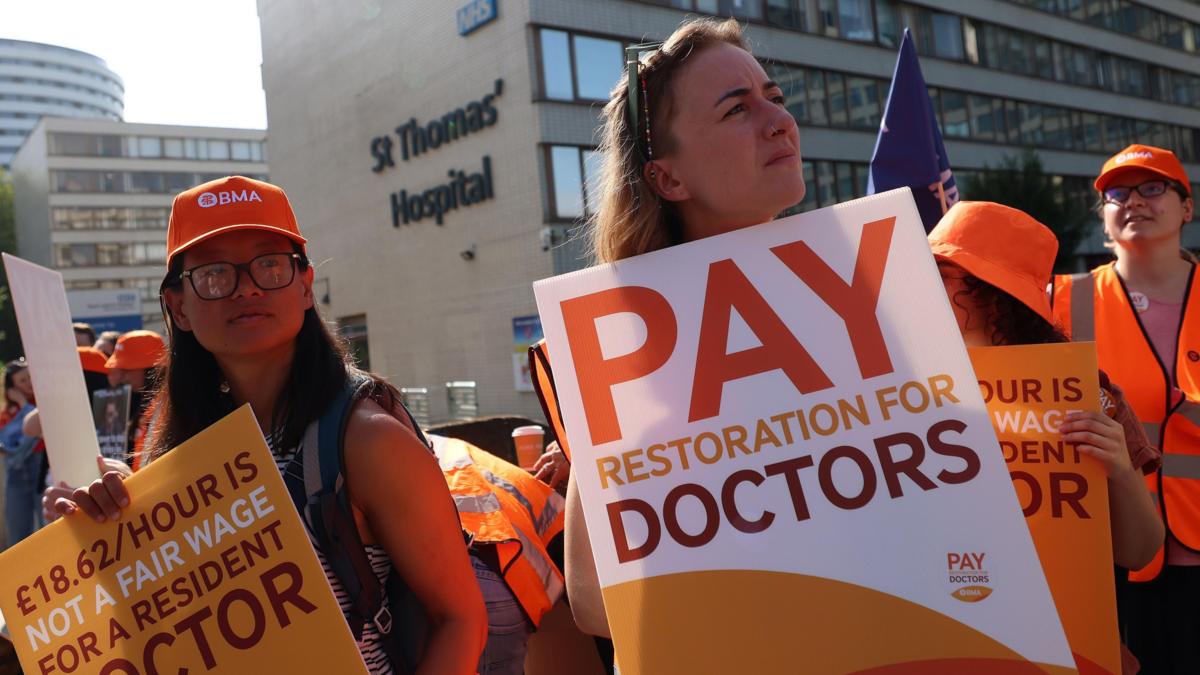
- The government deal includes a 3.5% pay rise this year, backdated to 1 April 2026, averaging 4.9% under the wider package and growing to 6.6% by April 2027.
- Starting salaries will be just over £40,000, with the most senior resident doctors earning £76,500 in basic pay, plus thousands more for unsociable hours.
- The package also promises 4,500 extra training places for newly qualified doctors and covers out-of-pocket exam fees.
- BMA resident doctors committee chair Dr Jack Fletcher said "These strikes did not need to happen," blaming the government for time "at loggerheads" when a solution was achievable.
- Industrial action over the past three years cancelled hundreds of thousands of patient appointments, according to the BBC.
- Disparity across the UK: Scotland's resident doctors accepted the offer, Wales is resolving disputes without striking, and Northern Ireland begins a 24-hour strike on 29 June at 07:00 BST.
Why it matters: The deal ends a three-year standoff that had cancelled hundreds of thousands of NHS appointments, restoring normal service for patients. Resident doctors — nearly half of England's medical workforce — now receive a backdated 4.9% average pay rise and 4,500 new training places, but the uneven UK picture means Northern Ireland is striking on 29 June even as England returns to work.
Ask SkimNews