Iraq’s semi-autonomous Kurdish region suffers as US-Iran war drags on

Get the Geopolitics newsletter
Daily geopolitics — wars, elections, sanctions, the diplomatic moves that move markets. Free.
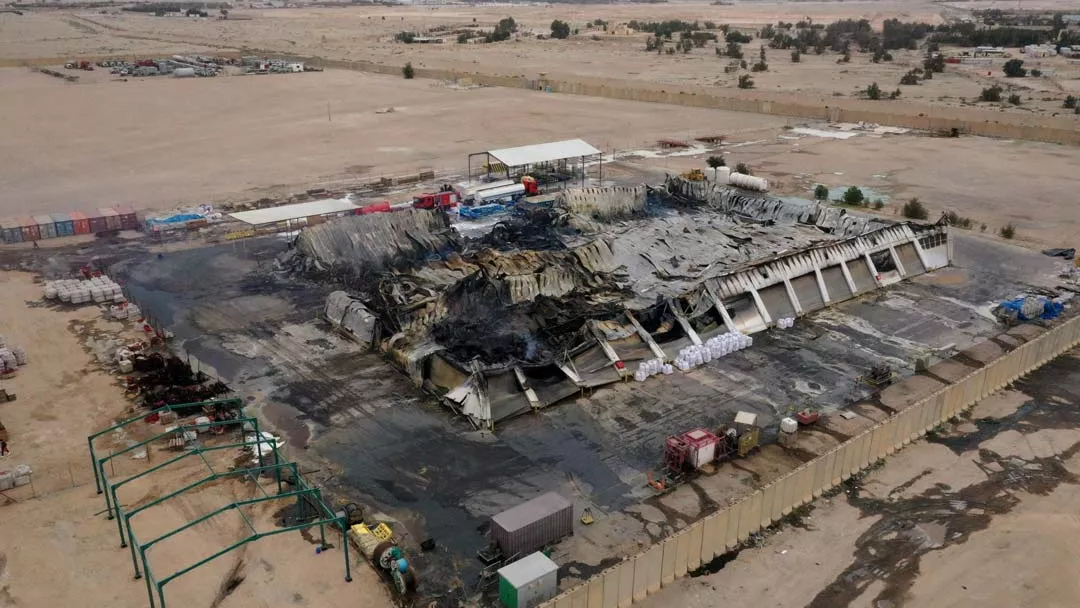
- Kurdistan Regional Government PM Masrour Barzani told Al Jazeera the region has been "targeted more than 1,000 times by missiles and drones directly from Iran or from inside Iraq by some of the militias," with casualties and infrastructure damage.
- KRG data shows a 70 percent decrease in trade across the Kurdish region, with estimated losses through April of 1.5 trillion Iraqi dinars ($1.14bn), per KRG spokesman Peshawa Hawramani.
- Iraq's Ministry of Oil declared force majeure on all oilfields developed by foreign companies, halting most crude exports due to Strait of Hormuz disruptions and ordering no compensation to the firms under contract.
- Kurdish oil output collapsed from a contracted 200,000 barrels daily (under a Baghdad agreement) to just 30,000 barrels, per economy researcher Aland Kareem Salih.
- Iranian bombardment hit the Khor Mor gasfield, disrupting electricity across the Kurdish region; non-oil revenues also fell roughly 70 percent and real estate prices dropped 15-20 percent, per Salih.
- Named Iran-backed militias — Iraqi Hezbollah, Sayyid al-Shuhada Battalions, Imam Ali Battalions, and al-Nujaba Movement — have been launching attacks from the Nineveh Plains and areas near Kirkuk and Salah al-Din, per security expert Jabbar Yawar.
Why it matters: A region that explicitly refused to join the war is absorbing its gravest consequences: $1.14 billion in damages, Kurdish oil output cut by 85% (200,000 to 30,000 barrels daily), and over 1,000 strikes. Baghdad has been given the names of the attacking militias but has taken no action against them, leaving Erbil exposed with no comprehensive air defenses.
Ask SkimNews