Watch the level of coercion as Russians vote in wartime elections — SkimNews

Get the Geopolitics newsletter
Daily geopolitics — wars, elections, sanctions, the diplomatic moves that move markets. Free.
- United Russia is polling at roughly 32%, the party's lowest figure since the February 2022 invasion, though the number is likely inflated by voters' reluctance to reveal their opposition to pollsters.
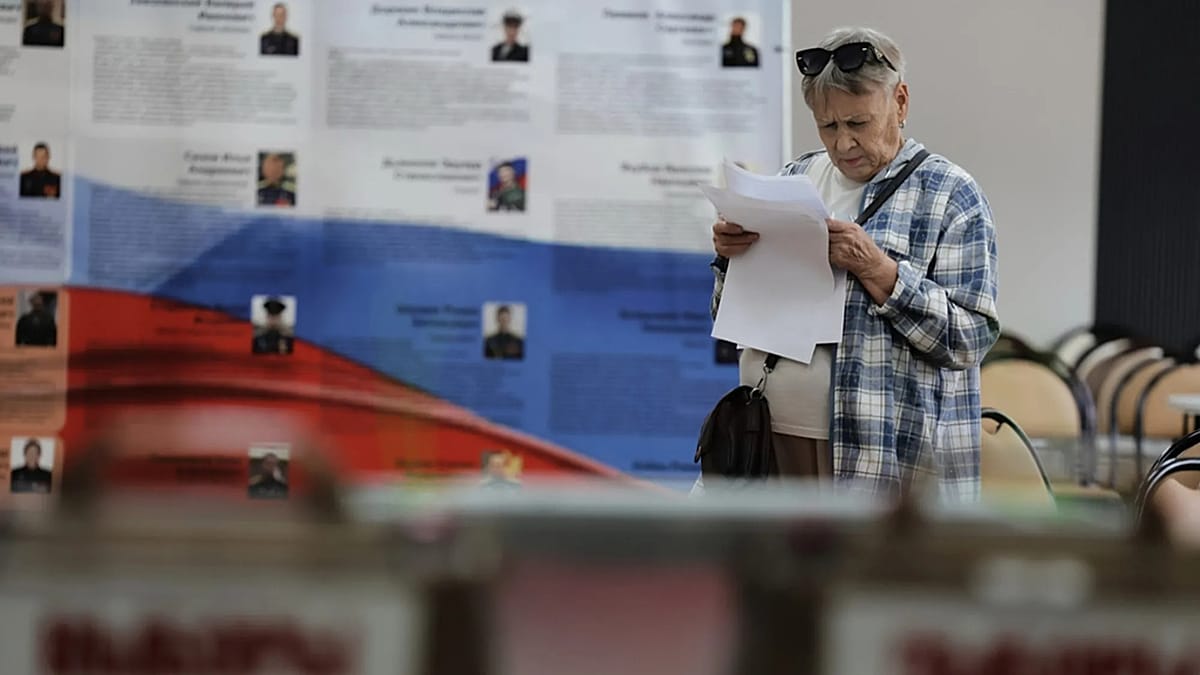
- Russia's parliamentary elections are scheduled for September 18-20, 2026, spread across three days with significant online voting, almost no independent observers after GOLOS was disbanded, and no European monitors invited.
- Yabloko, the only anti-war party initially approved to compete, was removed by the Central Election Commission after losing a Supreme Court appeal; deputy leader Lev Shlosberg was sentenced to 11 years for "fakes against the military."
- The Kremlin controls who competes through an artificial party system of 18 parties, though only 10 Kremlin-approved parties will appear on the ballot to absorb opposition votes without threatening United Russia's majority.
- Navalny's Anti-Corruption Foundation, operating in exile after being declared extremist in 2021, is preparing a modified "Smart Vote" strategy to coordinate protest voting — including writing in "Yabloko" or spoiling ballots.
- Russian voters enter the election facing rising inflation, increasing unemployment in many regions, Ukrainian drone strikes on energy and retail infrastructure, and fuel shortages disrupting the harvest — with war casualties disproportionately concentrated in rural areas.
Why it matters: The Kremlin's anxiety isn't about losing the September vote but about the margin: a thin win or low turnout would publicly expose discontent with the war, turning a tightly choreographed ballot into a barometer of suppressed opposition rather than a genuine democratic exercise.
Ask SkimNews