Great Egrets Recover in British Fens After Near-Extinction — SkimNews

Get the Energy newsletter
Daily energy & climate — solar, EVs, oil, the policy fights and tech bets shaping the transition. Free.
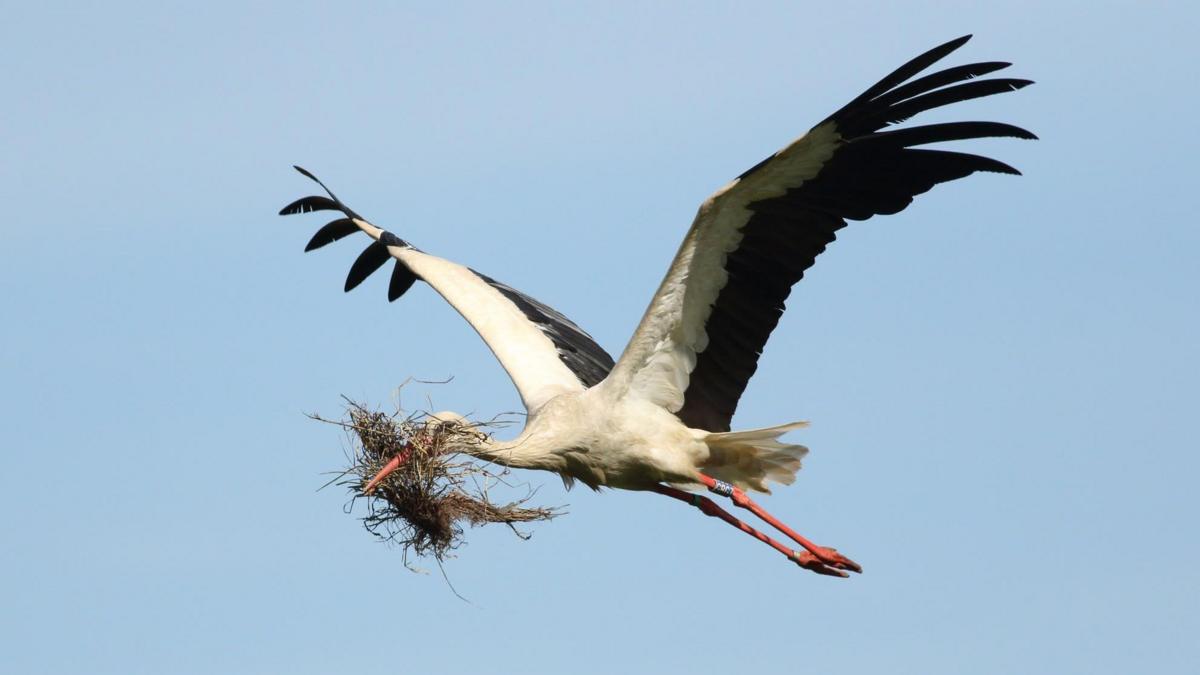
- Great egrets were spotted hunting voles across a parched field of dead thistles in the Cambridgeshire fens, 13 of the freshwater-marsh birds sighted far from their usual wetland habitat during summer drought
- The species was driven to the edge of extinction by the Victorian trade in feathers for haute couture, then recovered across Europe and colonised UK shores at the start of the 21st century, with first confirmed breeding in 2010
- The UK population grew to 24 nesting pairs by 2019, with winter totals potentially reaching four figures according to the diary entry
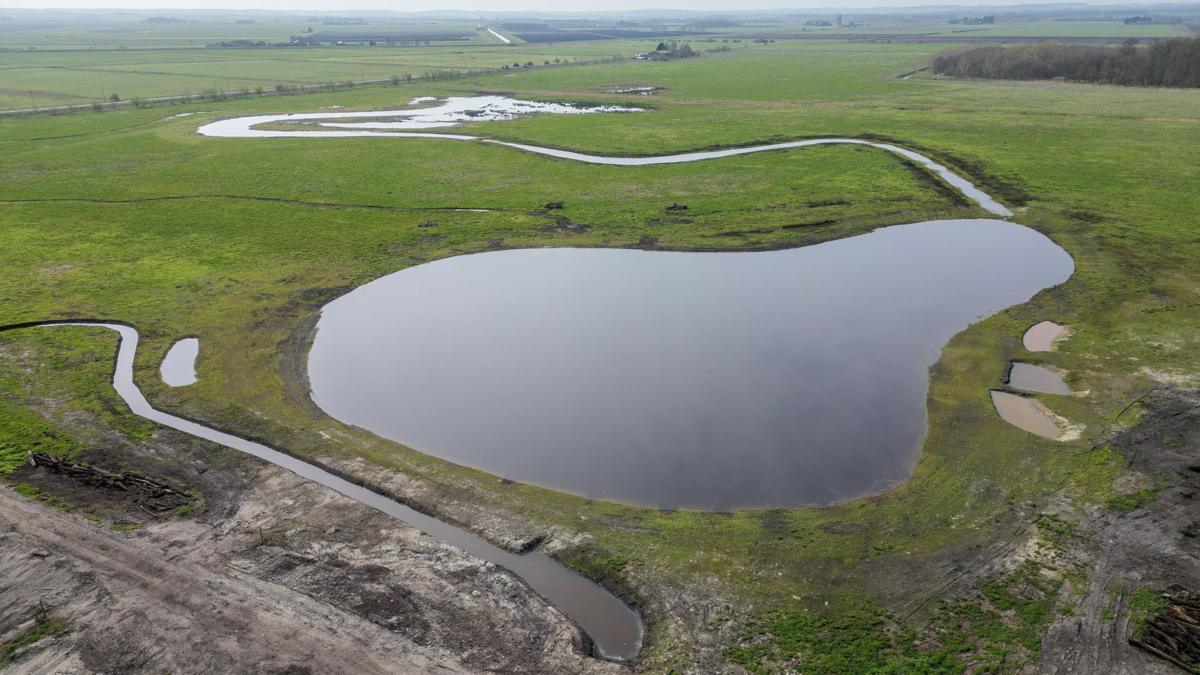
- Ouse Fen is being converted from low-quality agricultural land into a 3,000-hectare (7,410-acre) wetland through an innovative partnership between a gravel-extraction business and the RSPB
- The site already supports water voles, bitterns, spined loaches and marsh harriers, while archaeological work elsewhere on the site uncovered Neolithic-era bone remains of beavers and dalmatian pelicans
Why it matters: Great egrets were nearly wiped out for Victorian millinery and only began breeding in Britain in 2010, so the species' expansion to 24 nesting pairs by 2019 marks a genuine conservation turnaround, while the Ouse Fen partnership shows commercial gravel extraction can be rewilded into 3,000 hectares of prime wetland habitat within a single generation.
Ask SkimNews