UC Davis: $1 in Forest Treatments Yields $3.73 — SkimNews
Get the Energy newsletter
Daily energy & climate — solar, EVs, oil, the policy fights and tech bets shaping the transition. Free.
- UC Davis researchers published a study in Science on May 7 analyzing 285 wildfires in 11 Western U.S. states from 2017–2023, finding fuel treatments yielded $3.73 in benefits for every $1 invested.
- Lead author Frederik Strabo, a UC Davis postdoctoral scholar and University of Alberta professor, said the research marks "a step forward" for the economic analysis of fuels management.
- UC Berkeley forestry professor John Battles, reviewing the study independently, called the $3.73 return "amazing" and "not a half-baked conclusion," noting it aligns with his own place-based tracking of treatment benefits.
- The U.S. Forest Service vowed in its 2022 Wildfire Crisis Strategy to treat more than 50 million acres over the next decade, while the study's authors warned such treatments remain "underutilized" because public pressure and risk aversion favor fire suppression over prevention.
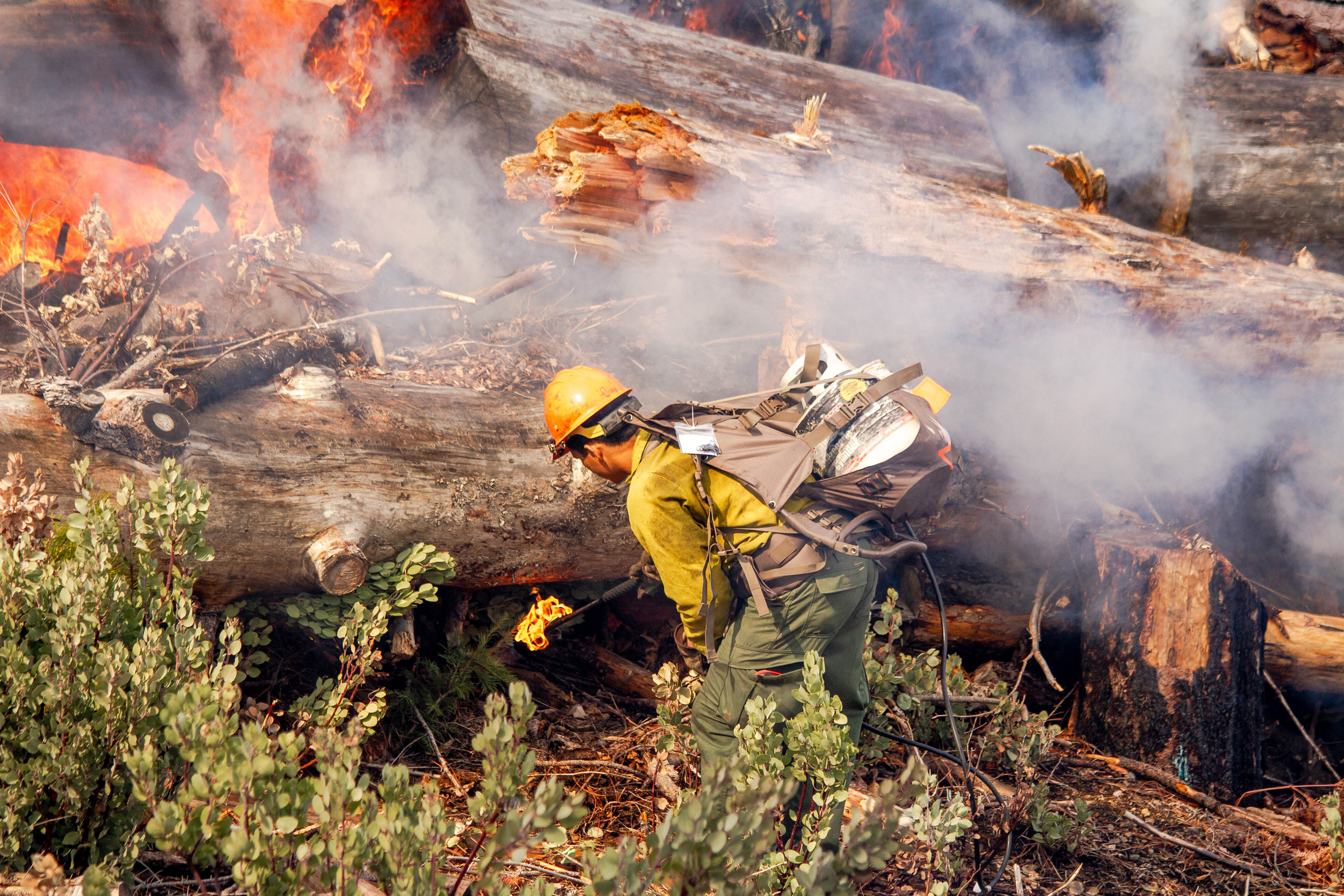
- Wildfires produce 83% more fine particulate matter than prescribed burns over the same area, according to the U.S. Forest Service, and fuel treatments in the study prevented more than 25,000 tons of fine particle pollution from being released.
- The American Lung Association, while supporting prescribed fires "under certain conditions," stressed the burns must be "carefully managed to limit smoke exposures," per assistant vice president Will Barrett.
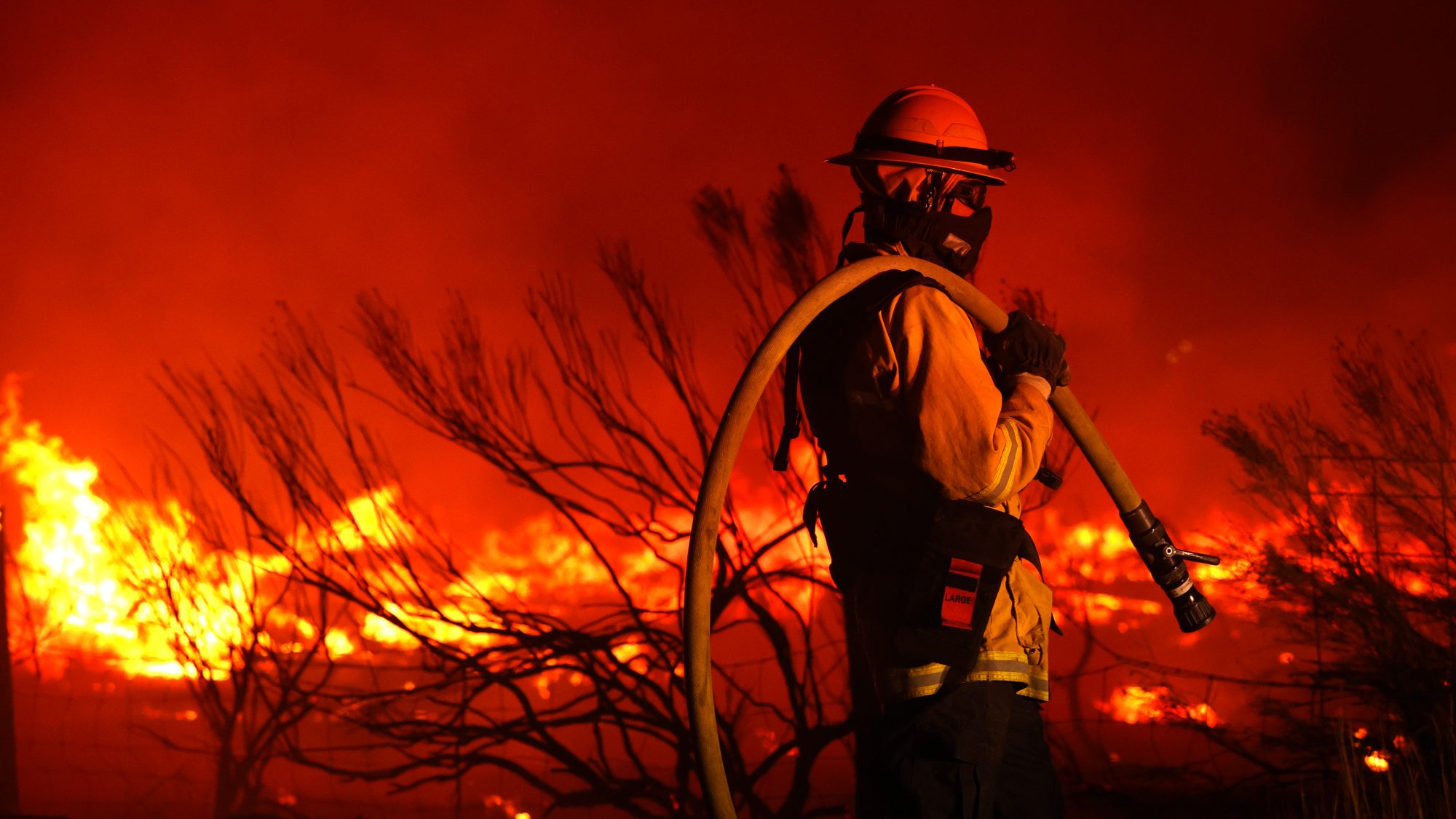
Why it matters: The 3.7-to-1 return challenges the political preference for visible fire suppression over preventive fuel treatments that the study's authors call "underutilized" — even as more than 25,000 wildfires have already burned 1.8 million acres this year and forecasters predict an extremely active 2026 fire season across the drought-stricken West.
Ask SkimNews