Gaza World Cup Screening Organiser Killed in Israeli Strike — SkimNews
Get the Geopolitics newsletter
Daily geopolitics — wars, elections, sanctions, the diplomatic moves that move markets. Free.
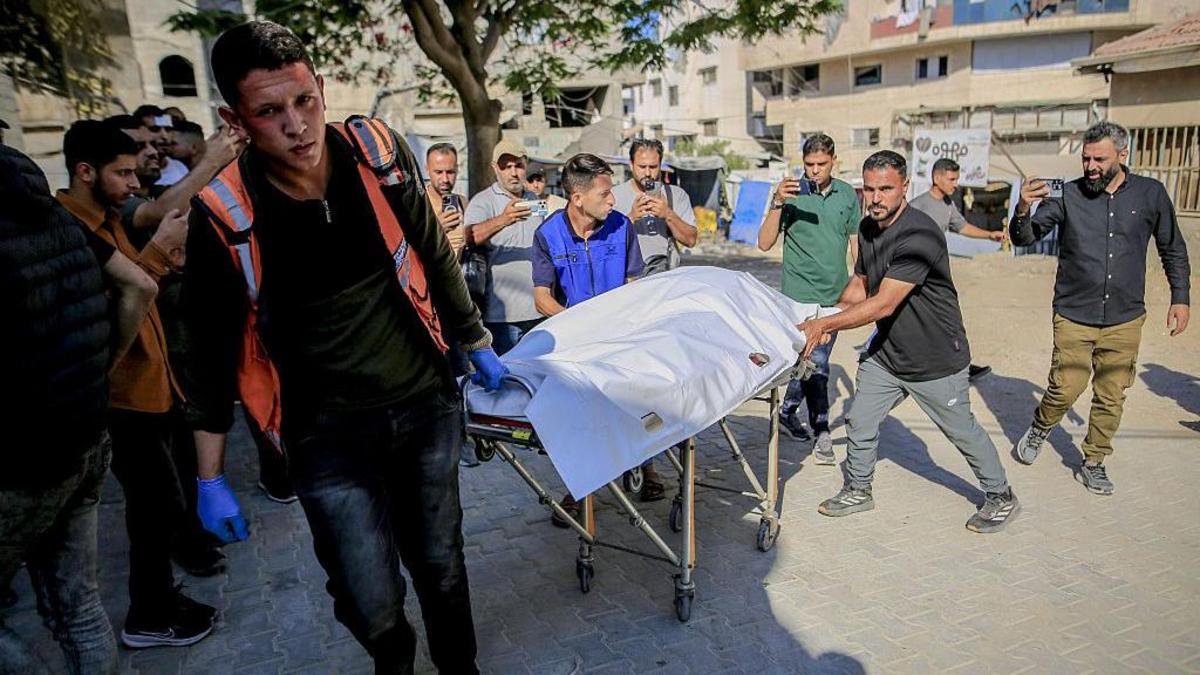
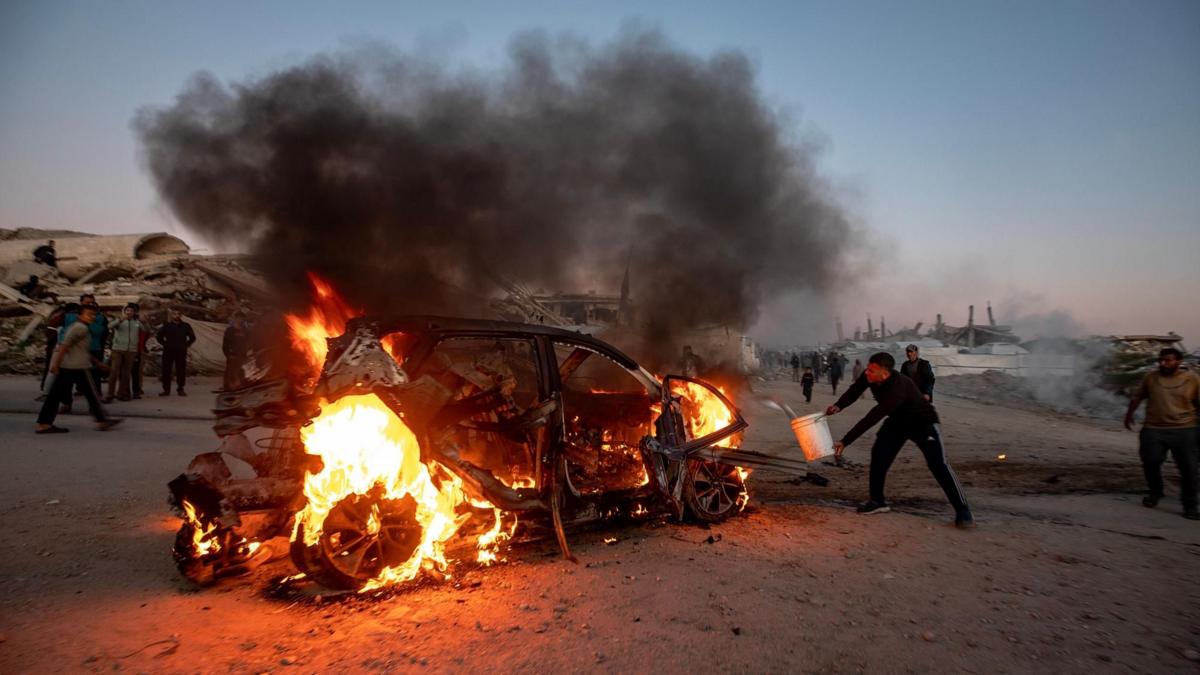
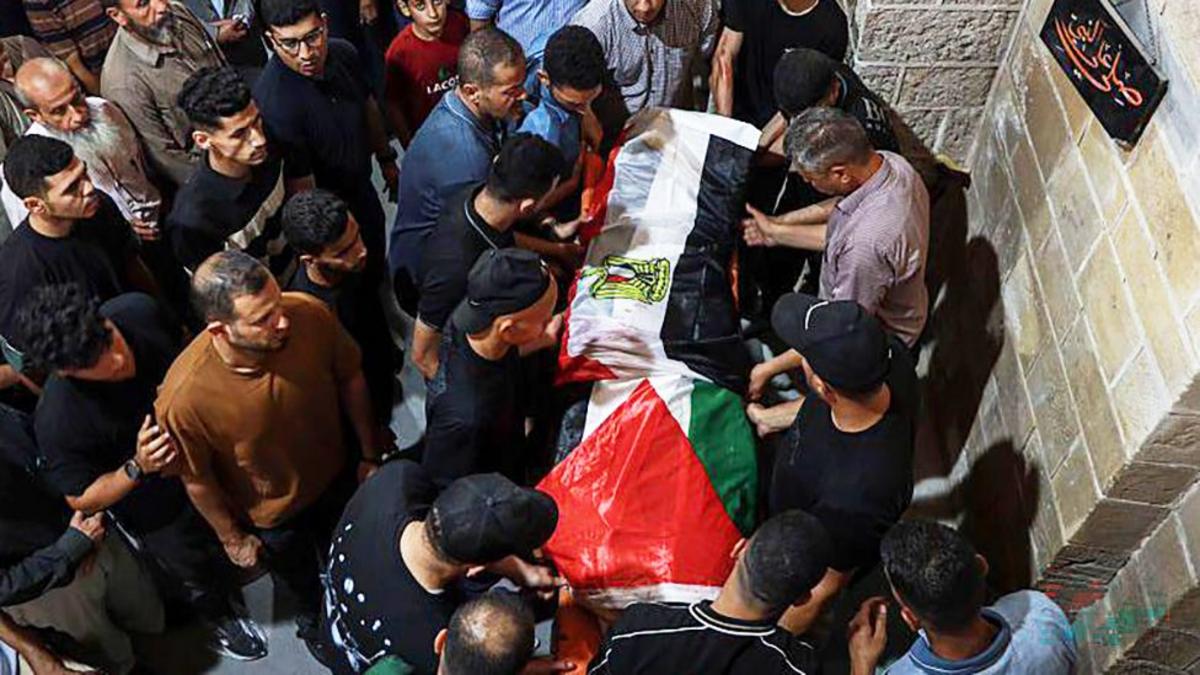
- Mohammed al-Wahidi, 65, a senior official with the Egypt-backed Egyptian Relief Committee, was killed when an Israeli missile struck a taxi in Gaza City's Sabra neighbourhood, along with three others including two brothers aged 8 and 10.
- The Israeli military said it had struck a Hamas operative and was aware of claims that uninvolved individuals were killed in the strike.
- Al-Wahidi had recently organized public World Cup screenings in Gaza City, Deir al-Balah and al-Mawasi, with Egypt's matches drawing large crowds reflecting long-standing cultural and political ties between Palestinians and their neighbours.
- He was killed only hours before one of those screenings — Egypt's last-16 match against Argentina — deepening the sense of loss among Palestinians.
- The UN had recorded the killing of at least 593 humanitarian workers in Gaza since the war began, including eight since Israel and Hamas agreed a ceasefire 10 months ago.
- At least 73,118 people have been killed in Israeli attacks in Gaza since the October 7, 2023 Hamas attack, according to the territory's Hamas-run health ministry, whose figures the UN considers reliable.
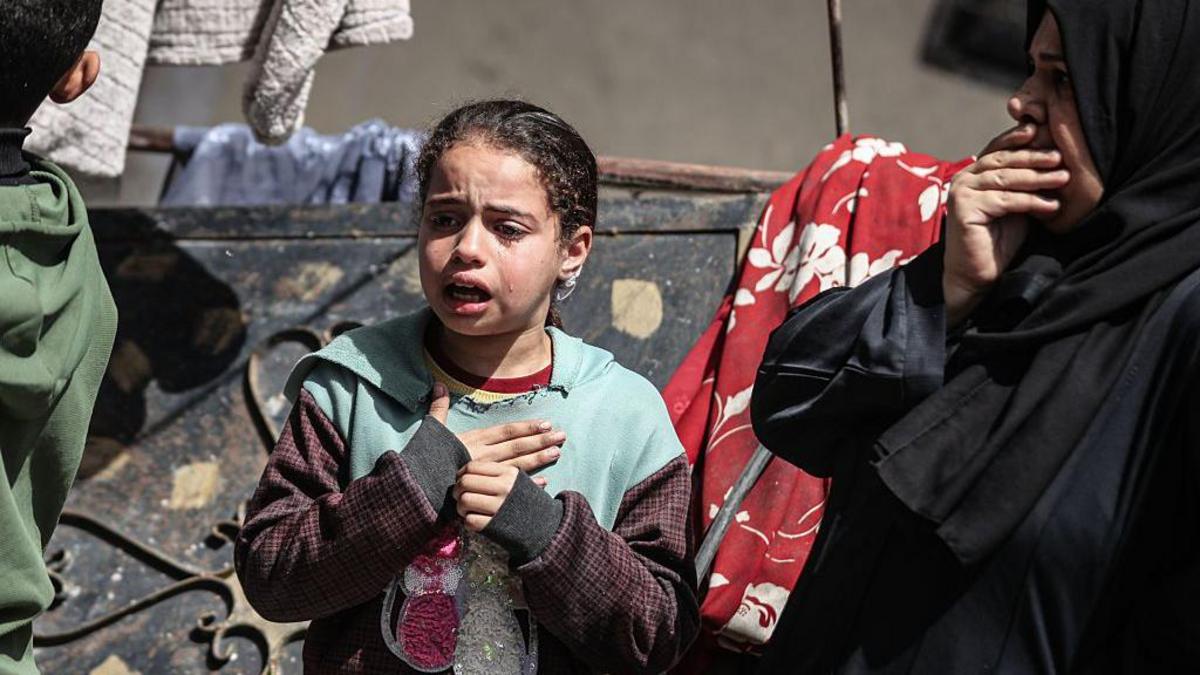
Why it matters: The story forces the global World Cup audience — currently consuming tournament spectacle across the other outlets covering this beat — to confront what surrounds the screenings for Gazan children: a man who tried to give them a brief escape from war was killed hours before the match he had organized. That the UN counts 593 aid workers killed since the war began underscores the pattern of risk humanitarian figures face in Gaza.
Ask SkimNews