White House AI Tool Hunts Transshipped Chinese Goods — SkimNews

Get the Geopolitics newsletter
Daily geopolitics — wars, elections, sanctions, the diplomatic moves that move markets. Free.
- The Trump administration stopped escalating the trade war after China offered a truce last October in response to rare-earth magnet threats, and US imports from China have fallen 40% in the year to June.
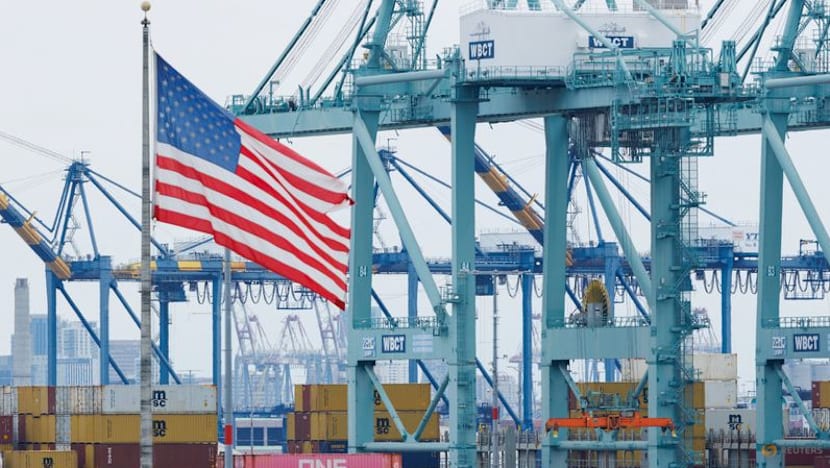
- The Commerce Department found that $67bn in Chinese goods were transshipped through Mexico, India, and Vietnam in 2025, prompting the White House's "Great Transhipment Scam" report and an AI border tool that scans every bill of lading.
- Manufacturing employment in the US remains roughly at the same level as when Trump first took office, despite 10 years of efforts spanning two and a half administrations to boost it.
- China's undervalued yuan drives its export dominance — its share of global manufacturing exports has risen from 3% to 20% since 1995, and its current account surplus equals roughly 5% of GDP.
- Section 301 of the Trade Act gives the US authority to impose tariffs on countries that purposely undervalue their currency, a tool the author argues Washington should deploy against Beijing directly.
- Historical precedent supports currency action: the Plaza Accord reduced the US-Japan deficit in the 1980s, and China's external surplus contracted sharply after the yuan appreciated post-2008, while its slide since 2023 has coincided with a rising surplus.
Why it matters: The yuan undervaluation fuels China's roughly 5%-of-GDP current account surplus and threatens industrial development across Europe and East Asia. The US has Section 301 authority to act on currency undervaluation but, after the rare-earth standoff, has opted for a transshipment crackdown that won't dent China's export dominance.
Ask SkimNews