BTS Boycotts 2027 Grammys Over New Asian Pop Category — SkimNews

Get the Culture newsletter
Daily culture — film, music, books, the trends and ideas worth your attention. Free.
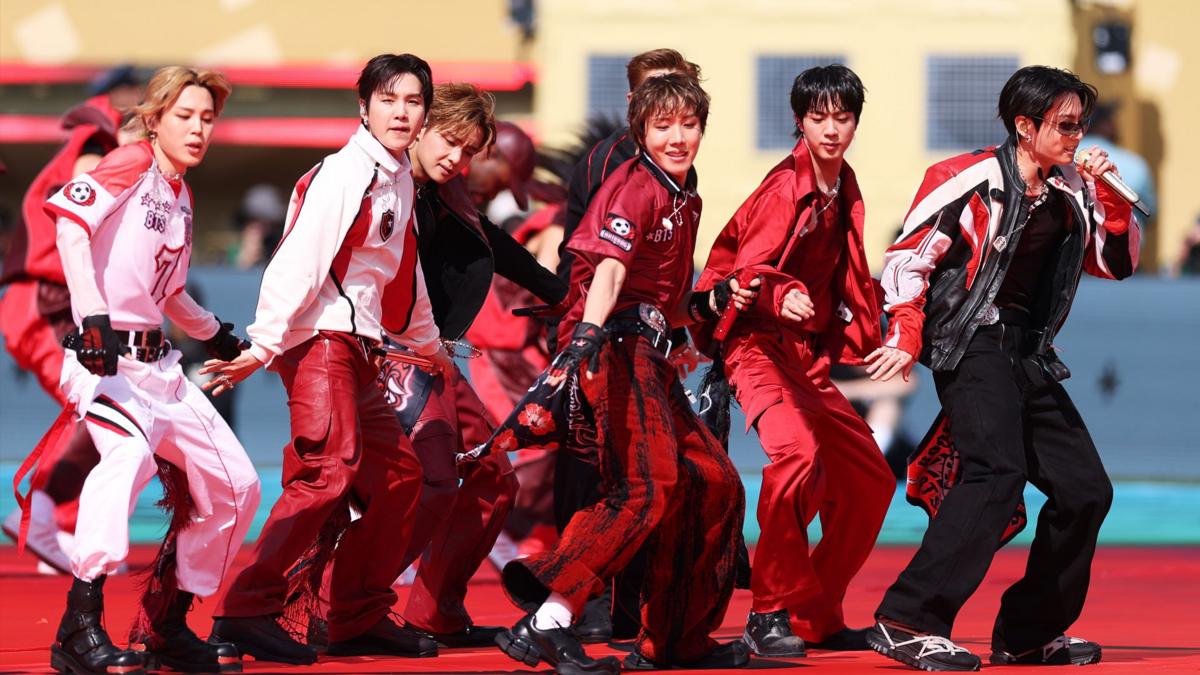
- BTS announced on Instagram that all seven members are withdrawing from the 2027 Grammys, saying they want "music to be heard and loved for what it is, rather than being divided by region or language"
- Recording Academy president Harvey Mason Jr said he was "saddened" but insisted the Asian pop category celebrates "depth, diversity and extraordinary growth" of Asian artistry, and emphasized that all artists remain eligible for the general field categories
- The new Asian pop category requires "meaningful use" of an Asian language — a threshold that would have excluded Golden and APT, the two K-pop tracks that made history at the 2026 Grammys
- BTS's latest album Arirang makes significant use of Korean, making the group a near-certainty for the new category — and a conspicuous absence from it after the boycott
- The 2026 Grammys marked the first-ever K-pop win (Golden for best song written for visual media) and the first Spanish-language album of the year (Bad Bunny's Debí Tirar Más Fotos), both preceding the regional-category expansion
- The Asian pop award was announced alongside another regional prize, best Latin song, with Mason citing artists' request for "more opportunities to celebrate different and new genres of music" — wording the source flags as "perhaps unfortunate" given the decades-long maturity of those markets
- The 2027 ceremony is set for February 7 in Los Angeles; other new categories include best R&B collaboration or duo/group performance, best traditional pop vocal performance, and best traditional folk album
Why it matters: BTS's boycott hands the Recording Academy a public rebuke from the act the new category was designed to honor, and Mason stopped short of reversing the prize. The source flags a specific, named fear inside the Asian pop sphere: that the category could ringfence artists away from contention in the top categories — a concern Mason pushed back on but did not eliminate.
Ask SkimNews