New hope for breast cancer patients as life-extending drug now on NHS in England — SkimNews

Get the Health newsletter
Daily health & science — research, biotech, public health, the studies worth knowing. Free.
- Enhertu is now available on the NHS in England for HER2-low breast cancer patients, offering nearly seven extra months of life on average (up to three years for some), benefiting approximately 1,000 women per year.
- NICE initially rejected Enhertu in 2024 as not cost-effective, then reversed after raising its QALY threshold from £30,000 to £35,000 and introducing a new quality-of-life measurement method — changes connected to a UK-US trade deal under which the UK agreed to spend 25% more on medicines.
- Daiichi Sankyo and AstraZeneca did not substantially lower their prices since the original rejection; the reversal came from NHS-side methodology changes, and AstraZeneca is calling for "faster, more equitable patient access" going forward.
- Breast Cancer Now welcomed the decision while warning thousands missed out during the two-year delay; chief executive Claire Rowney said the charity is calling on government, NICE and pharma to fix the "broken system" so patients don't have to "spend precious months and years campaigning for treatments."
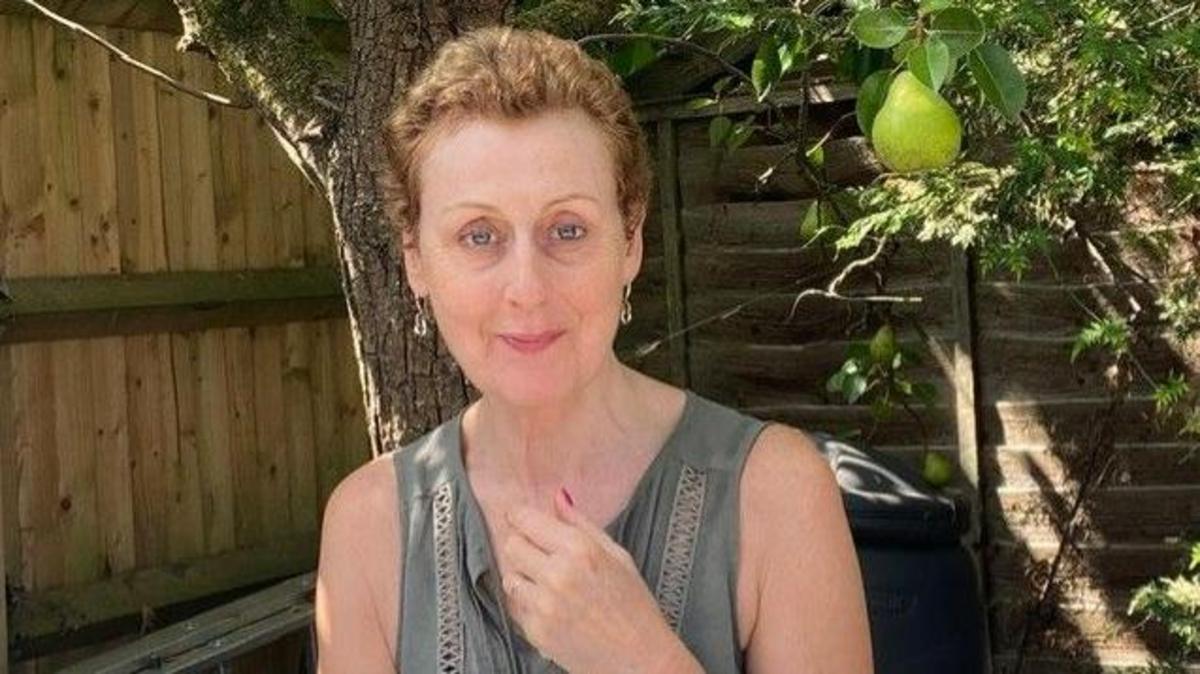
- Patient Kate Wills, 51, with HER2-low metastatic breast cancer spread to bones and lungs, said the news lets her "dare to dream" of seeing her children marry; the article notes her friend Jeannie Ambrose, who died in January aged 53, never received the drug.
- Health Secretary Yvette Cooper credited campaigners and charities, while NICE's Helen Knight acknowledged the decision comes "too late for many families"; Wales is expected to follow shortly, Northern Ireland can already prescribe it, and Scotland has had NHS access since 2023.
Why it matters: The reversal came not from drugmaker price cuts but from NICE raising its cost-per-QALY threshold from £30,000 to £35,000 — a change tied to a UK-US trade deal. For the roughly 1,000 eligible women annually it means access, but for patients like Jeannie Ambrose who died during the two-year wait, it is permanently too late.
Ask SkimNews