NHS England Reverses Enhertu Rejection Two Years On — SkimNews

Get the Health newsletter
Daily health & science — research, biotech, public health, the studies worth knowing. Free.
- NHS England began allowing doctors to prescribe Enhertu on Thursday for HER2-low breast cancer, reversing NICE's 2024 ruling that the drug was not good value for money.
- Enhertu extends life by almost seven months on average, with some patients living up to three years longer, and is expected to benefit roughly 1,000 women per year in England.
- NICE reversed its rejection primarily because a UK-US trade deal raised the NHS's cost-effectiveness threshold from £30,000 to £35,000 per Quality-Adjusted Life Year (QALY), with a more nuanced quality-of-life measurement introduced at the end of August also tipping the balance.
- Daiichi Sankyo and AstraZeneca have not substantially lowered their prices since the original 2024 rejection, according to the BBC; AstraZeneca called for "faster, more equitable patient access in the future."
- Breast Cancer Now chief executive Claire Rowney said campaigners' "persistence paid off" but warned "we can't celebrate this momentous decision without remembering the devastating cost of this delay," noting thousands missed out and many died waiting.
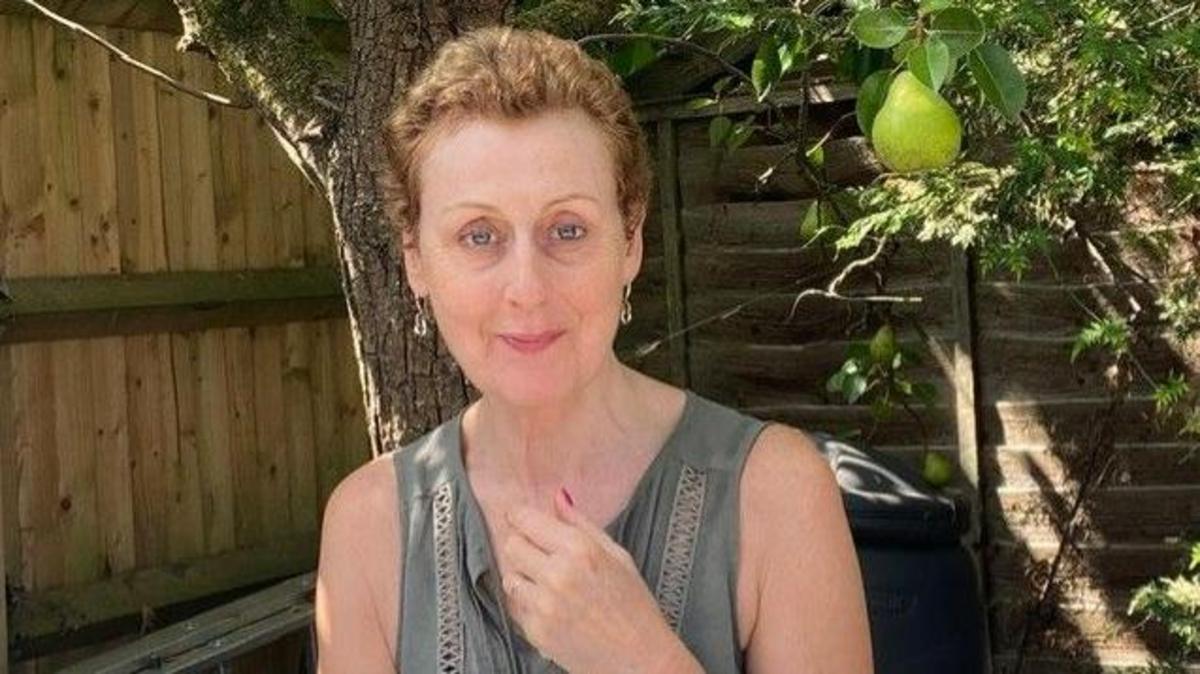
- Patient Jeannie Ambrose, 53, campaigned publicly for access to Enhertu in 2023 and died in January 2025 without receiving it; her friend Kate Wills, 51, said learning the drug was now available gave her "enormous hope" she might live to see her children marry.
- Health Secretary Yvette Cooper said Enhertu could be "life-changing" and credited campaigners, while Wales is expected to follow the NICE guidance shortly; Scotland has had access since 2023, and the guidance does not automatically apply to Northern Ireland.
Why it matters: About 1,000 women a year with HER2-low breast cancer in England will now receive a drug that can extend life by up to three years, but the reversal happened not because drug companies lowered prices but because a UK-US trade deal shifted the NHS's cost threshold by £5,000 per QALY. Breast Cancer Now explicitly said the two-year delay cost lives, making this a case study in how trade-policy variables — not just clinical evidence or pricing — determine which life-extending treatments reach patients.
Ask SkimNews