Xi Tells Trump: US Must Oppose Taiwan Independence — SkimNews
Get the Geopolitics newsletter
Daily geopolitics — wars, elections, sanctions, the diplomatic moves that move markets. Free.
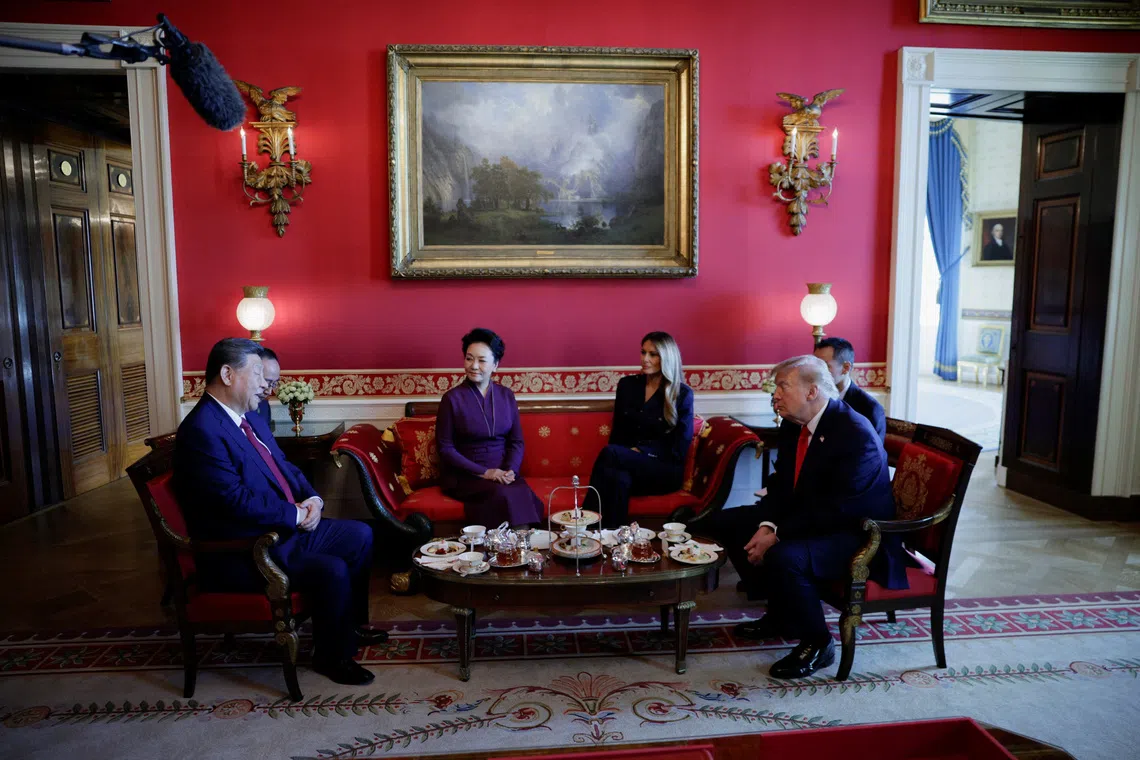
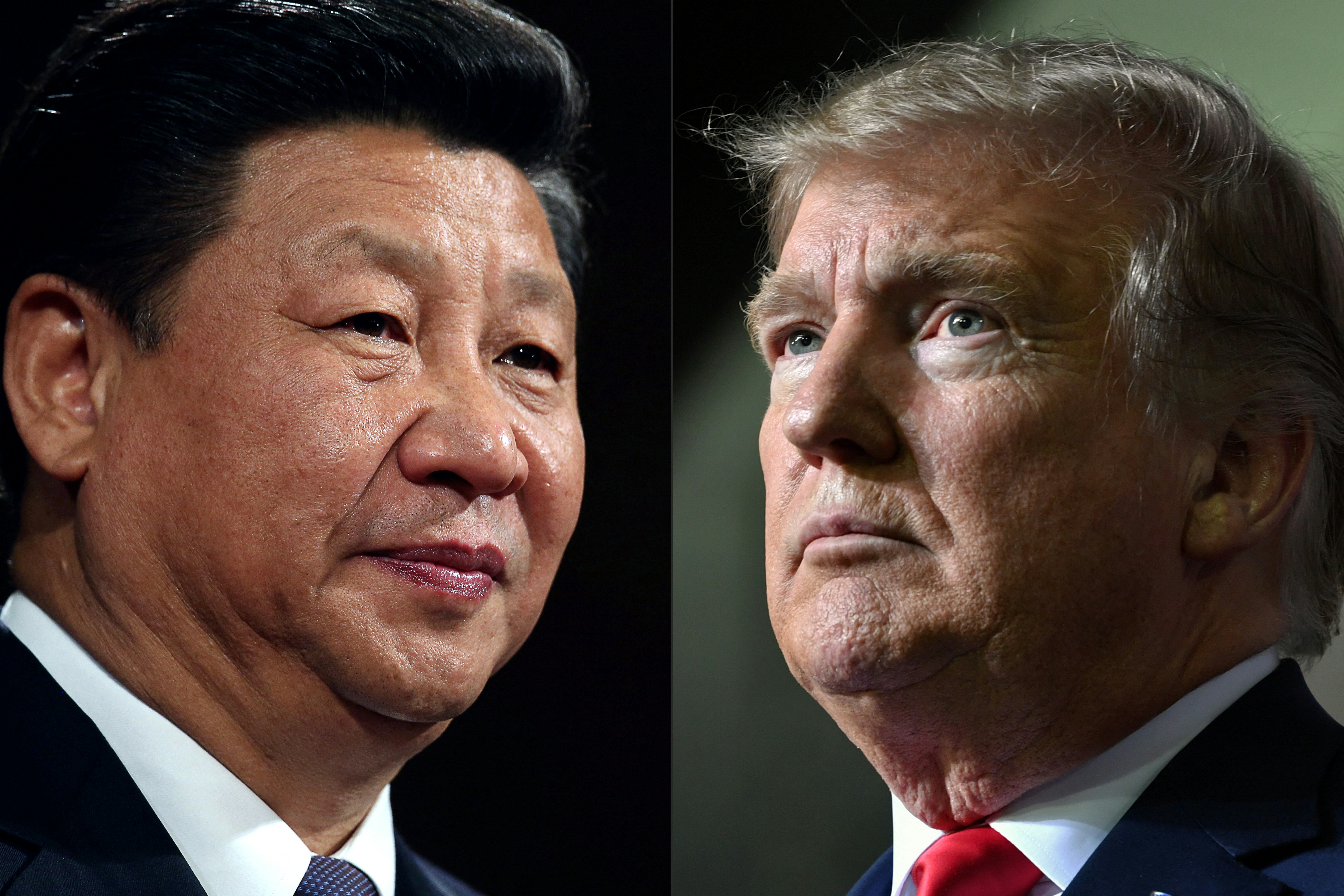
- Xi Jinping told Trump on Thursday that he hopes the US will adhere to the "correct position" of opposing Taiwan independence, and that China's stance on "reunification" is clear-cut.
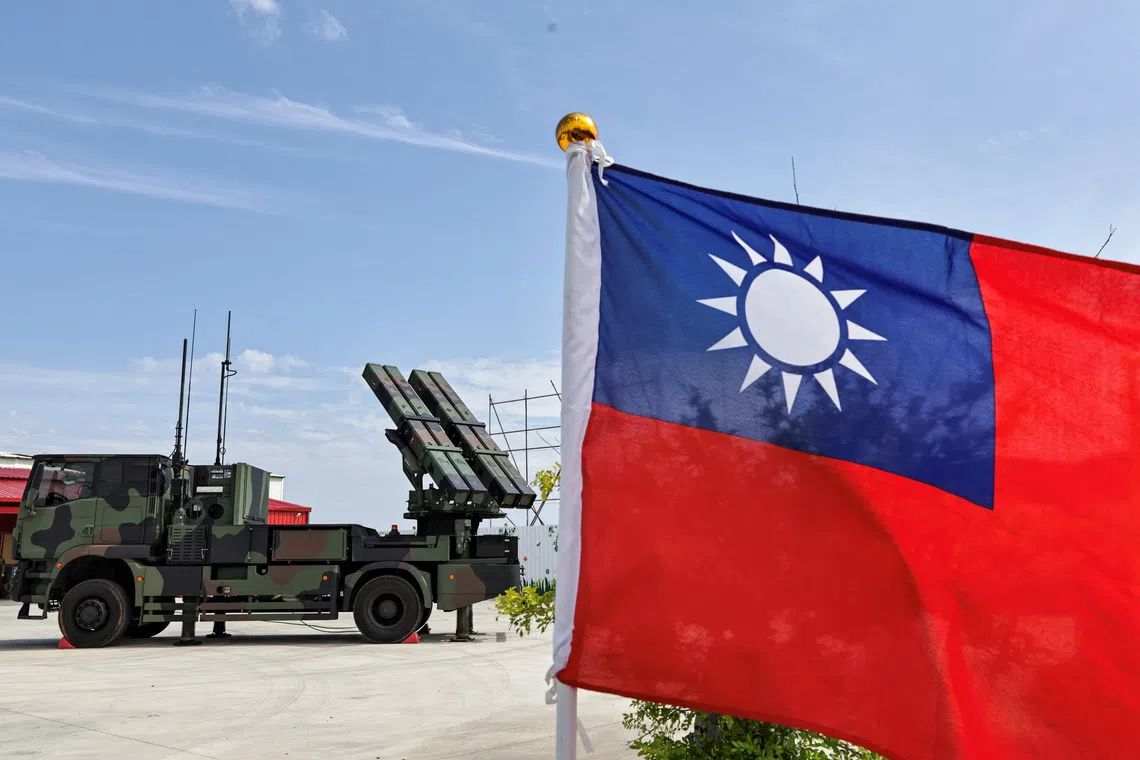
- Taiwan enjoys de facto independence — it elects its own leaders and controls a defined territory with its own military, passport, and currency — even though most countries do not formally recognize it as a sovereign state.
- The Republic of China remains Taiwan's formal name; the ROC government relocated to the island in 1949 after losing China's civil war to Mao's Communists, and Beijing displaced Taipei at the United Nations in 1971.
- The US severed official ties with Taipei in favor of Beijing in 1979 but remains bound by the Taiwan Relations Act to provide defensive means; Washington maintains "strategic ambiguity" on whether it would intervene militarily against a Chinese attack.
- Declaring a "Republic of Taiwan" would require 75% of lawmakers to pass a constitutional amendment followed by a referendum; the ruling DPP and opposition KMT currently hold an equal number of seats, and the KMT strongly opposes any name change.
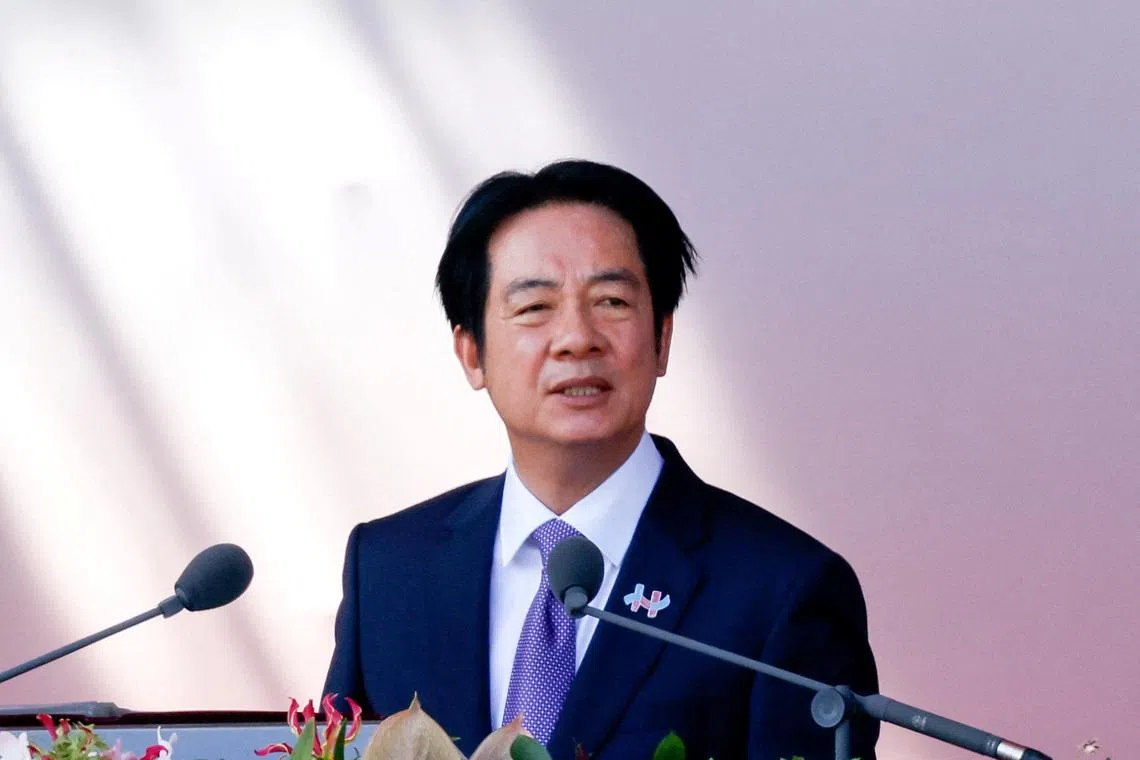
- President Lai Ching-te, whom Beijing labels a "separatist," previously called himself a "practical worker for Taiwan independence" but maintains he simply meant Taiwan is already an independent country.
Why it matters: Xi's "clear-cut" framing tells Trump there is no diplomatic flexibility on Taiwan — the issue is now welded to the broader US-China relationship, including arms sales Trump is still weighing. Domestically, the 75% constitutional threshold for a name change combined with the current DPP-KMT legislative tie means Taiwan's formal status is effectively frozen, leaving the de facto standoff as the durable equilibrium.
Ask SkimNews