Honda, Yamaha, Kawasaki, Suzuki Accelerate EV Bikes — SkimNews
SkimNews Take
The established Japanese motorcycle manufacturers are leveraging their collective market power and engineering expertise to quickly catch up in a segment where startups previously had a first-mover advantage.
Get the Energy newsletter
Daily energy & climate — solar, EVs, oil, the policy fights and tech bets shaping the transition. Free.
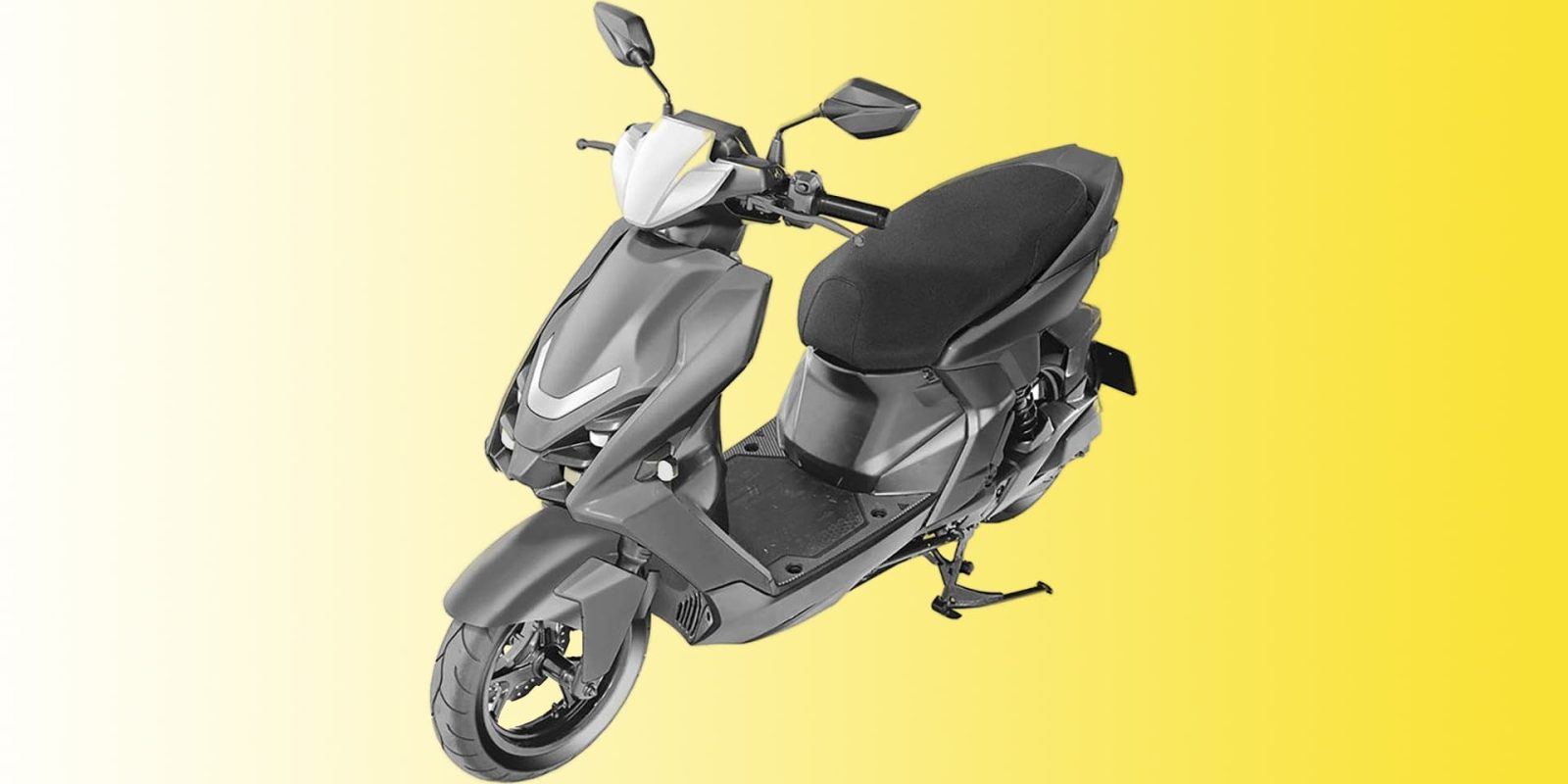
- Yamaha has rolled out multiple electric scooter models in Asia and Europe, is developing electric dirt bikes and off‑road concepts, and aims for electric models to make up about 30% of its new lineup, with President Motofumi Shitara saying electrification will become mainstream for carbon neutrality.
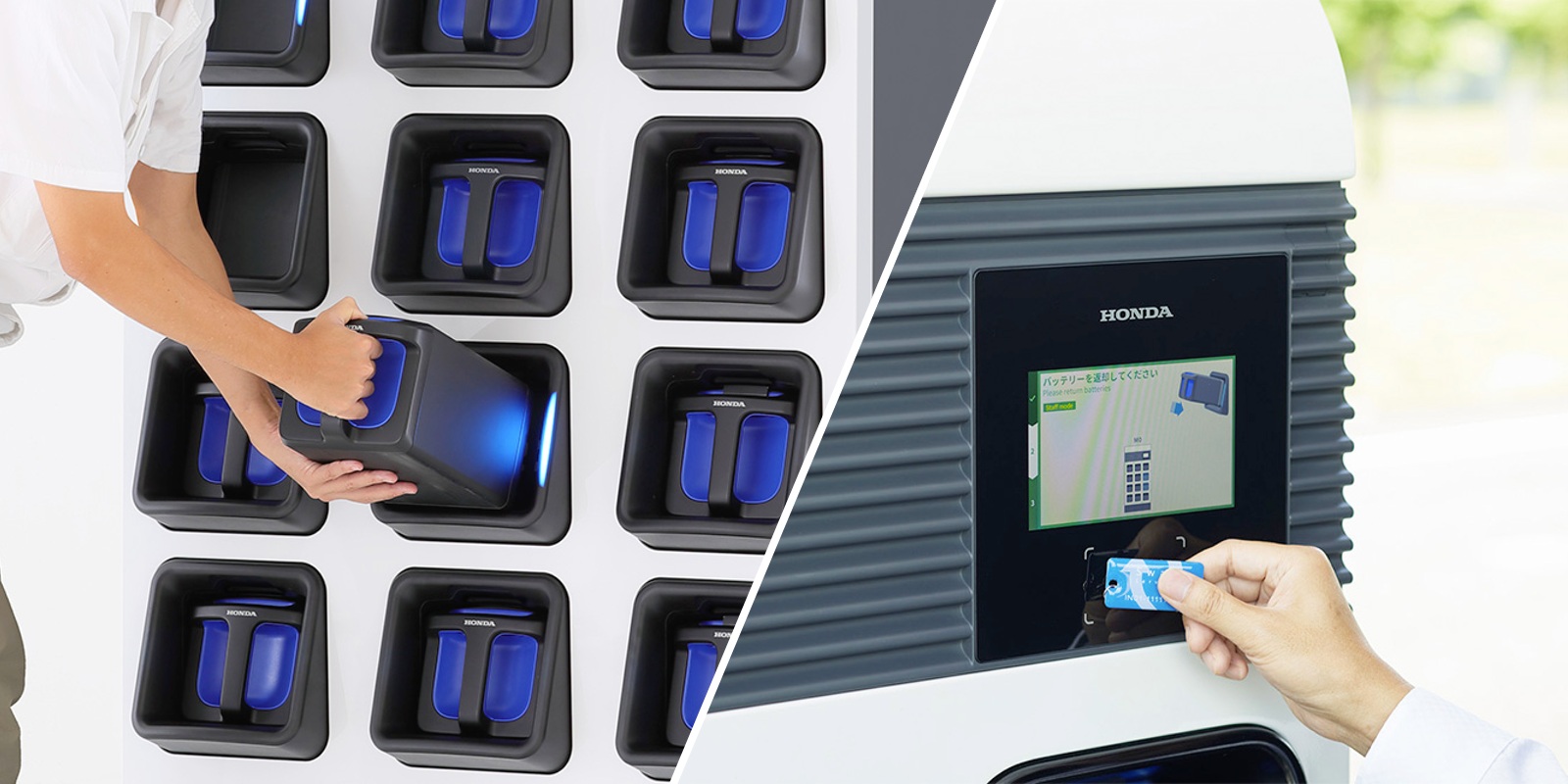
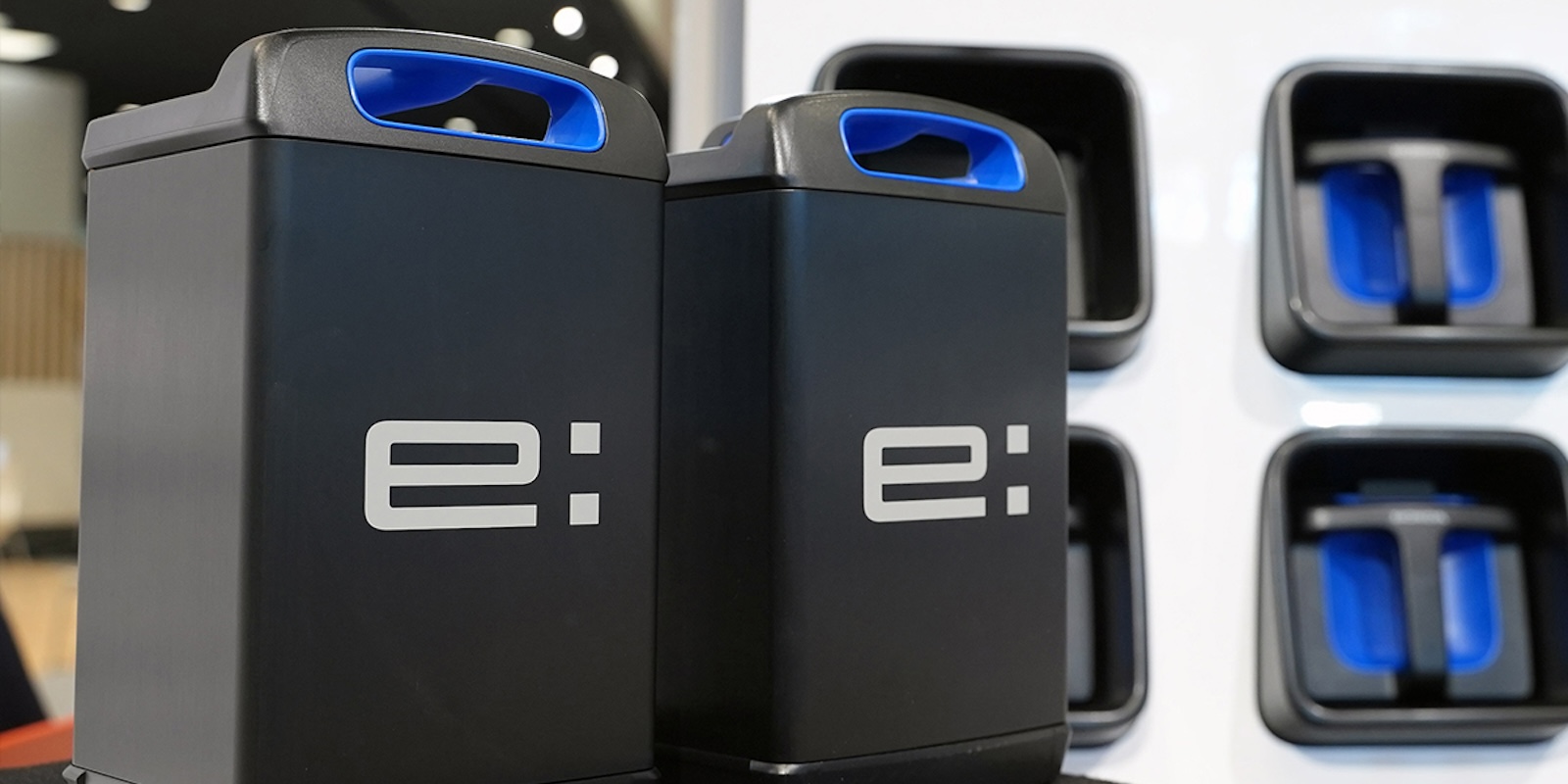
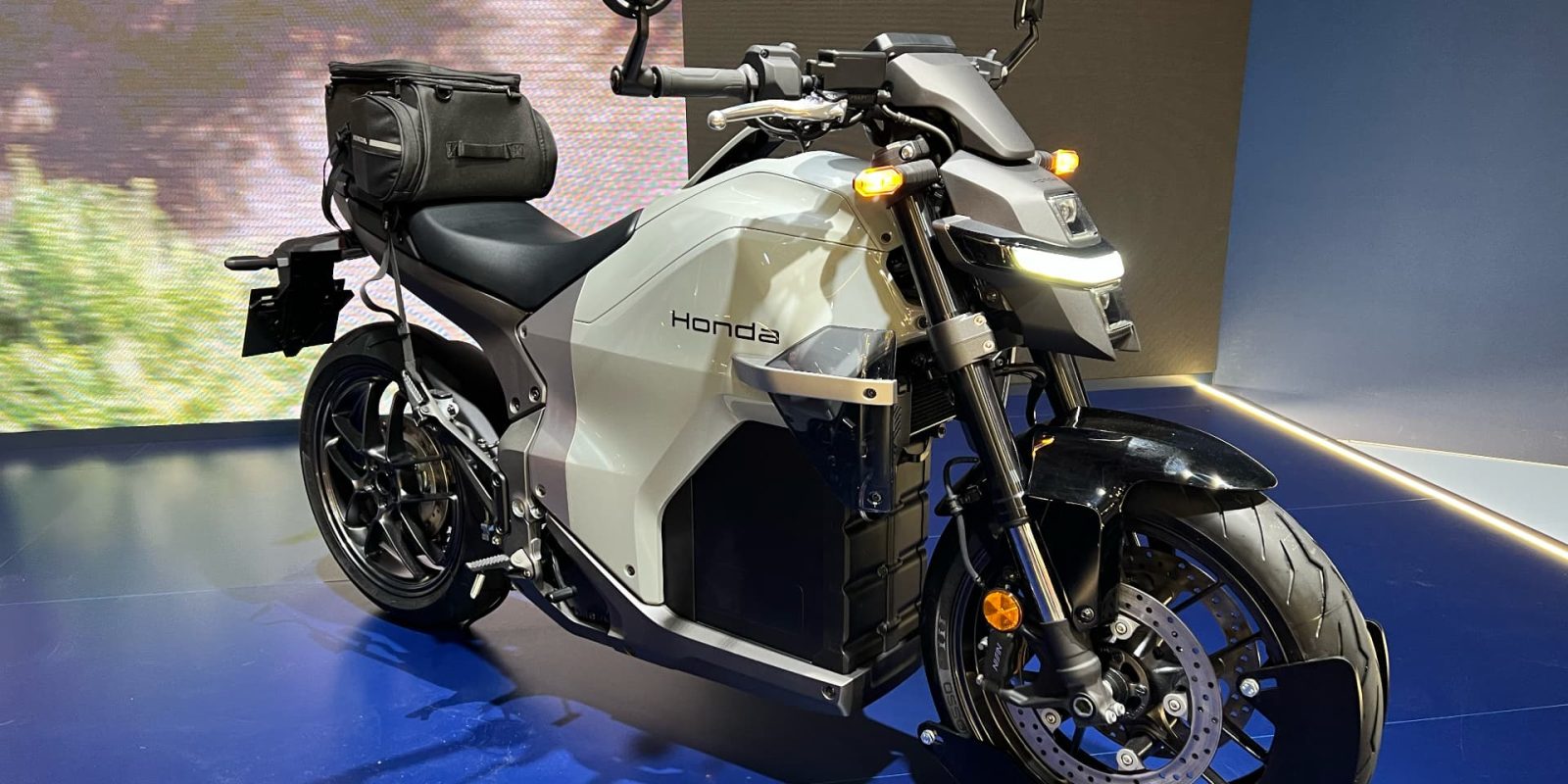
- Honda has introduced multiple electric scooters for Asian markets, including battery‑swapping models, announced a dedicated electric motorcycle plant in India, and plans to significantly raise the share of electric motorcycles in its overall sales by the end of the decade, while also producing a full‑size electric commuter bike.
- Kawasaki has entered the electric market with two small commuter‑focused electric motorcycles, modest in power and range, marking its first production EVs from a traditionally performance‑oriented brand.
- Suzuki is concentrating on electric scooters for development markets, showcasing electric concepts, and exploring alternative fuels as part of a broader low‑carbon portfolio diversification.
- Electric motorcycles still face high battery costs, charging‑infrastructure gaps, and packaging challenges due to limited space for large battery packs, according to the article.
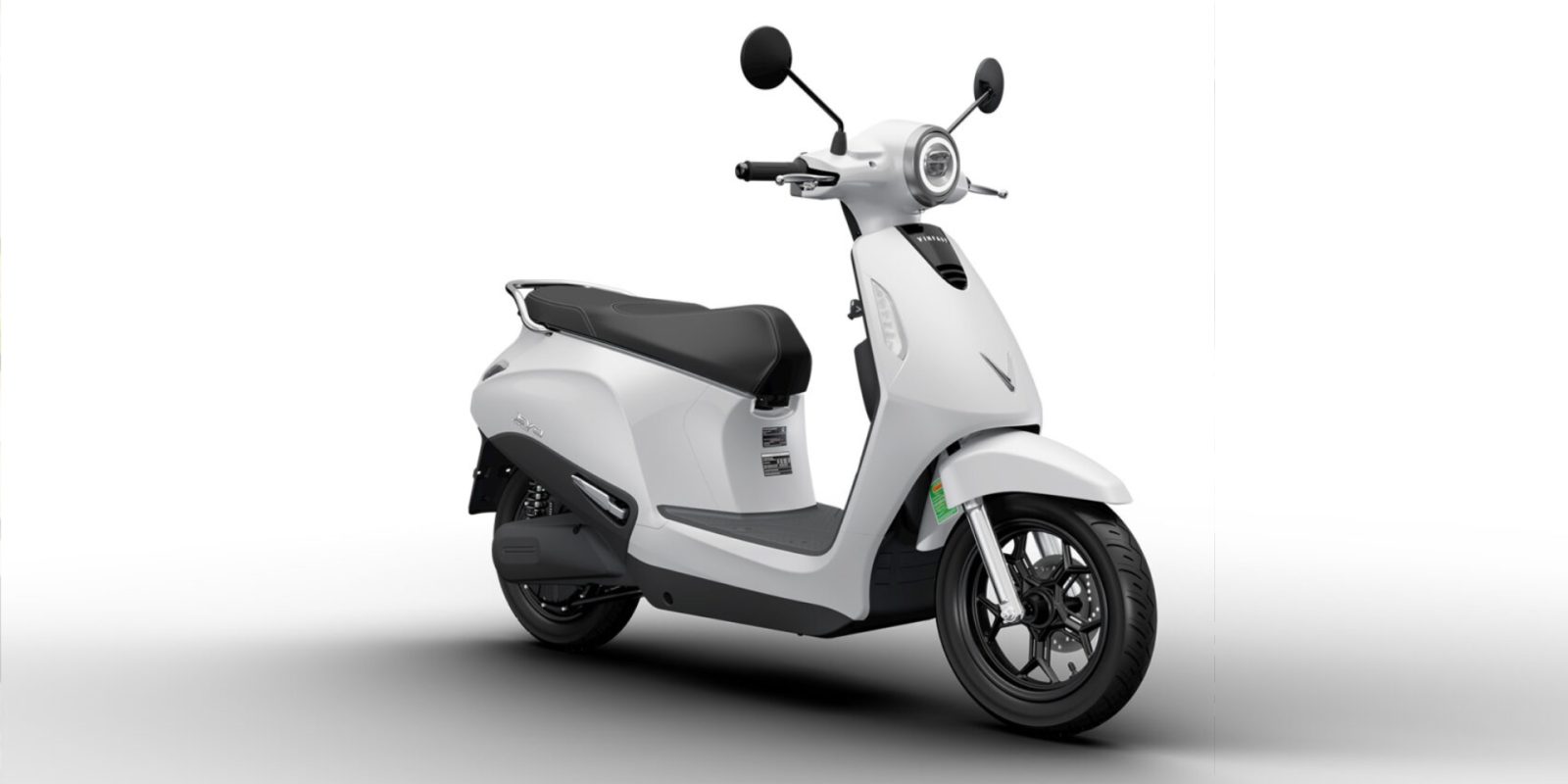
Why it matters: Consumers in Asia and Europe receive new electric scooter options from established brands, while legacy manufacturers such as Honda, Yamaha, Kawasaki, and Suzuki secure early market share in the emerging EV two‑wheeler segment, intensifying competition with startups.
Ask SkimNews