US urges Americans to leave Middle East amid Iran escalation — SkimNews
Get the Geopolitics newsletter
Daily geopolitics — wars, elections, sanctions, the diplomatic moves that move markets. Free.
- US State Department issued a fresh travel advisory on Saturday urging Americans in the Middle East to consider departing or be prepared to leave at short notice — a sharper alert than an earlier advisory this month that did not recommend leaving.
- The warning was distributed through US embassies in 10 countries — UAE, Bahrain, Iraq, Israel, Jordan, Kuwait, Lebanon, Oman, Qatar and Saudi Arabia — flagging flight cancellations, periodic airspace closures and potential travel disruptions.
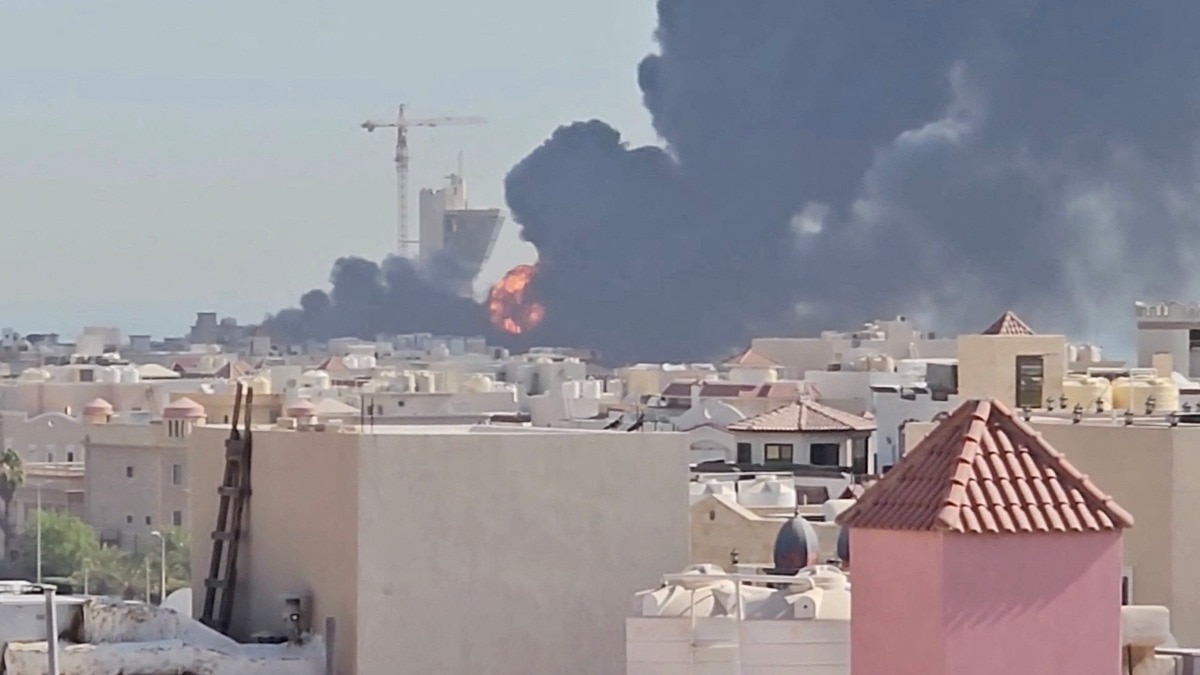
- Kuwait's Army intercepted Iranian drones on Saturday, with explosions heard across the country attributed to efforts to destroy the incoming aerial threats.
- Trump warned Friday the US would be "hitting them very hard" if necessary, while Iran vowed to "punish" the US following what American officials described as a heavy exchange of strikes.
- The US military confirmed two days earlier it had carried out a "heavy wave of strikes" on Iran; fighting resumed after Trump declared a June ceasefire memorandum "over" in early July.
- The six-month-old conflict has fueled higher global oil prices and pushed up fuel costs inside the United States, according to the report.
Why it matters: The shift from "heightened vigilance" to "be prepared to leave" is the State Department's clearest signal yet that it expects the US-Iran conflict to widen, forcing American travelers, businesses and airlines across 10 countries to weigh evacuation against the risk of being stranded. For Americans not in the region, the stated knock-on effect — higher oil prices and US fuel costs — means the war is already hitting household budgets.
Ask SkimNews