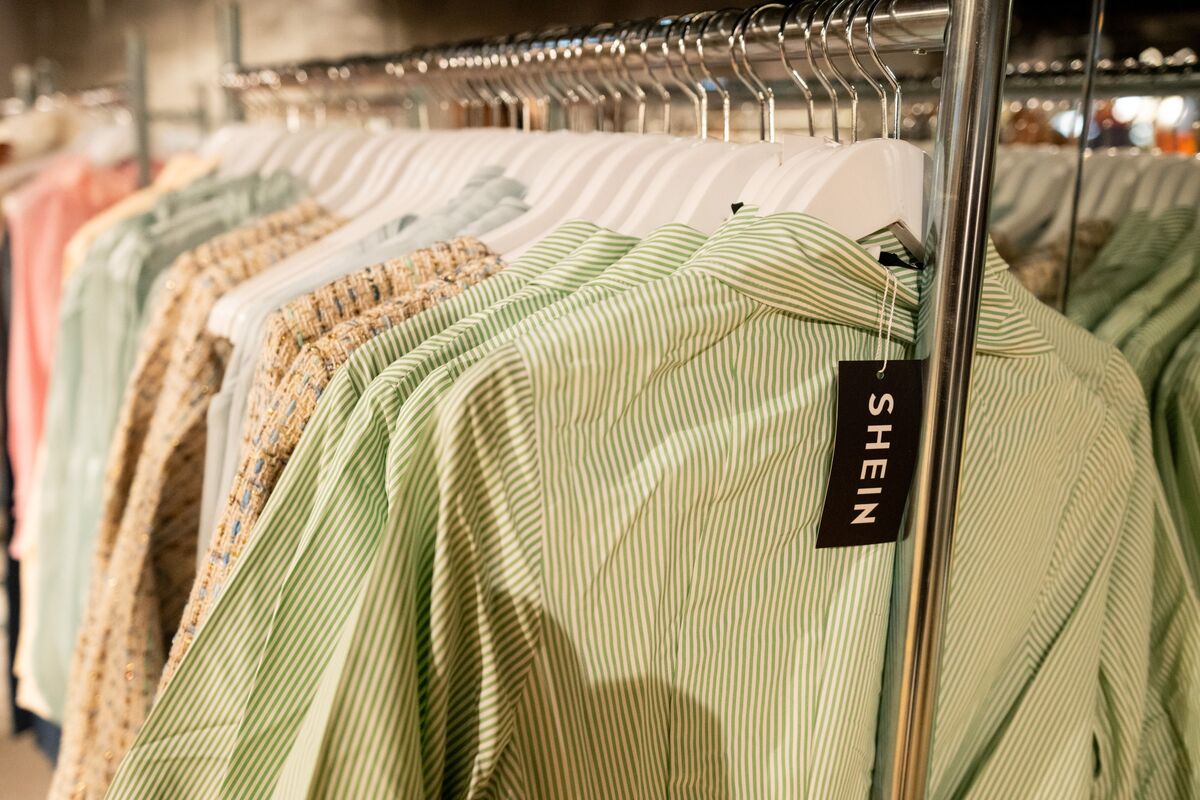
Shein posts $99m loss after Trump kills de minimis — SkimNews

Get the Finance newsletter
Daily finance — markets, central banks, M&A, the prints that move money. Free.
- Shein swung to a $99m (£74.1m) net loss in Q1 2026, reversing $395m in net income from a year earlier, with US sales hit by Trump's executive order ending the de minimis exemption on 29 August 2025
- The de minimis exemption had previously allowed goods valued at $800 or less to enter the US tariff-free, and the White House justified its removal by claiming it was being used to 'evade tariffs and funnel deadly synthetic opioids' to the US
- Shein said it plans to raise US prices to offset increased duties and taxes, and reported that the Iran war also hurt demand, raised costs, and delayed deliveries in some markets
- Shein filed for a Hong Kong IPO and received approval from the China Securities Regulatory Commission on 10 July after failed attempts to list in New York and London, though the filing did not disclose size, timetable, or pricing
- Shein grew to 281 million active customers (up 16% year-on-year) who placed over one billion orders in the year to March 2026, and recorded an additional $328m paper loss from an accounting change for special investor shares
- The European Union separately imposed a €3 (£2.56) levy on low-value e-commerce imports earlier in July, citing unfair competition from China
Why it matters: Shein's reversal from $395m profit to $99m loss quantifies the direct cost of Trump's de minimis crackdown on the low-cost e-commerce model that defined Shein and Temu. With the company planning US price hikes and a Hong Kong IPO, the loss reframes its listing narrative from growth story to tariff casualty — and the EU's parallel €3 levy signals the regulatory squeeze on Chinese fast-fashion platforms is going global.
Ask SkimNews