US Tariffs Up to 12.5% and EU Laws Tighten the Squeeze on China — SkimNews

Get the Geopolitics newsletter
Daily geopolitics — wars, elections, sanctions, the diplomatic moves that move markets. Free.
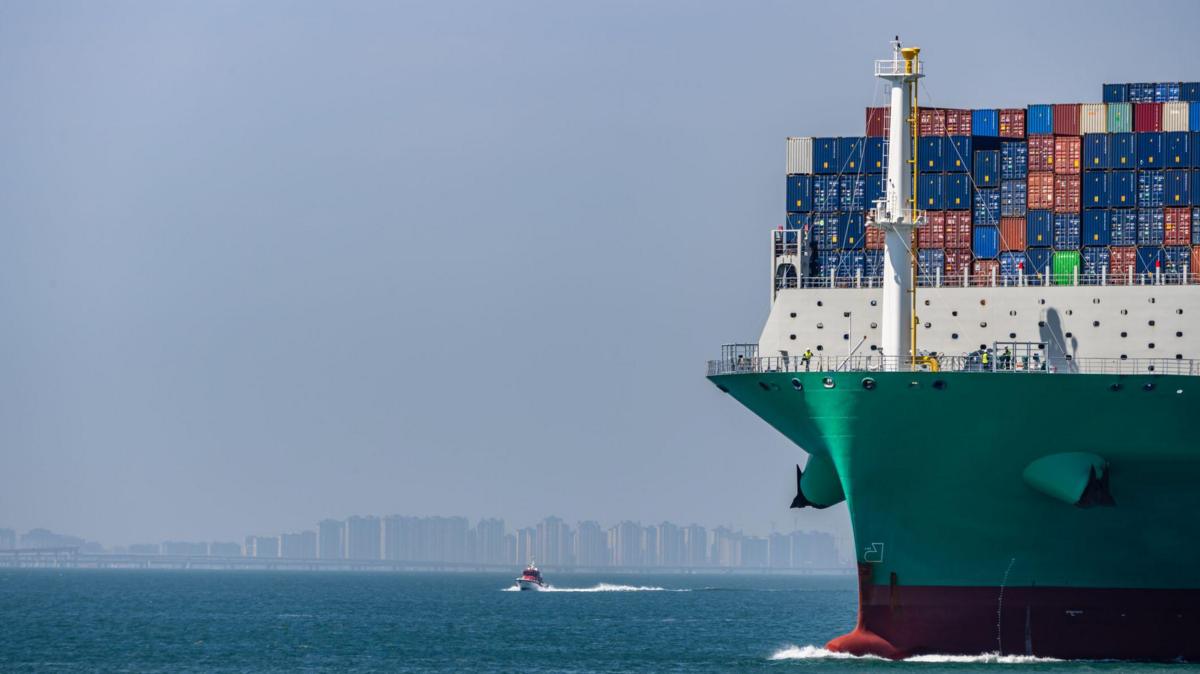
- The US Trade Representative proposed additional tariffs of up to 12.5% on imports from 60 trading partners, including China, citing failures to prevent exports of goods linked to forced labor practices.
- China is expected to be among the most affected countries given its central role in global manufacturing and longstanding US concerns about labor practices in certain regions.
- The European Union unveiled two major legislative initiatives — the Industrial Accelerator Act and the Cybersecurity Act — that, while not explicitly targeting China, could restrict Chinese firms' access to European markets in renewable energy, advanced manufacturing, batteries, and telecommunications.
- Beijing has warned that retaliatory measures — including counter-tariffs, regulatory actions, export controls, or industry-specific restrictions — remain possible if policies deemed discriminatory are implemented.
- Cross-border production-dependent industries including electronics, automotive manufacturing, renewable energy, pharmaceuticals, and consumer goods are identified as particularly vulnerable to escalating barriers and uncertainty.
- The structural drivers of the dispute — including technological leadership, national security, supply chain resilience, and industrial competitiveness — are increasingly intertwined with trade policy, making traditional negotiation frameworks harder to apply.
Why it matters: The USTR's proposed 12.5% tariffs target 60 countries with China as a primary focus, while the EU's twin industrial and cybersecurity legislation could effectively wall off key technology and manufacturing sectors from Chinese competition. If Beijing follows through on its retaliation threats, sectors like electronics, automotive, and renewable energy — all heavily reliant on China-based supply chains — face sustained cost increases and sourcing disruption at a time when global growth is still fragile.
Ask SkimNews