Houthis hit Saudi tankers, oil surges as US-Iran war escalates — SkimNews

Get the Geopolitics newsletter
Daily geopolitics — wars, elections, sanctions, the diplomatic moves that move markets. Free.
- President Trump vowed "major military punishment" against Iran and the Houthis on Truth Social, blaming Iran for Houthi attacks and threatening to destroy an Iranian bridge or power plant every time Iran fires at a ship in the Strait of Hormuz.
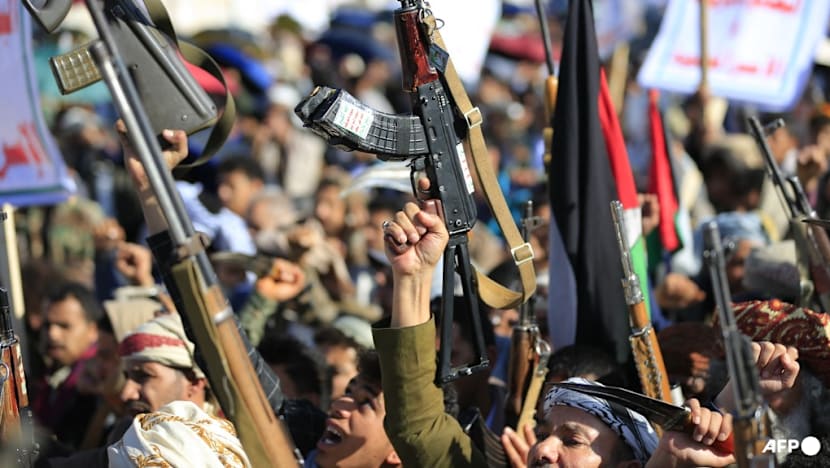
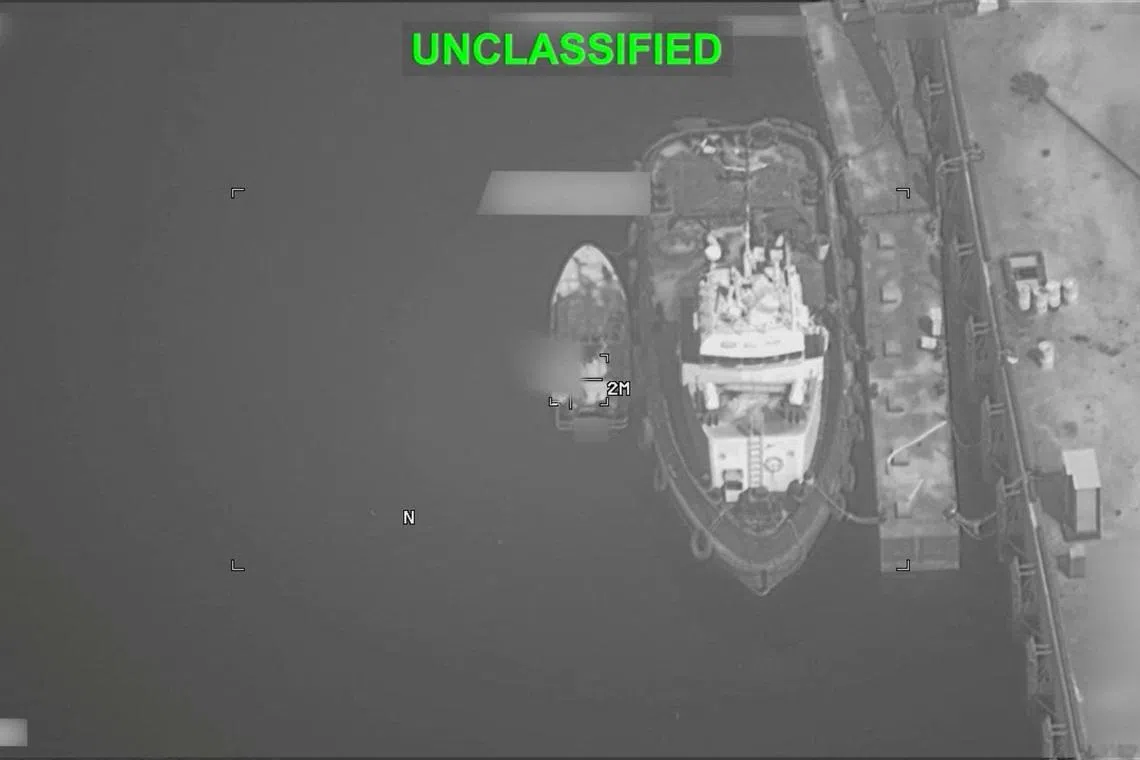
- Yemen's Houthis claimed missile and drone strikes on two Saudi-flagged oil tankers — the Encelia and Layla — their first such attacks since announcing a naval blockade on Saudi Arabia, with Saudi state news agency SPA confirming a fire at the bow of the Encelia.
- Saudi Arabia has been diverting millions of barrels of oil per day southward by pipeline to the Red Sea to circumvent Iran's blockade of the Persian Gulf, a reroute that now runs straight through the Houthi-controlled Bab el-Mandeb chokepoint.
- Brent crude prices spiked 4.3% to $98.16 US, their highest level since early June, as several tankers diverted northward through the Suez Canal or around Africa to avoid the Red Sea.
- The U.S. military launched its 12th consecutive night of airstrikes on Iran, targeting a military site near Iran's Bushehr nuclear reactor and striking the Shalamcheh border crossing with Iraq, where two people were killed and 11 wounded.
- Iran retaliated by striking U.S. missile systems, weapons and fuel storage sites in Jordan and military posts in Kuwait, with Jordan's army intercepting four Iranian missiles and six drones in 24 hours, and Iran's joint military command warning it would prevent export of "even a single drop of oil."
- Defense Secretary Pete Hegseth testified the war has cost the U.S. over $37 billion so far, with 18 U.S. service members killed and more than 450 troops injured.
Why it matters: The conflict now threatens two critical energy corridors simultaneously — the Strait of Hormuz and the Bab el-Mandeb — forcing Saudi oil through Red Sea pipelines that are now under Houthi attack. At $37 billion and 18 U.S. service members dead, the war's geographic spread into Jordan, Kuwait and Saudi shipping makes de-escalation structurally harder.
Ask SkimNews