Prosecute Big Oil With Existing Criminal Laws — SkimNews

Get the Energy newsletter
Daily energy & climate — solar, EVs, oil, the policy fights and tech bets shaping the transition. Free.
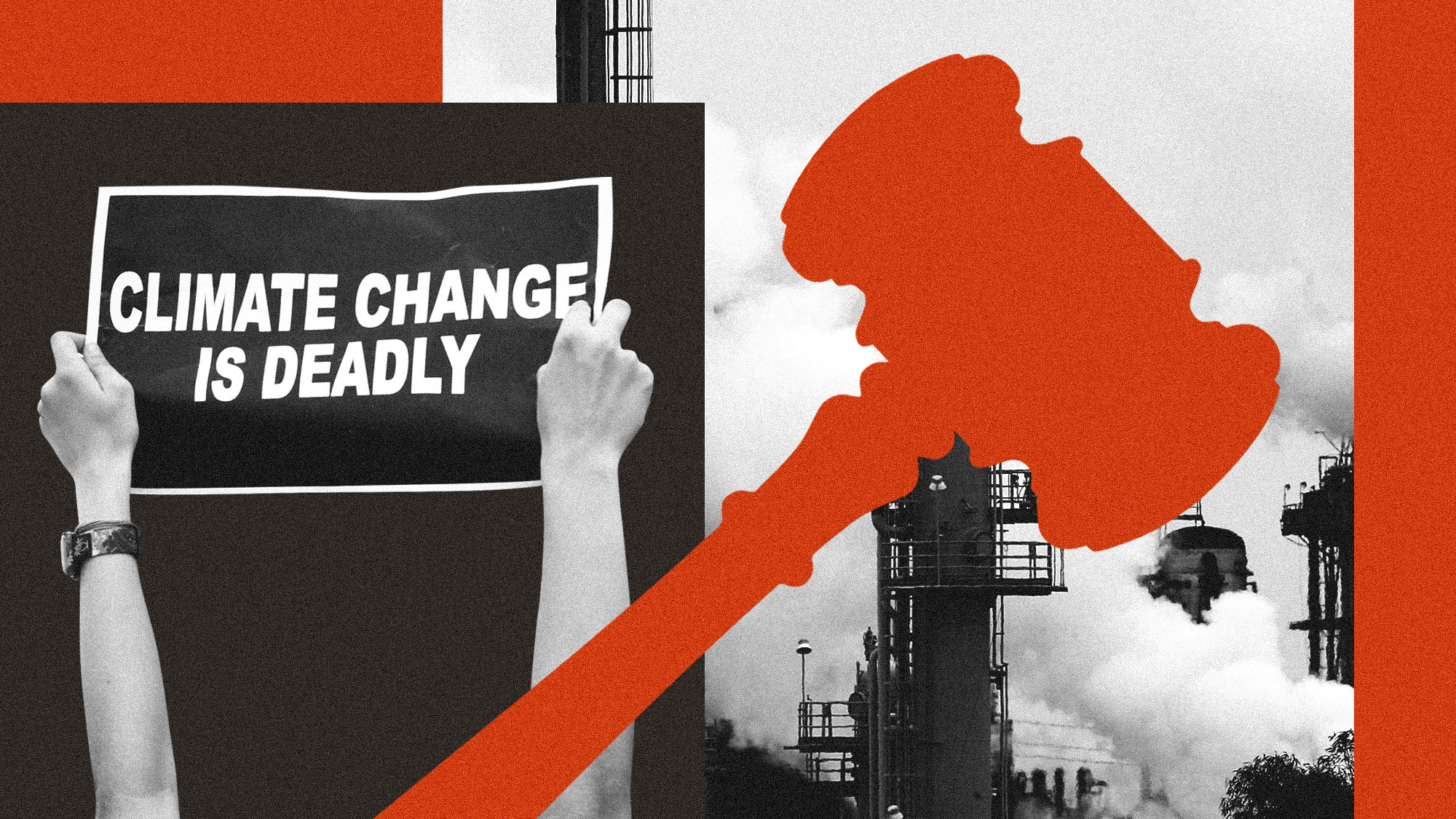
- Aaron Regunberg, director of Public Citizen's Climate Accountability Project, argues that reckless endangerment, risking catastrophe, and involuntary manslaughter laws already on the books in most states describe and proscribe big oil's conduct in driving and covering up the climate crisis.
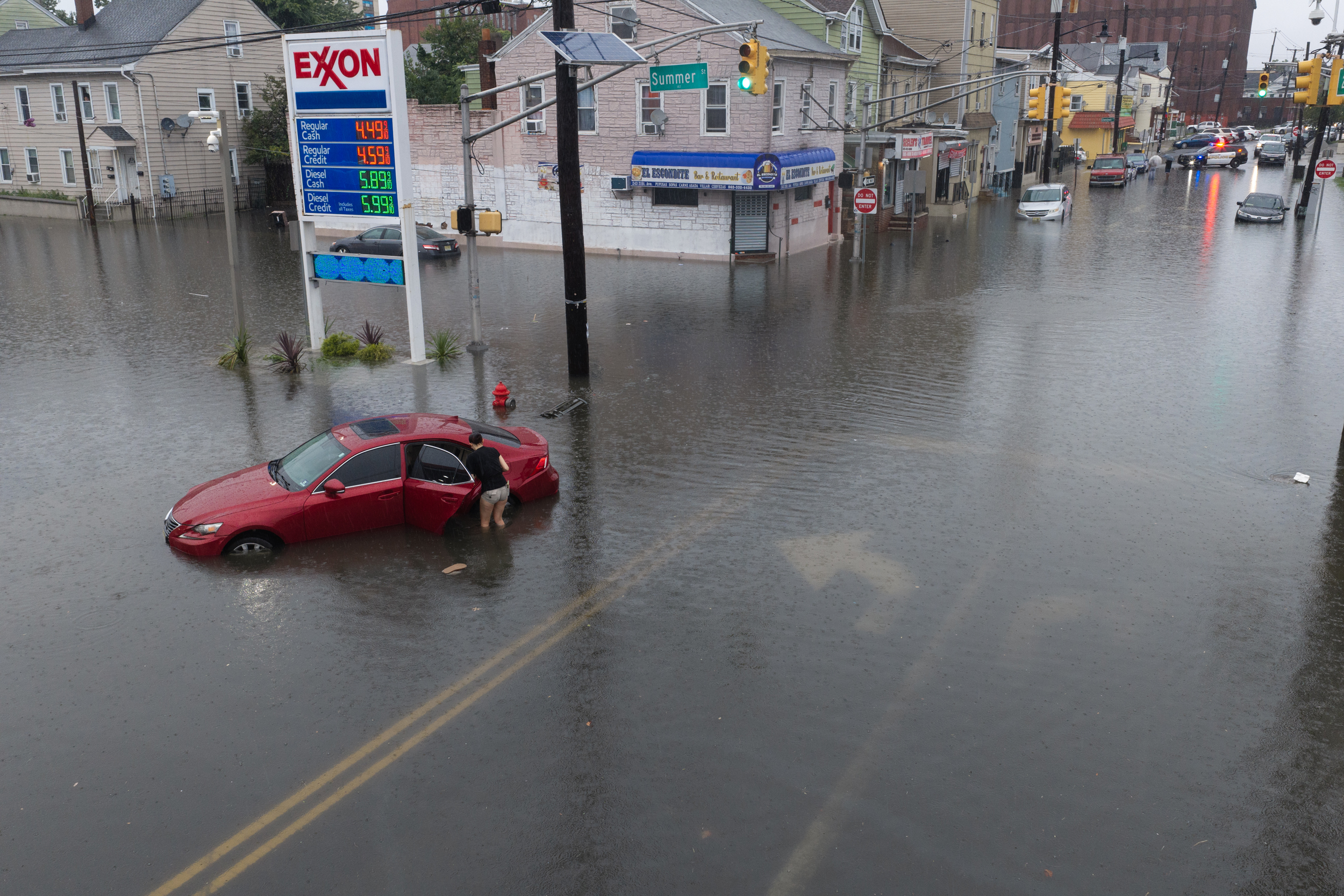
- Researchers using methods validated by the National Academy of Sciences found pollution from ExxonMobil, Chevron, Shell, and BP made past climate-exacerbated heatwaves at least 10,000 times more likely compared with preindustrial levels.
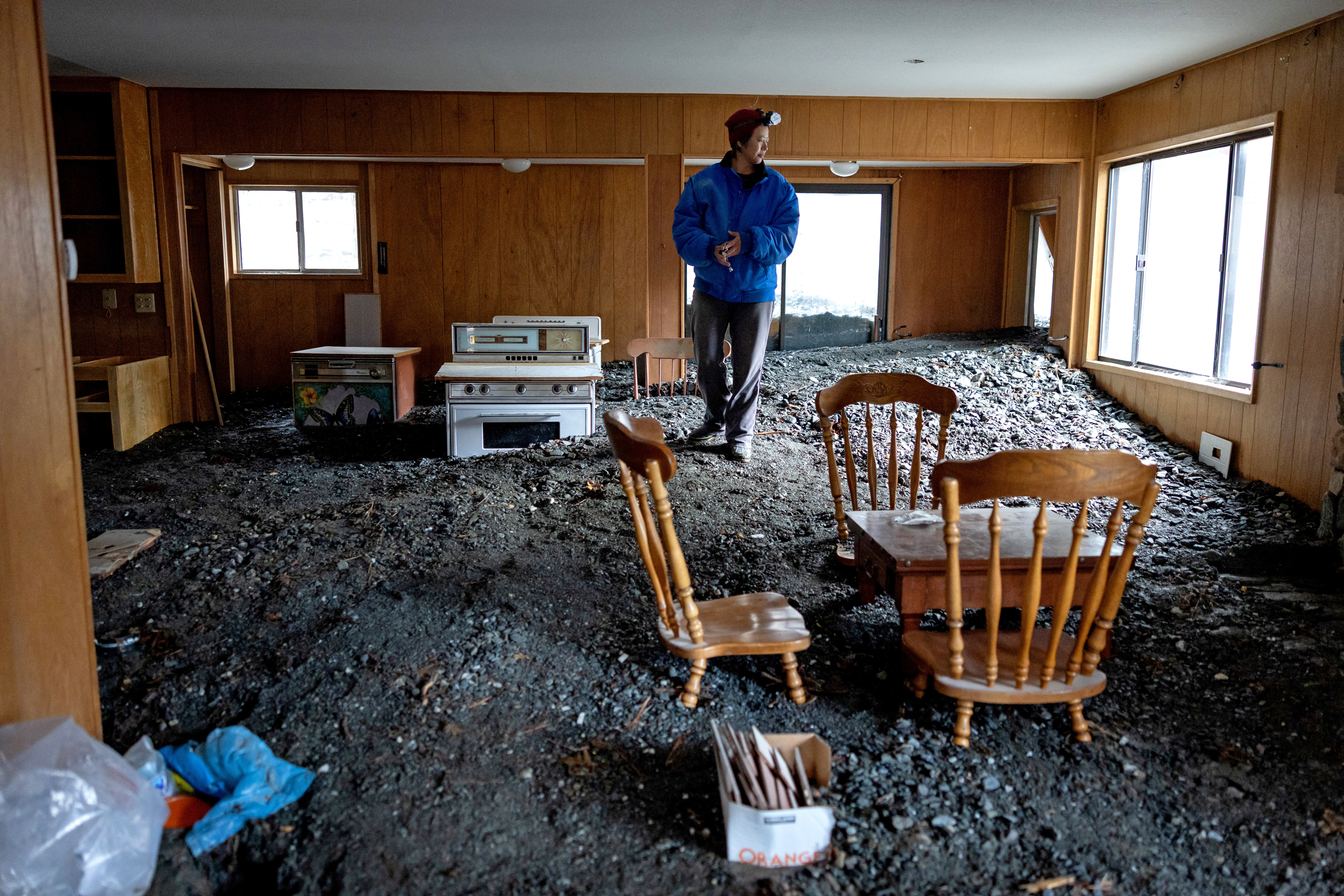
- Fossil fuel companies internally predicted decades ago that their products would cause "globally catastrophic" climate harms, "more violent weather," and "suffering and death due to thermal extremes" — knowledge they used to protect their own infrastructure while orchestrating "fraudulent campaigns of climate denial," per Regunberg.
- Pennsylvania and New Jersey both have "causing or risking catastrophe" statutes; Regunberg cites a Pennsylvania Supreme Court ruling against pier operators who concealed a known collapse risk as a direct precedent for prosecuting oil companies that concealed climate dangers.
- A Washington state court ruled earlier this month that a wrongful-death lawsuit against the fossil fuel industry over a climate-induced heatwave will proceed to discovery and trial, opening a civil path prosecutors could follow.
- A team of scientists published a study finding the Fourth of July heatwave — which forced cancellations across the Midwest and Northeast — would have been "virtually impossible" without the climate crisis.
- Some analyses cited estimate climate change will cause more than 1 billion preventable deaths this century, with extreme heat alone potentially killing more than 20,000 people in Europe last month.
Why it matters: Prosecutors in Pennsylvania, New Jersey, and other jurisdictions already have reckless endangerment, risking catastrophe, and involuntary manslaughter statutes that mirror big oil's documented conduct — decades-old internal memos predicting "globally catastrophic" climate harms — and could file criminal charges against fossil fuel companies for climate-driven deaths. A Washington state court just allowed a fossil-fuel wrongful-death suit to advance to discovery and trial, giving civil plaintiffs a litigation roadmap prosecutors could now follow.
Ask SkimNews