FCC Blocks Foreign-Made Connected Inverters — SkimNews
Get the Energy newsletter
Daily energy & climate — solar, EVs, oil, the policy fights and tech bets shaping the transition. Free.
- FCC added foreign-made connected power inverters to its Covered List on July 28, blocking new models from the federal authorization required to import, market, or sell them in the US.
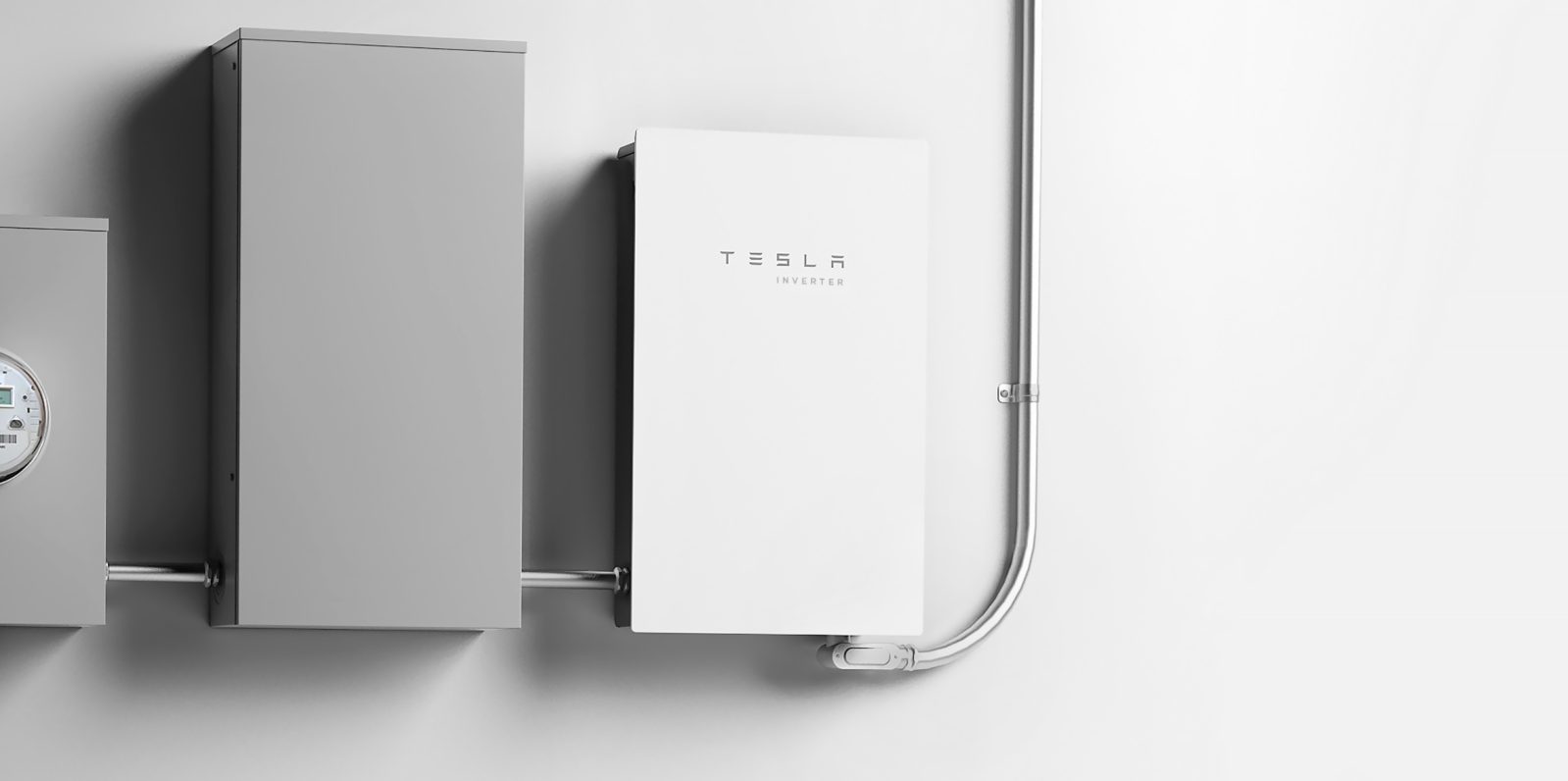
- The order targets the radios inside modern inverters — covering any DC-to-AC unit with Wi-Fi, cellular, or Bluetooth connectivity (micro, string, hybrid, or battery-based) — while a radio-less "dumb" inverter is exempt.
- "Foreign-made" is defined by the Buy American domestic-content test: a product needs more than 65% US content and US manufacture to stay off the list, so a US brand assembling in Vietnam is covered while a Chinese brand with enough US manufacturing can clear the bar.
- New foreign-made models must petition the Department of Homeland Security or the Department of War for Conditional Approval by January 1, 2028, with no stated review timeline; beneficial-ownership disclosure, a component-level bill of materials, and a US-factory-building plan are required.
- US factories are on track to supply just 40% of combined solar and battery demand next year (Intertek CEA), and off-grid and portable vendors — Bluetti, Victron, EG4, Growatt, Renogy, EcoFlow, Redarc — face the steepest disruption from short product cycles and a near-entirely offshore supply chain.
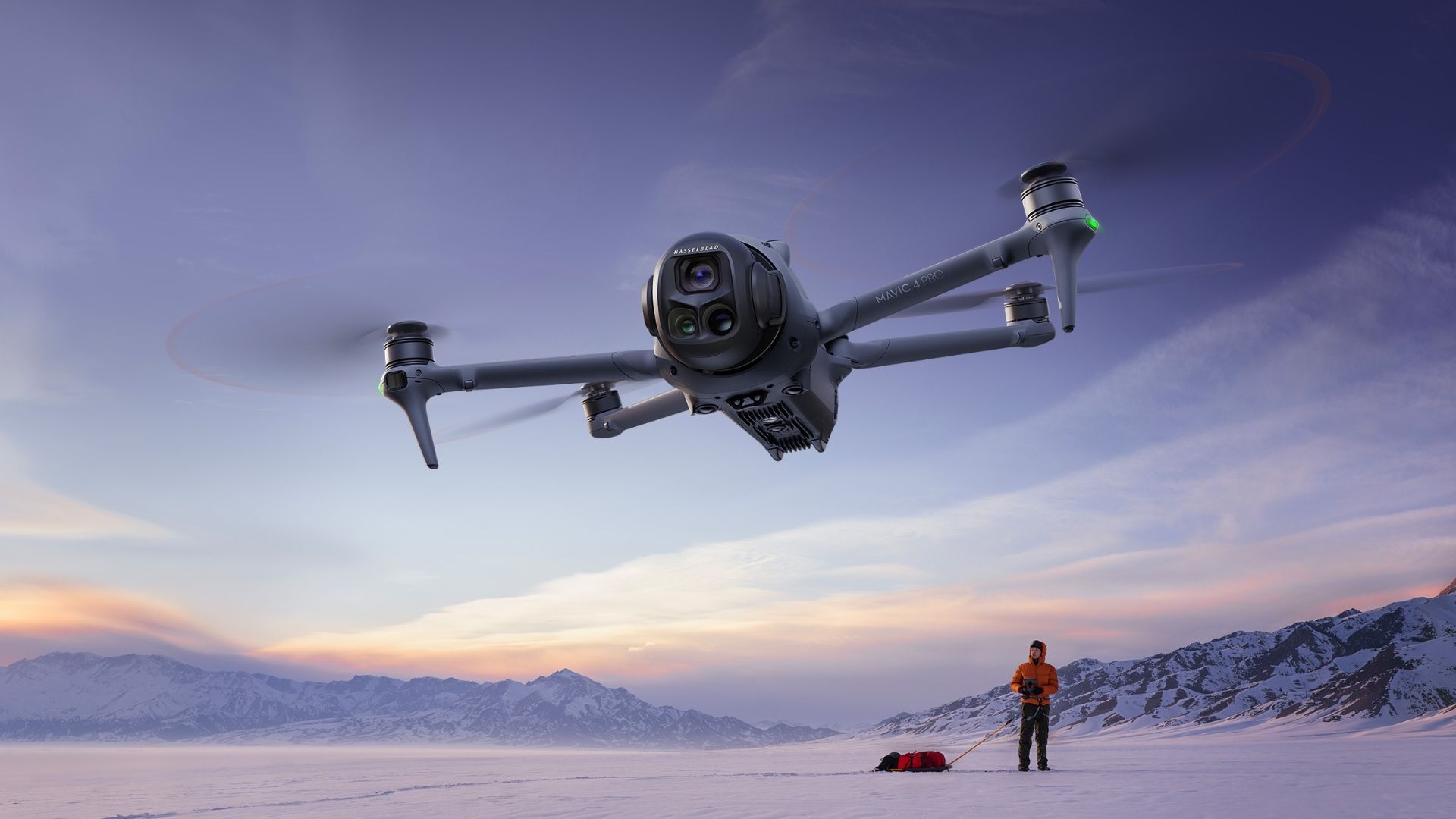
- The action follows a May 2025 Reuters report of undocumented cellular radios found inside Chinese-made inverters — including one case of hardware switched off remotely from China — and a senator-led "kill switch" investigation; it is the fourth such order, after drones (Dec 2025), routers (March 2026), and robots.
- Enphase jumped as much as 17%, SolarEdge around 11%, Sunrun 7%, and Tesla traded flat, though Electrek notes that "domestic winner" means US production, not a US logo — Enphase shut down its Mexico line, SolarEdge only began US-made shipments from Austin and Florida this year, and Tesla builds the Powerwall 3P domestically.
Why it matters: Connected-solar supply chains now have to onshore under the FCC's Covered List, but US factories are on track to meet just 40% of combined solar and battery demand next year (per Intertek CEA). Smaller off-grid vendors — Bluetti, Victron, EG4, Growatt, Renogy, EcoFlow, Redarc — face the most immediate squeeze, while domestic assemblers like Enphase saw shares jump as much as 17% on the news.
Ask SkimNews