Pashinyan Wins Armenia Vote, Falls Short of — SkimNews
Get the Geopolitics newsletter
Daily geopolitics — wars, elections, sanctions, the diplomatic moves that move markets. Free.
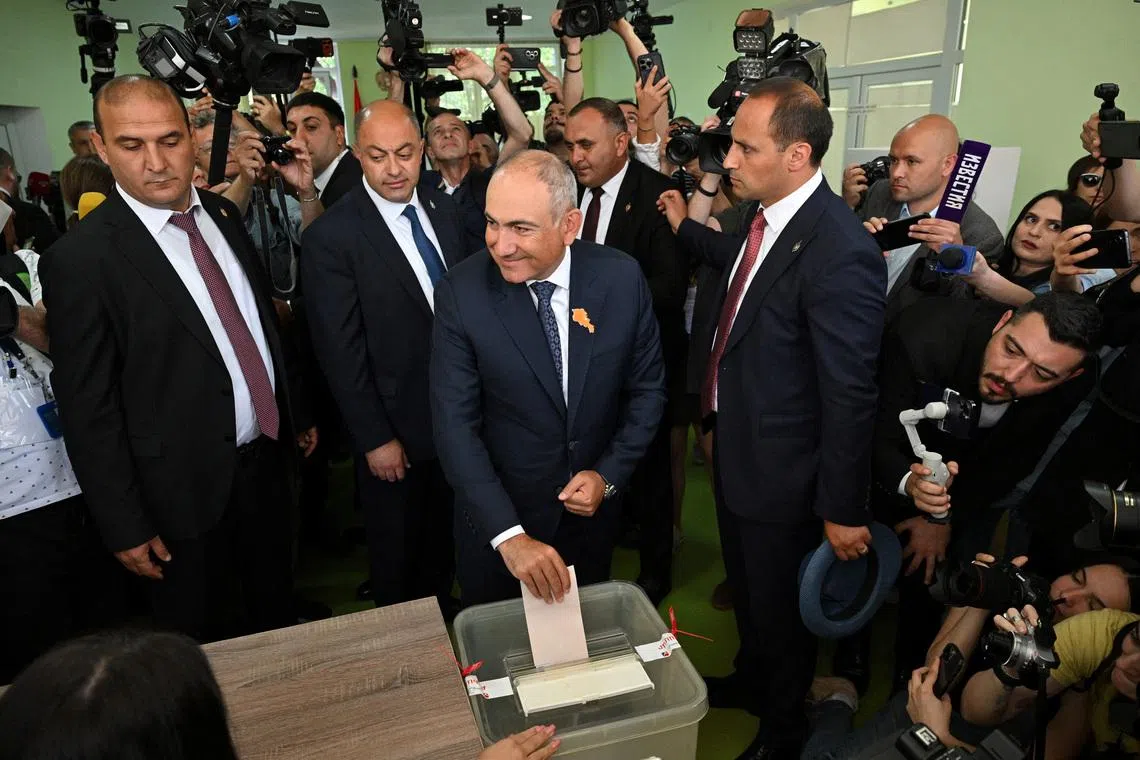
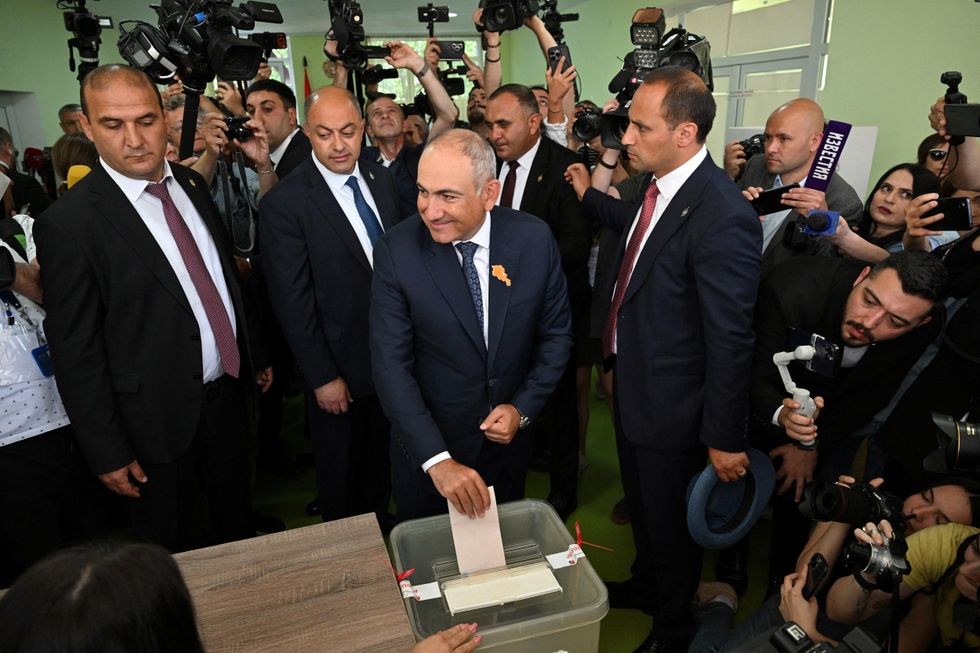
- Civil Contract party retained its parliamentary majority in Armenia's most consequential election since independence 35 years ago but fell short of the two-thirds threshold needed for constitutional reforms
- Strong Armenia and Armenia Alliance blocs will enter the National Assembly as opposition after failing to unseat the ruling party
- Pashinyan's pro-Western pivot followed successive military defeats over Nagorno-Karabakh between 2020-23 and what many Armenians perceived as Russian abandonment during Azerbaijan's offensives
- Donald Trump convened Pashinyan and Azerbaijani President Ilham Aliyev in Washington last August, producing agreement on the Trump Route for International Peace and Prosperity (TRIPP), a transit corridor through southern Armenia connecting Azerbaijan to its Nakhchivan exclave
- Russia remains Armenia's largest import and export market and key energy supplier, making the geopolitical balancing act economically fraught
- The article argues the dominant pro-Russia vs. pro-West framing of the vote oversimplifies Armenia's position and threatens to make it a "battleground" rather than a "bridge"
Why it matters: With Pashinyan's mandate secured, Armenia's next five years will test whether a landlocked state caught between Russia, NATO, Iran, and Turkey can survive as a bridge. The article argues the US gains most by engaging Moscow diplomatically on TRIPP rather than provoking it — because a confrontational posture risks triangulating Russia, Iran, and China against the corridor.
Ask SkimNews