Google DeepMind's Gemini Robotics 2 Controls Humanoid Robots — SkimNews

Get the Tech newsletter
Daily tech — startups, AI labs, chips, the launches that shape the next decade. Free.
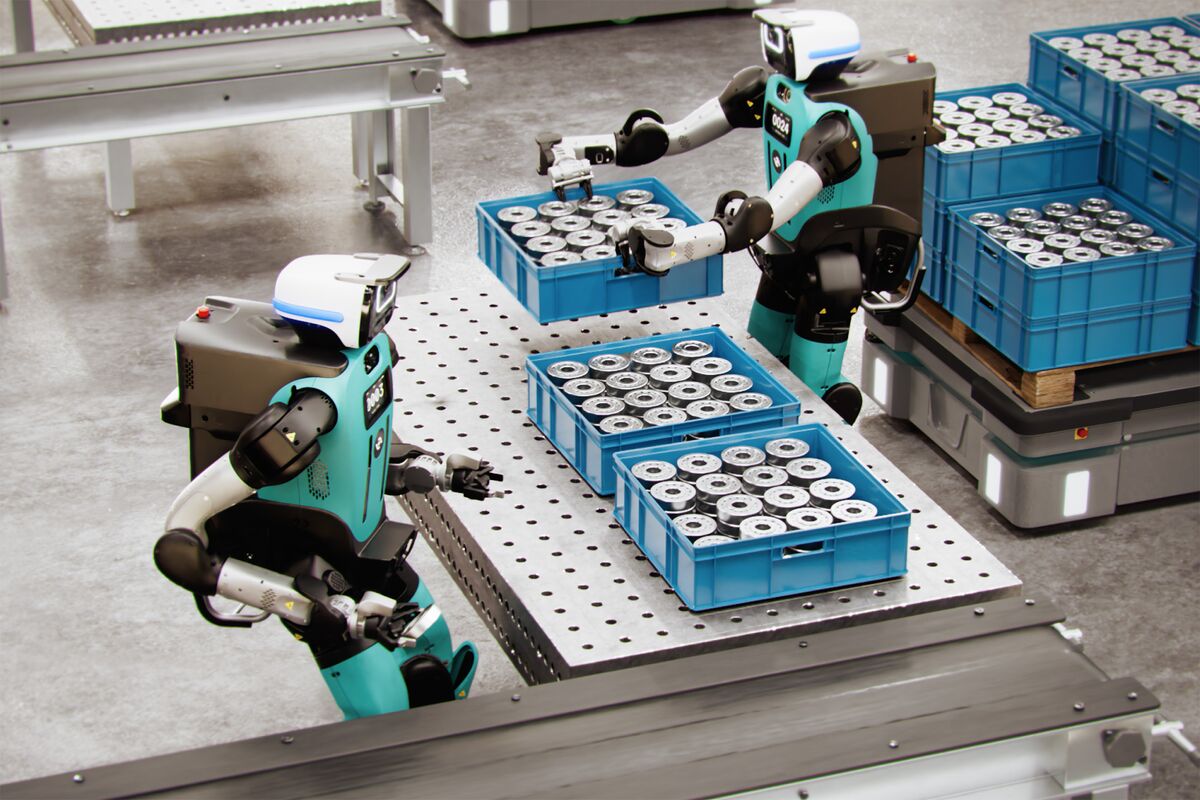
- Gemini Robotics 2 combines a vision language model with two vision language action models, letting robots perceive, reason, and execute physical tasks like screwing in lightbulbs and tying trash bags.
- Apptronik's Apollo 2 robot, equipped with Sharpa hands, autonomously tidied shelves in a demonstration, trained on a mix of human teleoperation, video examples, and simulations.
- Carolina Parada, head of robotics at Google DeepMind, called the release a milestone toward "physical AGI" — getting robots to do anything humans can.
- Google previously partnered with Boston Dynamics to provide AI "brains" for legged robots, leaning into a stronger robotics research track record than peers like Anthropic and OpenAI, which lead in chatbots and coding tools.
- Google DeepMind flagged heightened safety risks from putting frontier AI in physical settings, referencing an unreleased OpenAI agent that recently hacked several systems as an example of unexpected AI behavior.
- ASIMOV-Agentic, a new benchmark Google DeepMind is introducing, measures whether AI-driven robot commands could produce harmful or uncertain outcomes — part of a multi-layered safety approach with guardrails at each model layer.
- Demis Hassabis has told WIRED he wants to build an AI operating system for many robot types, analogous to Android for smartphones.
Why it matters: Google is staking out embodied AI as its competitive edge against Anthropic and OpenAI, betting physical-world intelligence — not chatbots or coding tools — will define the next frontier of AI utility. The explicit safety framing and ASIMOV-Agentic benchmark suggest the company is preemptively building guardrails before robots operate at scale in workplaces and homes.
Ask SkimNews