McHenry: Let Tokenized Securities Models Compete — SkimNews

Get the Finance newsletter
Daily finance — markets, central banks, M&A, the prints that move money. Free.
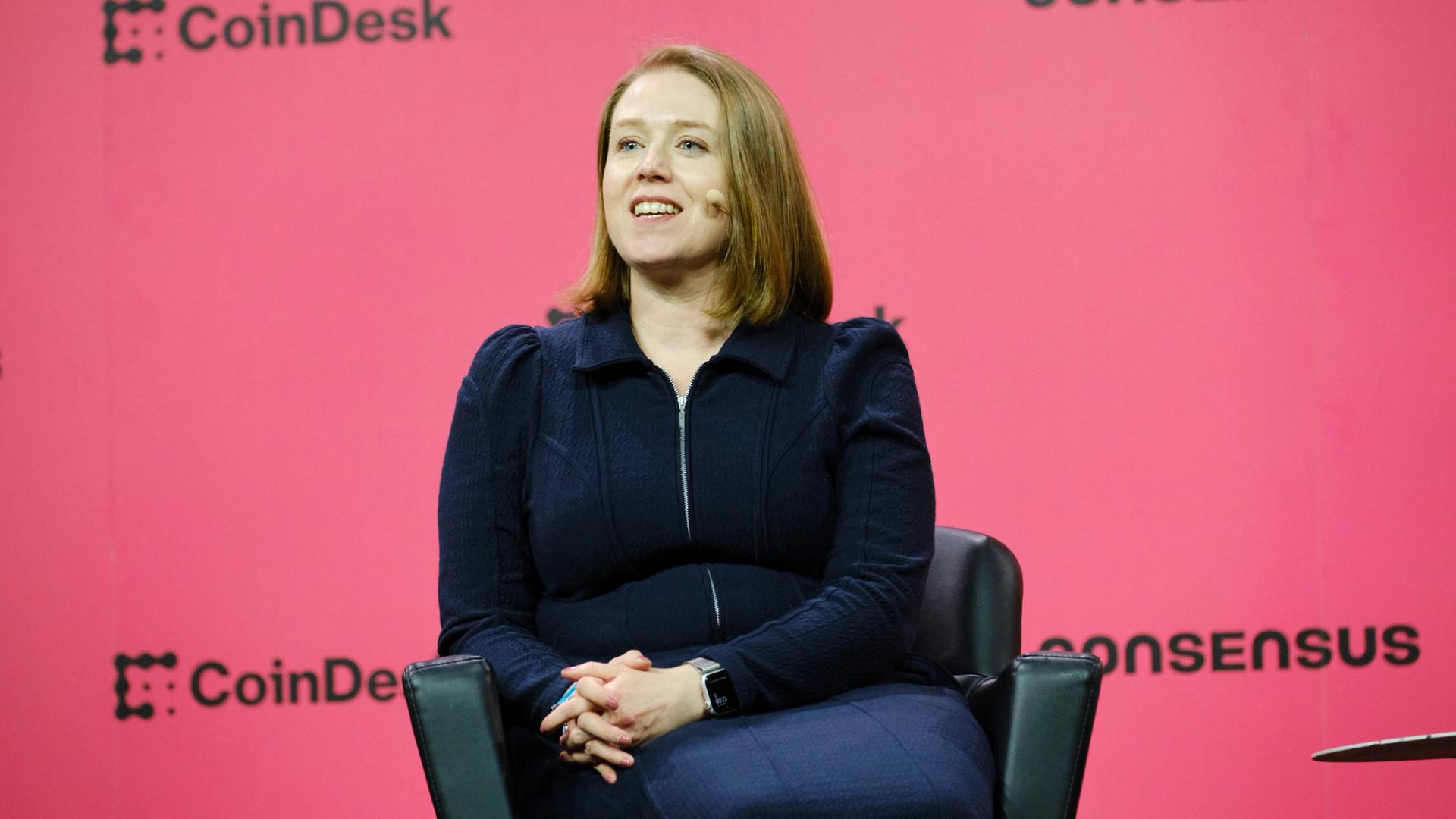
- Patrick McHenry, former Chairman of the House Financial Services Committee and current vice chairman of Ondo Finance's advisory board, published a June 30 CoinDesk opinion piece arguing against a one-size-fits-all regulatory framework for tokenized securities.
- McHenry lays out three competing tokenization models: (1) infrastructure-based, using existing broker-dealers, custodians, DTC and related records; (2) customer-driven products such as notes tracking U.S.-listed stocks or ETFs; and (3) issuer-sponsored tokenization via transfer agents.
- Treating all tokenized securities identically would yield "bad policy and worse products" and put U.S. capital markets at a "competitive disadvantage globally," McHenry warns.
- The piece draws historical parallels — paper certificates to book-entry records, trading floors to electronic markets — to argue tokenization is the next step requiring guardrails, not prohibition.
- McHenry flags two outcomes to avoid: products that "borrow the language of stocks" without disclosing what investors actually hold, and tokenization devolving into "private walled gardens" that narrow competition.
- On the question of investor familiarity, McHenry notes brokerage-held securities, ETFs, depository receipts, structured notes, and direct registration already coexist with non-identical rights, and argues tokenization should follow the same principle of differentiated, disclosed structures.
Why it matters: McHenry is no longer a neutral observer — he's writing from inside Ondo Finance, a company with direct stakes in how tokenized products are classified — giving his anti-monopoly framing a credentialed but interested voice just as U.S. regulators wrestle with tokenization rules. For platforms operating in the customer-driven or issuer-sponsored lanes, his argument that different models can compete on substance lowers the odds that Washington forces them into legacy broker-dealer infrastructure or shuts down non-DTC pathways.
Ask SkimNews